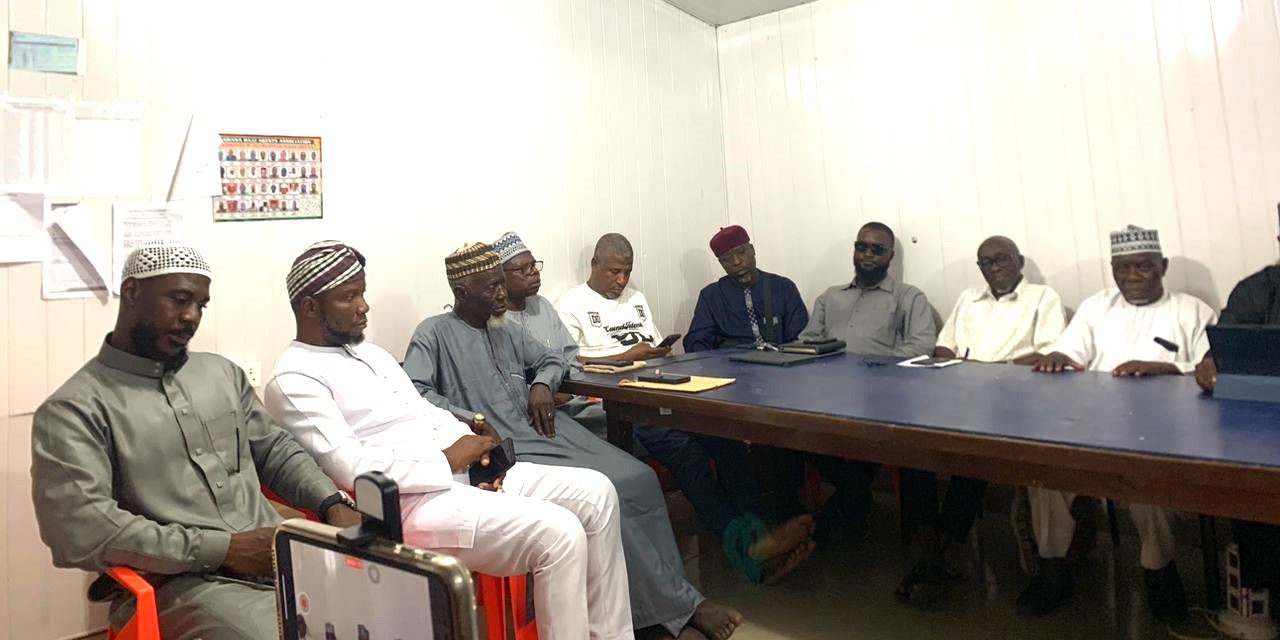

The Ghana Hajj Agents Association is calling for immediate reforms and the engagement of more competent hands to manage hajj operations in the country.
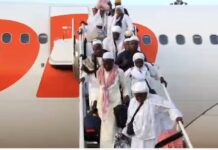
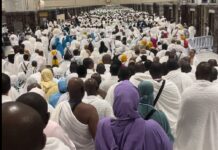
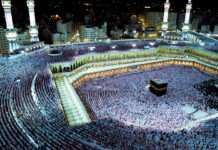
The call follows the recent challenges faced by Ghanaian pilgrims who embarked on the holy journey to the kingdom of Saudi Arabia as part of the religious requirements for able Muslims.
In a press conference over the weekend, the Hajj Agents Association whilst commending President John Dramani Mahama for providing every support the Hajj task force needed to guarantee a successful pilgrimage, noted that, his objective did not come into fruition due to the numerous challenges some pilgrims faced during the ritual of cleansing.
General Secretary of the Association, Alhaji Mohammed Sadis Zakaria, speaking at the press conference mentioned that measures should be put in place to ensure such issues do not recur.

‘Let us speak with honesty: this year’s Hajj operations were not without flaws. There were notable logistical inefficiencies, communication lapses, and emergency response challenges. While the interim task force showed commitment, good intentions are not enough. Ghana’s Hajj operations need systemic reform and visionary leadership,” he suggested.
The agents commended President John Dramani Mahama, for fulfilling his campaign promise by reducing the Hajj fare from GH¢75,000 to GH¢62,000—a 13.33% decrease. This historic reduction, they stressed, brought relief to thousands of pilgrims and restored hope in Hajj affordability for the Ghanaian Muslim community.

Among other things, the Hajj Agents Association who are a major pillar in hajj operations in Ghana are demanding the following:
1.Transparency in all Hajj-related contracts and expenditures.
2.Early announcement of payment timelines—at least 4–6 months in advance.
3.An increased Hajj quota—targeting 10,000 pilgrims to meet growing demand.
4.Staffing based on loyalty and competence, especially for field operations.
5.Compact and centralized accommodation for Ghanaian pilgrims in Mecca.
6.A review of Mina tent allocations, ensuring safety and accessibility.
7.Improved Arafat logistics, sanitation, and food distribution.
8.Active consultation with stakeholders—particularly GHAA, agents, medical professionals, and civil society.