
A recent study published in SN Business & Economics (2025) reveals that Ghanaians are more likely to buy local rice when they’re passionate about it and it’s easily accessible.
The research explores the complex relationship between passion and purchase behavior, providing valuable insights for marketers and policymakers.
When Love Meets Local Rice
Ghanaians who have a genuine interest and enthusiasm for local rice are more likely to purchase it. This harmonious passion drives practical need, convenience, and purchase behavior.
Consumers who appreciate the taste, nutritional value, and cultural significance of local rice are more likely to seek it out, demonstrating a strong emotional connection with the product. For instance, a consumer who grew up eating local rice may develop a strong attachment to it, driving their loyalty and repeat purchases.
Convenience is the Key to the Local Rice Bowl
Convenience emerges as a critical factor in translating passion into actual purchasing behavior. Ghanaians want local rice that’s easily available, affordable, and accessible. Marketers can capitalize on this by making local rice more convenient to buy and consume, leveraging e-commerce platforms, and improving distribution channels to reach a wider audience.
For example, partnering with local vendors and supermarkets can increase the visibility and availability of local rice, making it more appealing to consumers.
A Recipe for Ghana’s Growth
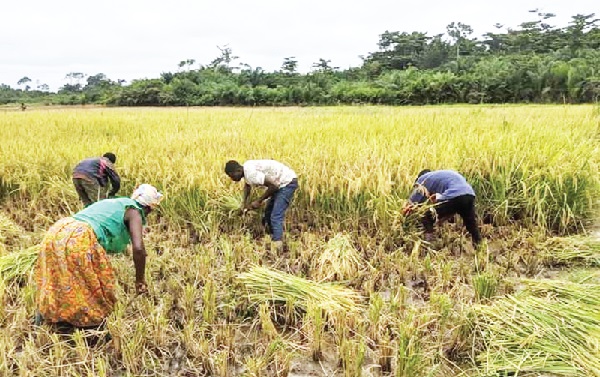
The study’s findings have significant implications for Ghana’s rice industry, a critical component of the country’s agricultural sector. By promoting harmonious passion and convenience, stakeholders can drive consumer engagement, loyalty, and purchase behavior, contributing to the growth and sustainability of the rice industry.
This, in turn, can support local farmers, create employment opportunities, and stimulate economic growth. According to the Ghana Statistical Service, the rice industry provides employment for over 500,000 people, making it a vital sector for the country’s economy.
Marketing Magic
To capitalize on the findings, marketers should develop targeted strategies that prioritize convenience and foster harmonious passion for local rice brands. Emphasizing practical benefits, such as availability, affordability, and nutritional value, in promotional campaigns can help increase consumer awareness and drive sales.
Designing and delivering seamless shopping experiences that cater to diverse consumer needs and preferences is also crucial. Leveraging social media and influencer marketing can promote local rice and create a buzz around the product. Collaborating with local farmers and vendors can increase the visibility and availability of local rice.
Policy Prescriptions
Policymakers can support initiatives that promote local rice consumption, investing in infrastructure development and encouraging public-private partnerships.
Investing in modern storage facilities and transportation networks can reduce post-harvest losses and improve the efficiency of the supply chain. Providing incentives for local farmers to increase production and productivity can also help meet growing demand. Encouraging public-private partnerships can promote sustainable consumption practices and support the growth of the rice industry.
Harvesting Success
The study provides valuable insights into the complex dynamics governing consumer behavior in Ghana’s local rice market. By understanding the role of passion and convenience, stakeholders can develop effective strategies to drive consumer engagement, loyalty, and purchase behavior, ultimately contributing to the growth and sustainability of the rice industry.
As Ghana seeks to promote sustainable consumption practices, this research offers a timely and valuable contribution to the development of the rice industry, supporting local farmers and the economy.
Dr. Ebenezer Arthur Duncan
The writer is a lecturer at University of Professional Studies, Marketing Department
Journal Article Information
Affran, S., Duncan, E. A., & Quao, B. (2025). From passion to purchase: unpacking the mediating effects of practical need and convenience in the context of local rice consumption. SN Business & Economics, 5(9), 117.