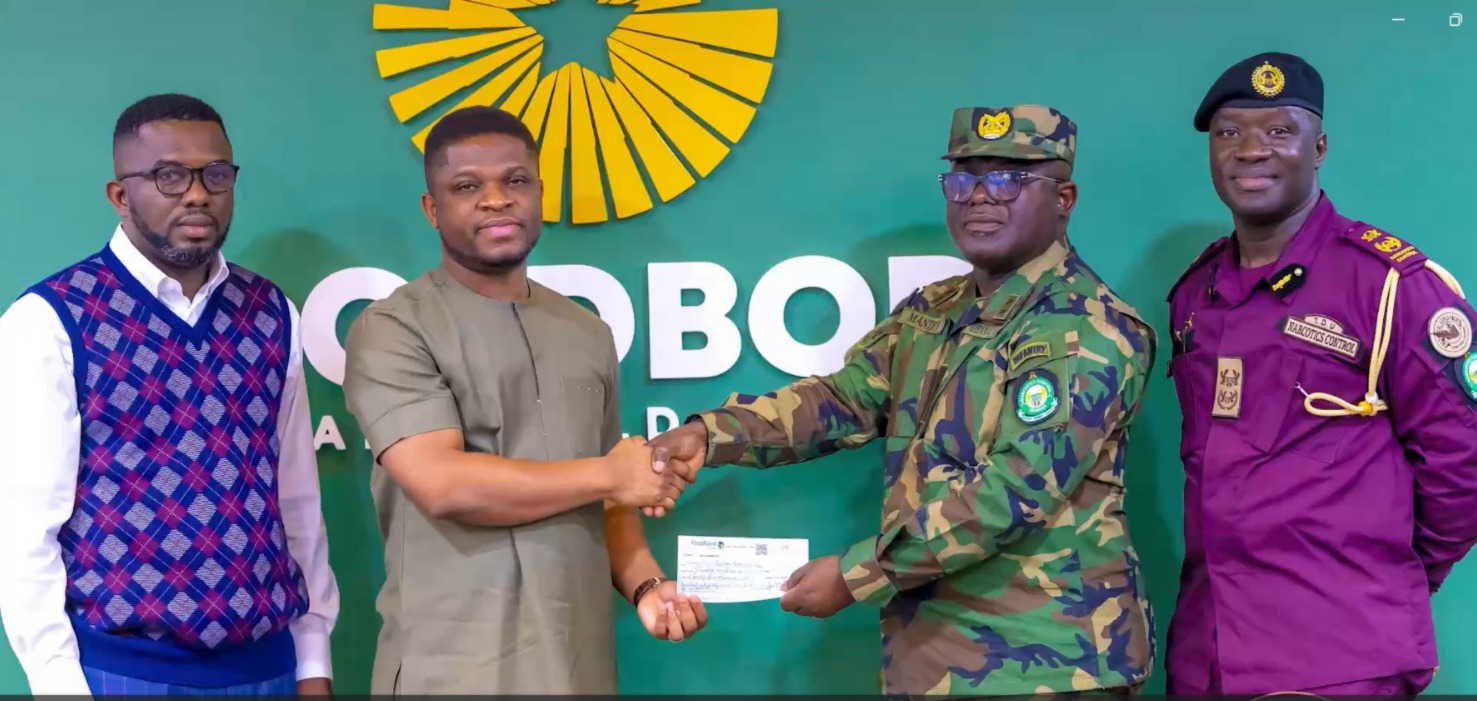

The Ghana Gold Board (GoldBod) has presented GH¢12,645,862.48 to the Narcotics Control Commission (NACOC), representing 50 percent of the proceeds from the sale of 17 gold bars seized from illicit gold traders in 2025.
The presentation underscores GoldBod’s commitment to strengthening inter-agency collaboration in the fight against illegal gold trading and rewarding intelligence-led operations that protect Ghana’s mineral resources and safeguard the integrity of the country’s gold sector.
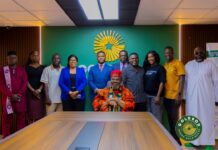
Speaking at the presentation ceremony on Wednesday, July 15, 2026, at the GoldBod Head office, the Chief Executive Officer of GoldBod, Sammy Gyamfi, Esq., explained that the payment was made in accordance with the Board’s policy of rewarding individuals and institutions that provide credible intelligence leading to the arrest of illegal gold traders and the recovery of unlawfully traded gold.
According to Mr. Gyamfi, GoldBod’s policy provides that an informant whose intelligence leads to a successful operation is entitled to 10 percent of the value of the recovered gold.
However, the Board has expanded the incentive framework to recognise not only informants but also the officers and institutions that undertake the often-dangerous task of executing such operations.
He disclosed that the Board of Directors of GoldBod have approved an additional 20 percent reward for officers directly involved in the intelligence gathering and enforcement operation, in recognition of the risks they undertake in protecting the nation’s mineral wealth.
Mr. Gyamfi further announced that NACOC, as the institution that deployed its personnel, logistics and operational resources for the successful operation, was also allocated 20 percent of the proceeds.
The combined allocation brings NACOC’s total reward to 50 percent of the proceeds realised from the seized gold.
The GoldBod CEO revealed that following assay and valuation, the 17 gold bars were valued at around GH¢25 million, resulting in a reward of GH¢12,645,862.48 for NACOC.
He noted that the incentive scheme reflects GoldBod’s determination to encourage intelligence sharing and deepen collaboration with state security institutions in combating illicit gold trading, smuggling and other offences within the gold value chain.
Receiving the cheque on behalf of the Commission, Director-General of NACOC, Major General Maxwell Obuba Mantey, expressed appreciation to GoldBod for honouring its commitment to reward the successful operation.
He commended the Board for demonstrating integrity and accountability by fulfilling its pledge, describing the gesture as a significant motivation for law enforcement agencies engaged in protecting Ghana’s strategic resources.
Major General Mantey disclosed that the operation was not without danger, revealing that the principal informant, an officer of the Commission, faced serious threats after providing intelligence that led to the arrest and seizure.
According to him, the gravity of the threats necessitated the deployment of military protection to ensure the officer’s safety.
He praised the courage and professionalism of the officers involved, noting that although combating illegal gold trading does not fall squarely within NACOC’s primary mandate, the Commission remains committed to supporting GoldBod whenever national interests are at stake.
Major General Mantey reaffirmed NACOC’s readiness to continue collaborating with GoldBod and other state institutions to combat illicit activities that deprive the country of much-needed revenue.
The presentation marks another milestone in GoldBod’s ongoing efforts to strengthen enforcement against illegal gold trading through strategic partnerships with security agencies and intelligence institutions.
By rewarding credible intelligence and successful enforcement actions, GoldBod aims to encourage greater public participation in exposing illicit gold trading while reinforcing Government’s broader agenda of formalising Ghana’s gold sector, protecting national mineral resources, and ensuring that the country’s gold wealth contributes meaningfully to economic growth and development.
By Evelyn Tengmaa