
The Narcotics Control Commission (NACOC) says the absence of a rehabilitation centre in the Western Region is severely undermining efforts to combat drug addiction despite growing numbers of users expressing a willingness to seek treatment.
According to the Commission, although it continues to intensify public education and anti-drug campaigns across the region, the lack of a treatment facility leaves many recovering addicts without the support they need to begin rehabilitation.
Speaking to Connect FM in an interview on June 29, Senior Narcotics Control Officer, Godlove Vanden-Bossche, said all rehabilitation centres currently serving the southern sector are located in the Ashanti, Greater Accra and Central regions, making access to treatment difficult for residents of the Western Region.
Mr. Vanden-Bossche made the remarks after NACOC joined the Food and Drugs Authority (FDA) to educate students at St. John’s Senior High School in Sekondi as part of activities marking the International Day Against Drug abuse and Illicit Trafficking.
He disclosed that the Commission has undertaken several outreach programmes in drug-prone communities, where many users voluntarily approached officers seeking assistance to overcome addiction.
“In recent months, we have conducted several outreach programmes in ghettos across the region, including Amanful Main Spain in Takoradi. During these engagements, a number of drug users came to us asking for help because they genuinely wanted to stop using drugs,” he said.
“The biggest challenge, however, is where to take them for treatment. As a Commission, we can identify and support them, but without a rehabilitation centre in the Western Region, our hands are tied. The nearest treatment facilities are in the Ashanti, Greater Accra and Central regions. If we had even one rehabilitation centre here, we could immediately refer these individuals to begin their recovery journey. This remains one of the greatest obstacles to our work in the region,” Mr. Vanden-Bossche added.
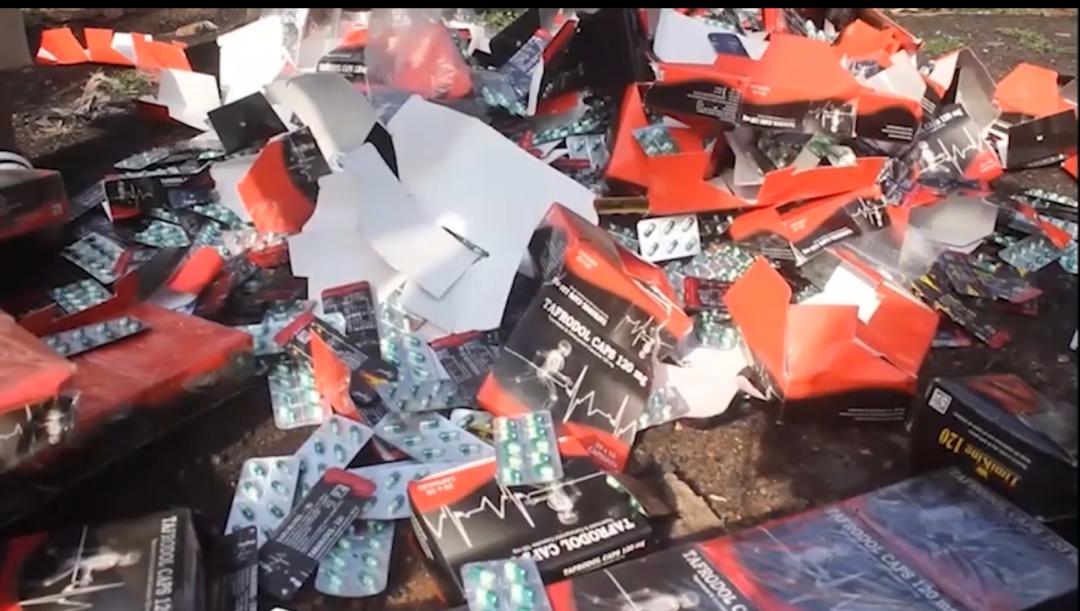
The Senior Narcotics Control Officer also expressed concern over the increasing abuse of prescription medicines, noting that many users are shifting away from traditional illicit drugs to pharmaceutical substances.
“We are now seeing a growing trend where people are moving from the traditional narcotic substances to the abuse of prescription medicines. That is why we are collaborating with the Food and Drugs Authority to educate the public on the dangers and harmful effects of misusing these substances,” he stated.
The Western Regional Director of the Food and Drugs Authority (FDA), John Laryea Odai Tettey, also stressed the need for sustained public education to reduce the demand for illicit drugs.
According to him, traffickers continue to devise illegal routes to smuggle drugs into the country, making it difficult for regulators to intercept every consignment.
“Those involved in drug trafficking deliberately avoid approved ports, harbours, and border entry points because they know security and regulatory agencies are stationed there. Instead, they resort to unapproved routes to move these substances,” he explained.
“This is why public education remains one of our strongest weapons in the fight against illicit drugs. We must continue to inform, especially the youth about the devastating health and social consequences of drug abuse. Young people remain the primary target of drug traffickers, and protecting them requires the collective efforts of all,” Mr. Tettey added.
By Eric Nana Gyetuah