
Poor parental care and indiscipline have been identified as major factors contributing to the surge in drug abuse cases among the youth in the Savannah Region.
Despite efforts by local authorities and other stakeholders in the region, the effects continue to grow, thus raising concerns.
In the Savannah Region, the increasing use of substances such as marijuana, tramadol, opioids also known as “Wonim Red” among young people have threatened their education, mental health, productivity, and future.
The Impact of the addiction on Education and Mental Health of Young People in the region has been huge, which according to stakeholders can affect the human resource development within the area.
“The rate at which the youth use the drugs is alarming. Sincerely, from the bottom of my heart, I want the youth to know that no drug addict has ever progressed in life and they shouldn’t destroy themselves,” a community leader said.

Recent reports indicate growing concern among traditional leaders, educators, health professionals, and security agencies over the rise in substance abuse in communities such as Damongo, Bole, and surrounding districts.
Illegal mining activities in the Bole area for instance have been blamed for the high intake of drugs.
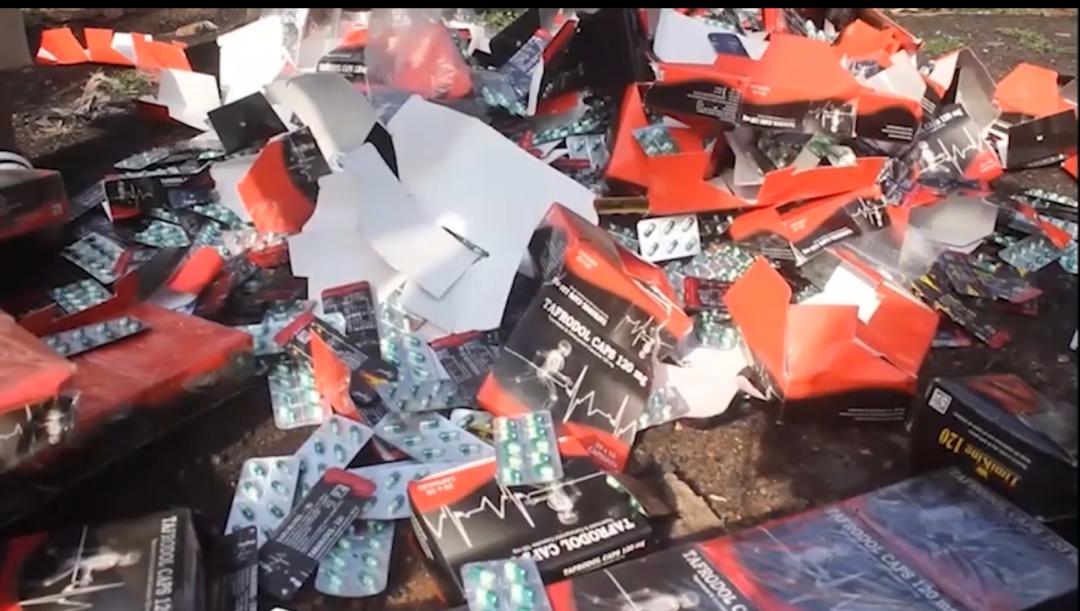
In 2025, the Narcotics Control Commission (NACOC) recorded 217 arrests, 165 prosecutions, and seized over 25.3 million tramadol tablets and intercepted an additional 20.1 million tablets by April 2026.
To curb this menace, NACCOC, has over the period organized sensitization programmes in schools and communities to educate young people about the dangers of substance abuse.
To effectively reduce drug abuse among the youth in the Savannah Region, District Chief Executive for Bole, Abdulai Mahamudu believes, stakeholder engagement is key.
“We are on the alert and internally we have devised strategies to deal with it. My security through DISEC has taken some steps including cracking the whip,” he assured.
For Tingawura Sampson Abudu, parents must take responsibility for the future of their children.
Addressing this challenge, will require coordinated action involving government, communities, schools, parents, healthcare professionals, and the youth themselves.
Through sustained education, effective law enforcement, improved mental health services, and strong community support, the region can reduce addiction and help young people achieve their full potential.
Interventions
The establishment of the Assa Foundation by the Council of State member of the Savannah region, Tingawura Sampson Abudu has been instrumental in engaging the youth across the region.
The Foundation has since organized sensitization engagement with school children and other community groups.