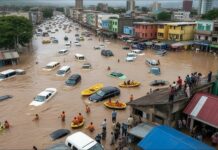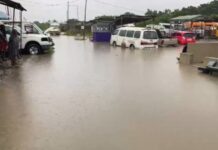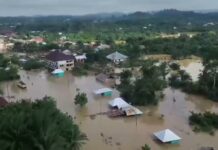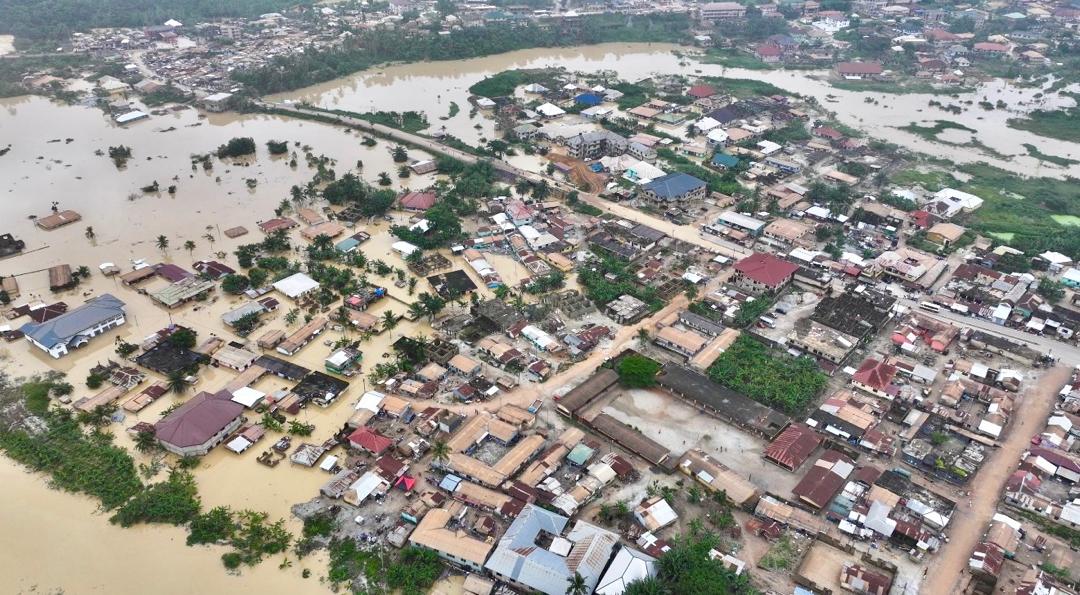

When the floodwaters recede, they leave behind more than destroyed homes and broken furniture.
For many survivors, the deepest damage is invisible fear, anxiety and memories that refuse to go away.
Many of the victims are experiencing trauma as they rebuild after the floods. And charlotte Akolatse is among the victims.
For Charlotte, every sound of heavy rain now brings back the night that changed her life forever.
The devastating floods that swept through parts of Accra on June 29 forced her and her family to flee for safety, leaving behind everything they had worked for.
Today, they are trying to rebuild their lives from a temporary residence. Although grateful to be alive, Charlotte says the experience continues to haunt her.
She struggles to sleep whenever it rains and constantly relives the terrifying moments when floodwaters surrounded her home.
“We have lived at the place for over 12 years, and I have never experienced such a thing. We were home and saw the water coming through the door into the hall. As we clean, the more it comes. So we decided to wait and see. Then it started coming through the kitchen and then the toilet. It was nasty. I didn’t know what to do. I was scared and confused at the same time. All I was praying for is for us to come out alive’’. she narrated.
Charlotte’s story is one of hundreds emerging after the deadly floods that displaced families, destroyed livelihoods and claimed lives.
For 80-year-old Augustus Tsorgali, the pain is written across his face as he walks through what remains of his home.
He had only moments to escape as floodwaters swallowed everything in their path. There was no time to gather valuables, no opportunity to save a lifetime of possessions.
Today, only one family portrait remains, a weathered photograph that survived where almost everything else was washed away.
“It was raining heavily. And one of my daughters came out and saw that it was coming into the house. And within a matter of 10 minutes, the whole house was flooded. We didn’t pick a pin. It was very difficult and very devastating. I wish I can return home but the level of destruction is huge. I can barely sleep. I have sleepless nights. Sometimes I sleep just 2 to 3 hours and I am up thinking,’’ he lamented.
Now living temporarily with a friend, Augustus Tsorgali, has been separated from his two daughters, who are also relying on the kindness of others for shelter.
He has experienced flooding before, but never on this scale. At his age, the thought of rebuilding a home and replacing decades of belongings feels almost impossible.
“At my age, looking at my house submerged in water and all my documents gone, even land title deeds all are gone, memorable pictures that one day when I am no more it can be used are all gone. I feel very sad. It is said that God uses certain things to save you from worst things but this situation, I am confused because I don’t know what can happen to me worse than this if not death,’’ he said.
For Ama Musa, the disaster has left both emotional and financial scars. Her household items, clothing and essential belongings were destroyed by the flood.
Ama and her children now depend entirely on the generosity of friends as they search for a way forward.
Beyond the physical losses, Ama says the uncertainty about where the family will live and how they will recover has become an overwhelming burden.
‘‘Everything is gone. Even utensils to cook are all gone. My children and I sleep at a church house close by. I struggled to even come out during the flood. It was just by Grace,” she said.
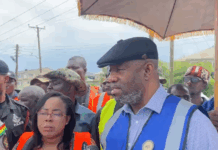
Clinical psychologists Dr Derick Oppong says these emotional reactions are common after disasters.
According to him, Survivors often experience nightmares, anxiety, panic attacks, depression and symptoms associated with post-traumatic stress disorder, especially when they have witnessed life-threatening events or suffered significant losses.
“What this thing does is that it puts the individual and their immediate families in a state of total limbo where they don’t know anything about the future and it is not a comfortable place to be. So the impact is not just psychological, but it can lead down to a breakdown of family structure. Trauma is a highly personal experience and so I disagree with anybody who says it’s an overreaction. No these things even kill people before their time,’’ he explained.
While relief efforts often focus on food, clothing and shelter, psychologists say emotional recovery deserves equal attention.
For Charlotte, Augustus and Ama, the flood may be over. But every rainfall is now a reminder of the night their lives changed. Their homes can be rebuilt. Their furniture can be replaced. Yet the emotional wounds left by the flood may take far longer to heal.
By Sarah Apenkroh