
The Wildlife Division of the Forestry Commission is concerned over a surge in illegal hunting during the official closed season.
Despite strict laws, the practice continues to threaten Ghana’s vulnerable animal populations, leaving a tragic trail of orphaned wildlife in its wake.
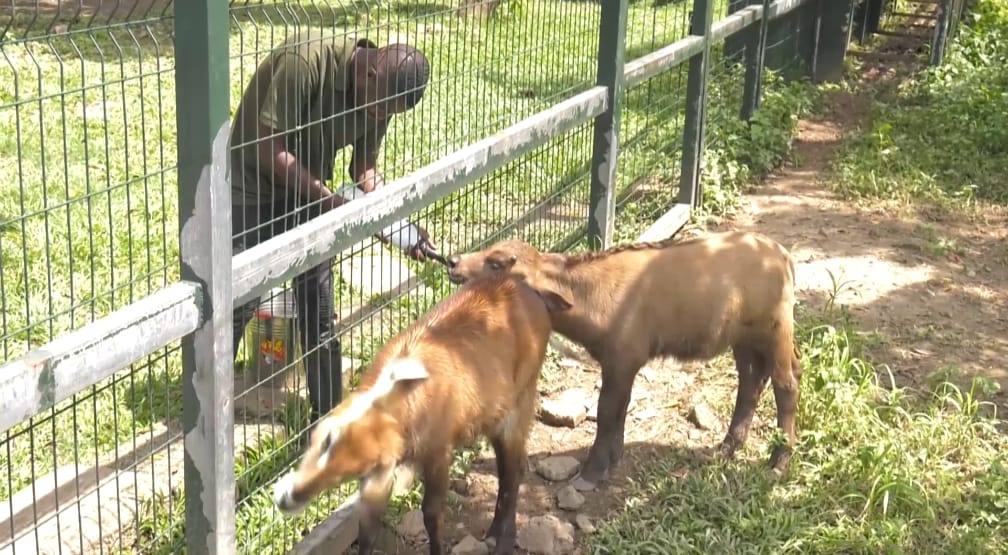
The Kumasi Zoo has recently received a young buffalo and waterbuck. The animals are the latest victims of illegal hunting rescued after their mothers were killed, even during the government-mandated closed season.

“We have to follow our wildlife laws to protect biodiversity. Indiscriminate killing threatens to eradicate these vital species, undermining the crucial role they play in our nation’s health and heritage,” Manager of Kumasi Zoo, Dr Meyir Ziekah said.

Under the Wildlife Resources Management Act, the closed season is a period designed to give animal populations a chance to breed and replenish, undisturbed.
Hunting during this time is a criminal offense, with severe penalties aimed at halting the rapid depletion of Ghana’s natural heritage.
“During this period, most wildlife animals are either pregnant or taking care of their young ones. So, for such an act to happen during this season, it means someone may have killed the mother. The Wildlife Resources Management Act gives us the power to arrest and prosecute people. And they could get a punishment of a penalty unit of 250 to 500 units or imprisonment of 12 to 24 months,” Dr Ziekah emphasized.

But the care for these orphan animals is intensive and expensive, requiring specialized milk formulas, medications, and round-the-clock monitoring, a financial burden that stretches the Kumasi zoo’s limited resources.
“The daily cost of providing specialized care for these young animals is 800 cedis per day. We want to appeal to individuals to come and adopt these young animals to help in their upkeep. This is not to say that we can’t take care of them, but it is a call to people to help in the conservation of biodiversity,” Dr Ziekah noted.
While these rescues add to the zoo’s collection, the message from wildlife authorities is that, the survival of these species shouldn’t depend on last-minute rescues. It depends on prevention and a shared public responsibility to protect Ghana’s wildlife for generations to come.
The Wildlife Division confirms it is ramping up both public education and enforcement patrols to ensure the closed season is respected.