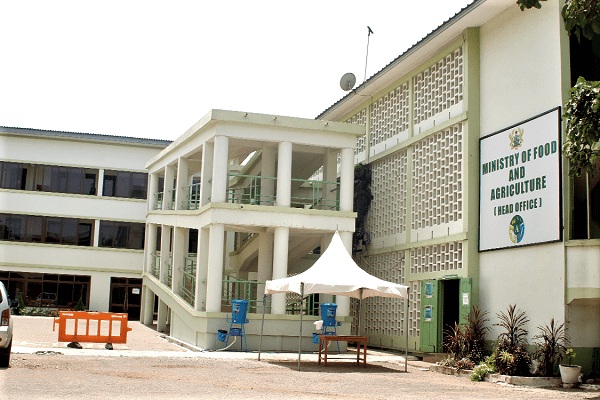

Ghana’s agricultural sector is set for a major boost as the Ministry of Food and Agriculture (MoFA) has announced the launch of a 5-billion-dollar project to produce fertilizer using excess gas from the Atuabo gas plant.
The initiative is expected to create over 2,000 direct jobs and unlock new petrochemical value chains across the country.
Ghana has long relied on imported fertiliser but access to the commodity has been severely hampered by the depreciation of the local currency.
The current government has reaffirmed its commitment to industrialisation aiming to reduce imports and boost domestic producti on of key commodities. The announcement of a new fertiliser plant aligns with its broader import substitution agenda.
Speaking to 3Business during a courtesy call on the Ministry of Agriculture, Reverend Mawuli Benson, CEO and local partner of Al-Jadad, the project implementers confirmed that funding is in place and implementation is ready to begin.
He said, “They are investing five billion dollars and that covers other areas like the food sector.”
According to him, the project had already been discussed with the Qatari ambassador.
“Earlier in the morning we were at the Qatarian Embassy to meet the ambassador. He’s pretty much excited about this whole prospect” he said.
He added that one of the key highlights was Qatar’s interest in Ghana’s food production.
“One of the highlights of this meeting is the announcement from our chairman that the Qatarian government is interested in investing heavily in food production in Ghana for export to Qatar. That is very key”.
Meanwhile, Agriculture Minister Dr. Eric Opoku expressed optimism about the second phase of the project which will see Ghana exporting food produced to Qatar.
He emphasised that Ghana is prepared to meet this demand.
“If we are sure of demand for food from Qatar, we have the arrangement under which we can produce and export to Qatar. We’ll have a lot of value going into agriculture especially now that we are transitioning from rainfed agriculture to irrigation agriculture to ensure all year-round production.”
The minister added, “We can produce in sufficient quantities to support you.”
The project is seen as a significant step toward positioning Ghana as both a fertiliser producer and a reliable food exporter, while reducing the country’s vulnerability to external supply shocks.
By Esinu Adza, 3BUSINESS