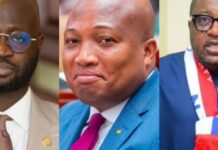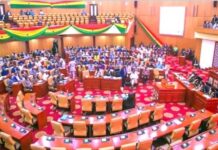

The Executive Director of Parliamentary Network Africa, Sammy Obeng, has weighed in on the motion filed by some Members of Parliament seeking to halt the vetting of the Chief Justice nominee, Paul Baffoe-Bonnie until all related court actions are resolved.
Speaking on the matter on the midday news on 3FM, he said while MPs have the constitutional right to file such a motion, Parliament as an institution also has a mandate that must not be stalled because of external legal processes.
“It is within the rights of the Members of Parliament who have filed the motion,” he said on October 29.
“But for a co-equal branch of government like Parliament, is it appropriate that the hands of Parliament are stayed pending issues happening in different courts… with no clear timelines?”
He noted that the Appointments Committee is already seized with the matter and must carry out its responsibility unless Parliament itself decides otherwise.
“The Parliamentary Committee on Appointments has the responsibility to go through the vetting process and ensure that what needs to be done gets done.”
Obeng said the call to freeze proceedings because of court actions raises a constitutional dilemma, especially when those suits are separate and could take an unknown amount of time.
“The motion asks that the process be ceased until all actions, including the one in the Human Rights Court, get finished with. That is a tricky one,” he said. “I look forward to how Parliament would treat this particular motion.”
He emphasized that judicial independence is important, but so is Parliament exercising its mandate.
“Judicial independence is one that cannot be toyed with. However, Parliament as an arm of government has a responsibility to discharge its duties.”
Sammy Obeng said the MPs who filed the motion must be allowed to be heard, but they must also respect the internal rules of Parliament.
“If they file a motion, the motion must go through processes as enshrined in the standing orders including admissibility.”
He explained that even a properly filed motion does not automatically stop proceedings until the House decides.
“Once you meet the admissibility test, there is also debate, there is voting, and numbers must count. If you want to come to equity, you must come with clean hands,” he said.
“If the outcomes favour you, fine; if not, you take it as it is.”
Obeng concluded that the debate is legitimate, but only Parliament itself can determine whether the vetting stops or proceeds.