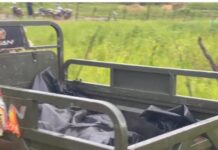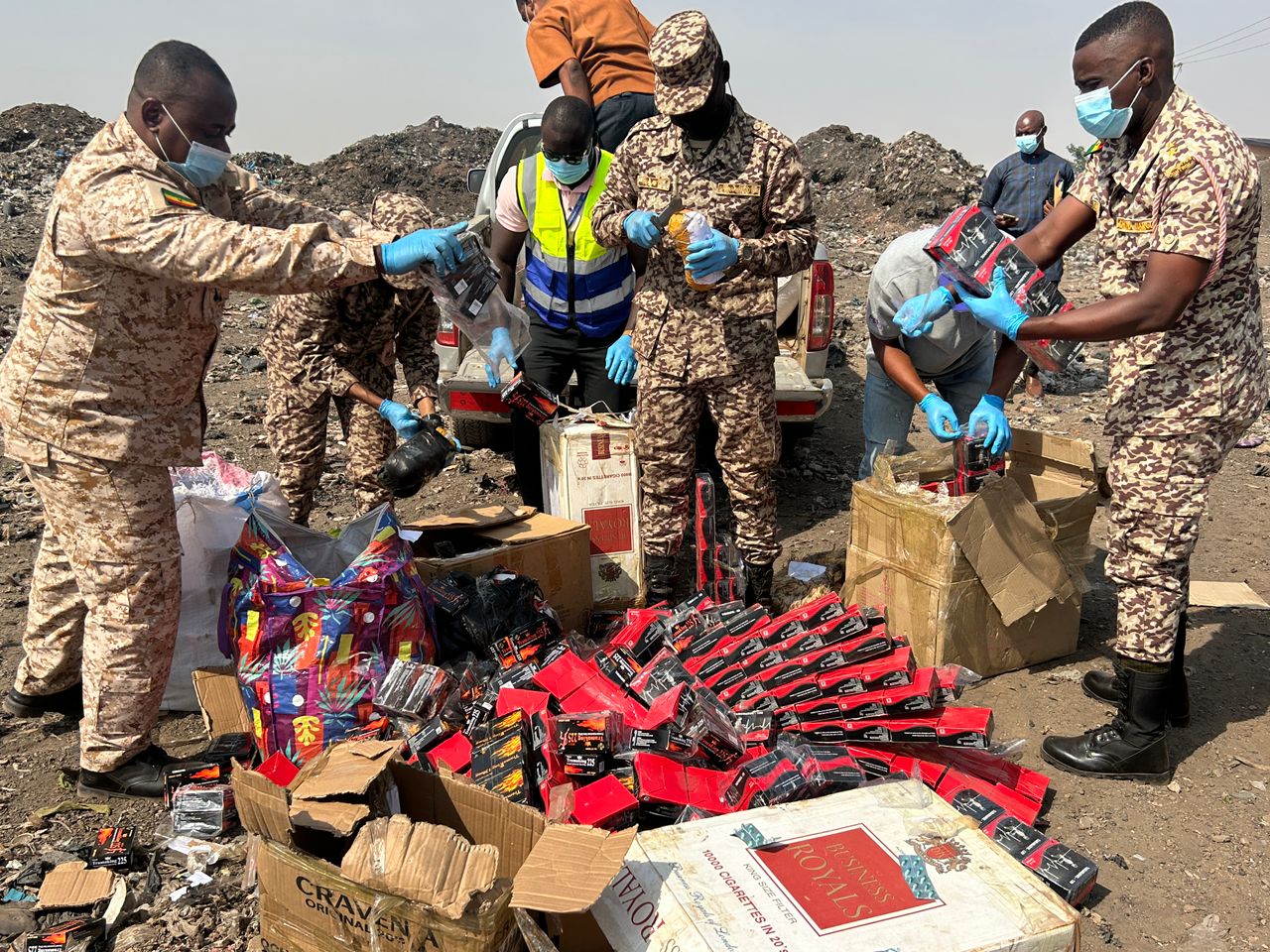

The Northern Regional Command of the Narcotics Control Commission (NACOC) today carried out a Drug Destruction Exercise at the Gbalahi Field in Tamale as part of efforts to curb illicit drug trafficking and abuse in the region.
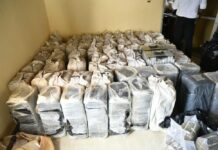
The exercise involved the destruction of assorted narcotic substances seized during operations conducted by the Commission in collaboration with other security agencies.
According to NACOC, the exercise was undertaken following orders of the Circuit Court after the successful prosecution and conviction of suspects linked to the seized drugs.

Speaking after the exercise, the Northern Regional Commander of NACOC, Issahaque Bakari, said the destroyed substances included large quantities of marijuana and synthetic opioids such as tramadol and its variants.

He disclosed that the drugs destroyed comprised 664 boxes and 13 blisters of Tafrado 120mg, 260 boxes and eight blisters of TramaKing, 30 blisters of tramadol, and 11 boxes of Royal 225mg, with a combined estimated street value of over GH¢2.4 million.

Mr. Bakari explained that the destruction was carried out in compliance with the law, which requires that all drug exhibits be destroyed once court proceedings are concluded.
He noted that most of the synthetic drugs, particularly high-dose tramadol variants, are smuggled into the country through unapproved routes, especially into the Northern Region, as they exceed the permissible dosage limits allowed under Ghanaian law.

To address this, the Regional Commander said NACOC has intensified border surveillance by deploying officers to key entry points, including Tatale and Saboba, and currently has personnel stationed in eight districts across the region, with plans to expand coverage to all districts by the end of the year.
Beyond enforcement, Mr. Bakari emphasized that NACOC is also committed to prevention and rehabilitation through public sensitisation and free counselling services.

He urged young people involved in drug use to voluntarily seek help through NACOC’s Counselling, Rehabilitation and Reintegration Unit, warning that once arrested and convicted, such opportunities are no longer available.
The Narcotics Control Commission reaffirmed its commitment to working with stakeholders and communities to reduce drug abuse and trafficking in the Northern Region.
By Nadra Mohammed