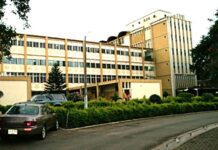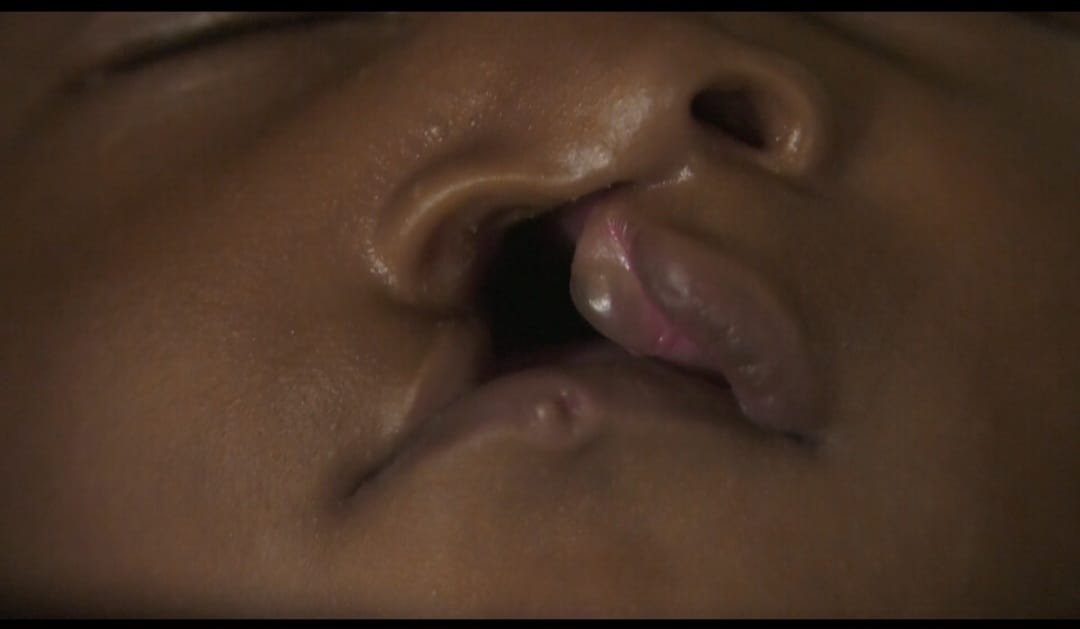

The National Cleft Care Center in Kumasi is significantly improving access to surgical treatment and comprehensive care for children and adults born with cleft lip and cleft palate in Ghana and across the sub-region.
Cleft lip and palate are birth conditions in which a baby is born with an opening or split in the upper lip and/or the roof of the mouth.
These conditions can affect feeding, speech, hearing, and facial development, but can be corrected through surgery and long-term supportive care.
The Head of the National Cleft Care Center in the Ashanti Region, Prof Solomon Obiri, says the facility has made remarkable progress in delivering holistic cleft care since its establishment.
“For decades, cleft treatment in Ghana was constrained by serious infrastructure challenges, limiting the number of patients who could access timely and comprehensive care,” Prof Obiri noted.

He explained that the construction of the center has addressed these gaps and expanded access to quality treatment for patients not only from Ghana but also from neighbouring countries.
The National Cleft Care Center was established through a partnership led by Smile Train, in collaboration with the Komfo Anokye Teaching Hospital (KATH), the Ghana Cleft Foundation, and the Ministry of Health.
Before the construction of the facility, KATH performed about 100 cleft surgeries annually, with only 20 orthodontic and 25 speech therapy patients receiving care.
However, the new center has significantly increased capacity. It now supports up to 500 cleft surgeries each year and provides comprehensive care to about 350 patients annually. This has raised the number of people receiving holistic cleft services from 145 to approximately 850 each year.
Ghana records an estimated 700 new cleft cases annually, while the Kumasi-based center receives an average of five new cases every week.
Beyond surgeries, the facility is strengthening Ghana’s ability to provide long-term cleft care services including orthodontics, speech therapy, and psychosocial support.
It is also serving as a regional hub for education and training of cleft care practitioners from Ghana and other countries.

Speaking at the Smile Train Partner Forum to Advance Cleft Awareness in Ghana, the President and Chief Executive Officer of Smile Train, Susannah Schaefer, said the center has transformed cleft care delivery nationwide.
“This facility represents a major milestone in ensuring that every child born with a cleft has access to safe, high-quality treatment and comprehensive support,” she said.
She commended the Government of Ghana and all partners for their vision and collaboration in establishing the center to meet the growing needs of patients.
Meanwhile, the Director of the Dental and Medical Council at the Ministry of Health, Dr. Ernest Konadu Asiedu, assured that sustainable financing measures are being put in place to support cleft care services.
He explained that funding will be channeled through the Medical Trust Fund and the National Health Insurance Scheme (NHIS) to ensure long-term access to treatment.
“We are committed to ensuring that cleft care services remain accessible and sustainable for all who need them,” Dr. Asiedu stated.
The National Cleft Care Center is expected to continue expanding Ghana’s capacity for cleft treatment, while positioning the country as a leading provider of comprehensive cleft care in the West Africa