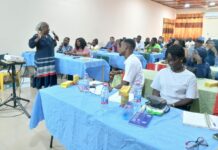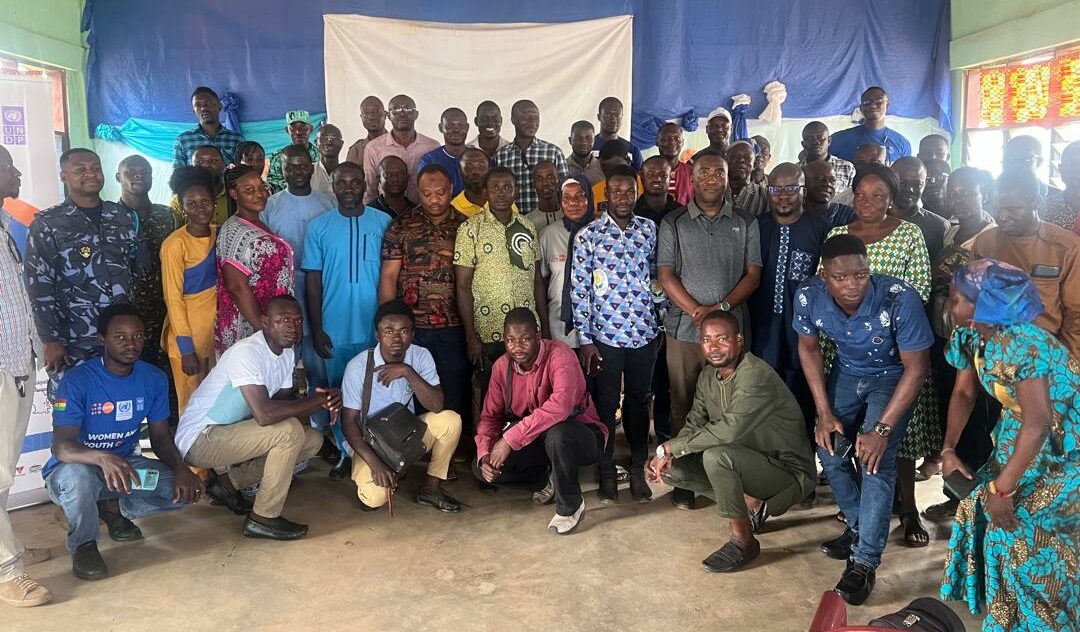

The Department of Gender in the North East Region is spearheading a crucial initiative to combat child marriage by engaging 40 traditional and religious leaders in developing actionable, community-specific strategies to eradicate this harmful practice.
Child marriage, a deeply entrenched cultural practice continues to undermine the rights, education, and overall well-being of children, particularly girls, across numerous communities in the North East Region.
Despite growing awareness and the existence of legal frameworks designed to curtail it, the practice persists, fueled by deeply rooted traditions and reinforced by prevailing social norms.
Recognizing the critical influence of traditional and religious leaders, the Department of Gender in the North East Region, with vital funding support from UNFPA under the Eighth Country Programme, is taking a proactive stance.
The core objective of this engagement is to harness the unique position of these leaders as esteemed curators of culture and spiritual authority. They are uniquely placed to challenge and transform harmful practices within their communities.
The initiative aims to sensitize these leaders to the far-reaching negative social, economic, and health consequences of harmful cultural practices, with a particular focus on child marriage.
By fostering a collaborative environment between traditional and religious leaders, government agencies, and civil society organizations, the program seeks to strengthen the enforcement of existing laws and policies against child marriage at the grassroots level.
Crucially, the engagement is focus on developing community-specific remedial action plans. These plans will carefully integrate cultural sensitivity with legal and rights-based frameworks to effectively address and mitigate harmful practices within the unique contexts of each community.
The ultimate goal is to empower these leaders to become champions of change, leading public campaigns and community engagement initiatives to eradicate harmful practices and promote the rights of children.
The urgency of this initiative is underscored by the alarming statistics from the 2021 Population and Housing Census, which revealed that the North East Region has one of the highest rates of child marriage in Ghana, with 10.6 percent of children aged 12 to 17 having been in a marital union.
Furthermore, a staggering 44.8 percent of children currently in such unions in the North East Region have never attended school, highlighting the devastating impact of child marriage on educational opportunities.
By empowering traditional and religious leaders as key agents of change, this initiative aims to foster sustainable behavioral change and community-led solutions, ultimately safeguarding the rights and futures of children in the North East Region and setting a precedent for similar efforts across Ghana.
Teenage pregnancy: 17-year-old mother advises peers to choose books over babies
By Solomon Kwame Kanaluwe