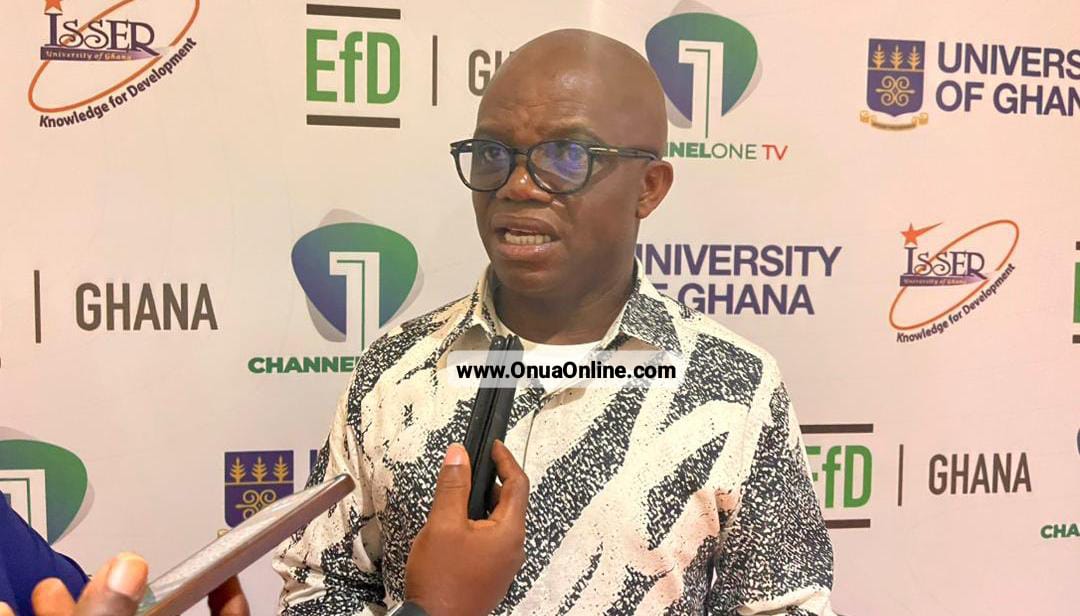

Former Deputy Minister of Finance, Dr. Stephen Amoah, popularly known as Sticka, has called for the need to back policies in the country with research.
He says most policies developed over the years could not stand the test of time because they were not backed by any research.
The Nyhiaeso Member of Parliament, in an exclusive interview with OnuaOnline on the sidelines of the University of Ghana’s Institute of Statistical, Social and Economic Research’s (ISSER) forum on sanitation in Accra on Thursday, February 26, 2026, noted that Ghana has failed in many spheres because research has been relegated in policy formulation and implementation.
He believes if research was prioritised in the country, Ghana would have advanced in many of the things it has been struggling with.
“Ghana here, one of our weaknesses is our inability to strengthen the research segment of the entire ecosystem of our country,” he stated.
According to him, successive governments have taken lightly the impact of research on policy formulation, making him question whether leadership has been committed to the constitutionally mandated percentage of revenue apportioned to research over the years.
“So we have a law. The law stipulates that at least 0.5% of our budget revenue that we get here should go into research. So I was actually teasing whether indeed we commit that amount into research or not.
“Because 2024 alone, we had about $226.7 billion in terms of expenditure, our budget. 0.5% of them would be over $100 million. So you realize that if we are to commit these things, this amount into research, most of our policies will be sustainable.”
Dr. Amoah says both the New Patriotic Party (NPP) and the National Democratic Congress (NDC) have failed in policy implementation because of lack of research.
“Because you realize that we are in NDC, NPP, most of the times our policies are not sustainable. We implement policies, and they don’t stand the test of time,” he stated, explaining that “because we don’t precede our policies with research to understand the entire value chain.”
About the ISSER research on sanitation
The ISSER-led research offers policymakers a data-driven case for prioritising sanitation financing as a development catalyst, aligning national efforts with the Sustainable Development Goals and positioning Ghana as a leader in sustainable urban management.
The research puts a spotlight on waste investment opportunities rather than the crisis.
Presenting the report to stakeholders on Thursday, February 26, Prof. Peter Quartey of ISSER, stressed the need for the state to see waste management not as a burden, but as one of Ghana’s most promising economic investments.

The study, titled “An Economic Analysis of the Benefits of Adequate Investment in Waste Management and Sanitation in Ghana”, presented a compelling evidence that strategic and sustained financing of sanitation systems can generate measurable economic returns, protect public health, and stimulate job creation.
Rather than dwelling on overflowing landfills or strained municipal budgets, the study highlighted the gains Ghana stands to make, including reduced healthcare costs, improved workforce productivity, stronger environmental resilience, and enhanced urban livability.
It quantified how every cedi invested in structured waste collection, recycling infrastructure, and sanitation services can translate into long-term savings and economic growth.
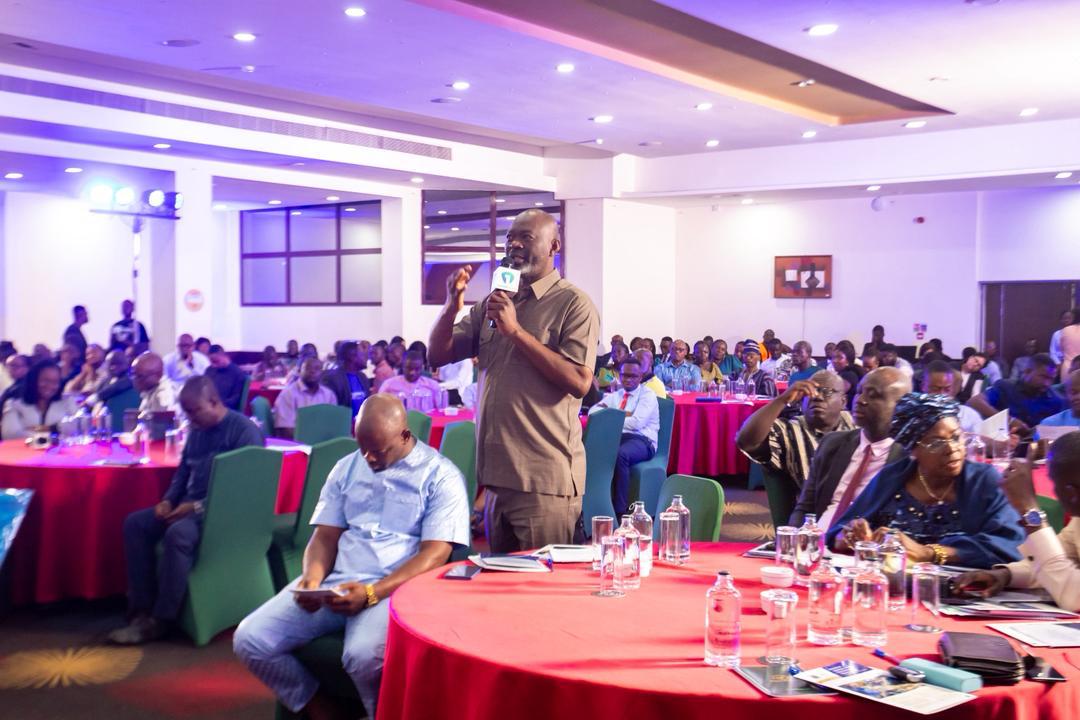
Following the presentation, a stakeholder dialogue highlighted on the need to move the conversation beyond managing waste to harnessing its economic potential, reinforcing the idea that sustainable sanitation is not merely a social obligation but a smart investment in Ghana’s future.
Let the private sector manage waste – Parliament’s Environment Committee chair tells gov’t