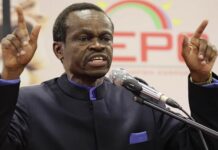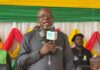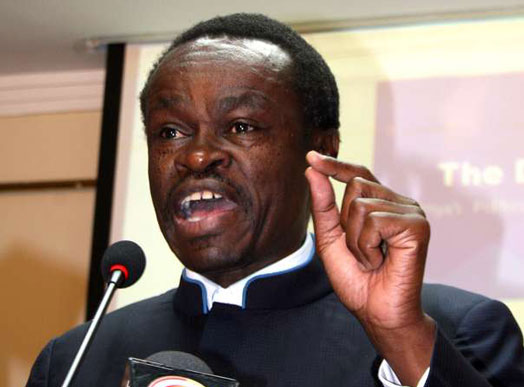

Renowned Kenyan legal scholar and orator, Prof. P.L.O. Lumumba, says African Ministers of Finance should be locked in a room for one week to read all the books of Osagyefo Dr. Kwame Nkrumah if the continent is to free itself from Western dependence.
Speaking at the W.E.B. Du Bois Centre in Accra at the Padmore-Du Bois-Nkrumah Memorial Lecture ahead of the Memorial Day celebration of Dr. Nkrumah on September 21, Prof. Lumumba said Africa’s continued reliance on the West for its development is worrying and unsustainable.
He said Africa must fundamentally reorganise itself to reduce dependence on the West and chart its own development path.
“The European Union summons you to Brussels and tells you we can do business, and they don’t stop there. They even divide themselves. The British call you. The Italians call you. The Spaniards call you. The Russians call you in Sochi,” Prof. Lumumba said.
“Everybody is calling you, including Brazil. So, Africans are busy moving from place to place like the proverbial yo-yo. We cannot gain economic independence until the day that we retreat and begin to go to the fundamentals.”
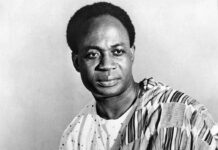
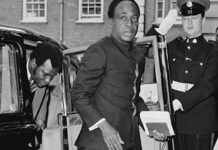
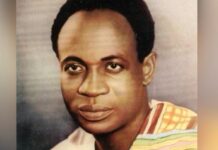
Prof. Lumumba said Dr. Nkrumah’s vision of a united and self-reliant Africa remains the blueprint for the continent’s transformation.
“There are times when I say to myself, African heads of state, most of whom I respect, and ministers of finance should be put in a room for one week to read all the books of Kwame Nkrumah. That they may understand what he understood,” he stressed to applause.
According to him, Africa’s development challenges require a renewed commitment to unity, self-reliance and an African-led agenda.
“We can be organised. The time for us to be organised is now to ensure we generate electricity, we have our working airline, to add value to our products, so that our animal skins and cotton are processed into clothes and shoes, to undertake research in our own universities,” he said.
The lecture forms part of activities to commemorate NkrumahFest 2026 and the legacy of Dr. Kwame Nkrumah, Ghana’s first President, whose Pan-African vision continues to dominate discussions on Africa’s political and economic future.
By Samuel Yeboah Adams