
The Ghana School Feeding Programme is intensifying efforts to improve the nutritional quality of meals served to schoolchildren, with caterers being equipped with a new nutrition manual and menu guide.
The initiative, supported by the World Bank in collaboration with the Noguchi Memorial Institute for Medical Research, is designed to guide caterers on meal preparation, food hygiene and the right combination of food items needed to provide children with a balanced diet.
National Coordinator of the Ghana School Feeding Programme, Hajia Fati Fogor, says the manual will serve as a practical reference for caterers and help standardise the quality of meals served across schools.
“They have designed a manual and also a menu card, which will guide the caterers as to what food they are supposed to cook on each day and how they are supposed to go about it. They are also teaching them the nutritional value of the food and food items that they need to put together to get a balanced diet.”
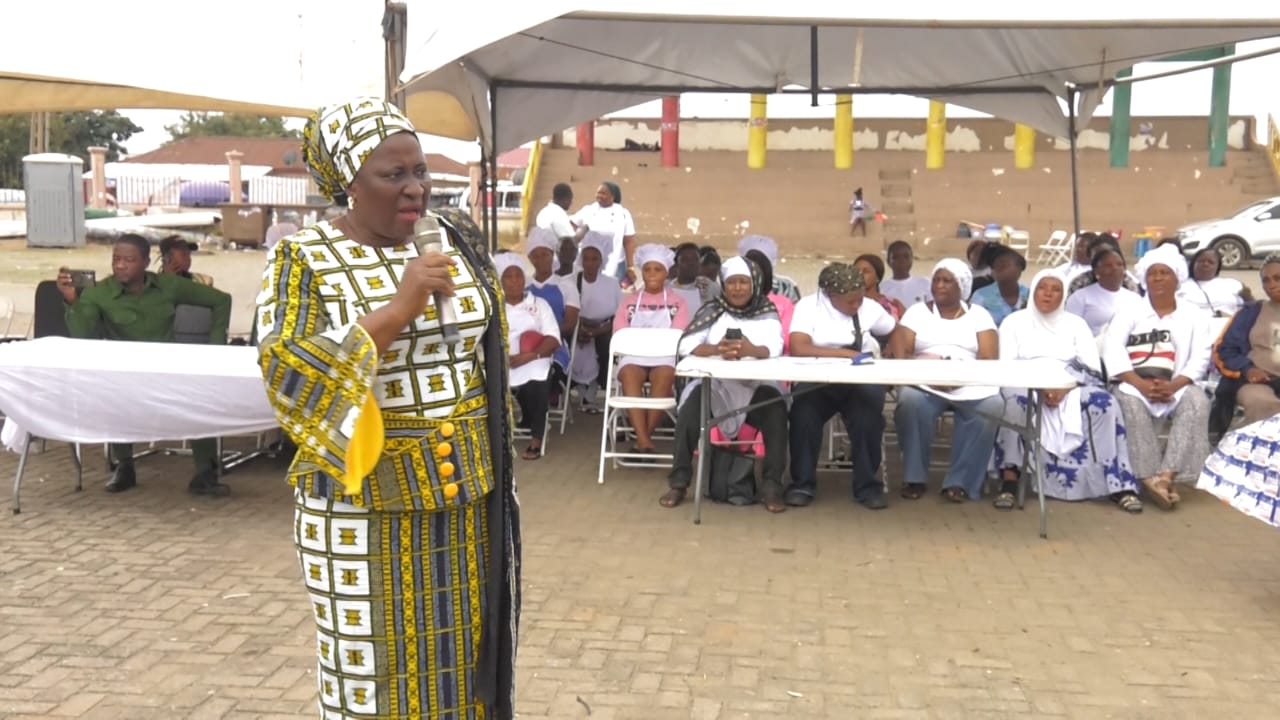
Hajia Fati Fogor disclosed this while monitoring the rollout of the nutrition training programme in the Ashanti Region, where trainers are stepping down the knowledge to caterers in the region.
She said monitoring has also been intensified at the national, regional and zonal levels to ensure caterers adhere to the required standards.
“We have intensified our monitoring from the national level and also at the regional level. Our zonal coordinators have been on their toes. They have to monitor all districts that have been assigned to them to ensure that the caterers do the right thing.”
The National Coordinator also cautioned caterers serving schools in remote communities against assuming that their activities cannot be monitored because of their location.
“Those who have been assigned those schools shouldn’t think because it is far from town, we cannot check on them. Just as we have gone to other places where they never expected the National Coordinator will appear there, it is the same where I will visit them when they least expect it.”
The programme has also introduced digital data collection through SchoolConnect to strengthen monitoring and accountability.
Hajia Fati Fogor urged caterers to make the best use of the current GH¢2 allocation per child, insisting that pupils must be served hot, nutritious and quality meals.
She argued that improved service delivery would strengthen the case for an increase in the feeding grant.
“If you do it well, then we have the reason to justify why government should increase the fee from 2 cedis. But if you don’t do it well, you have no moral right to ask for that.”
She further urged caterers to take their responsibility seriously, particularly those serving schools in underserved and hard-to-reach communities, where the School Feeding Programme is needed most.
By Abubakar Ibrahim