
Sekondi-Takoradi could soon turn one of its biggest urban challenges into a major source of energy, following a strategic partnership to establish a modern Waste-to-Energy plant expected to generate about 450 megawatts of electricity for the national grid.
The ambitious project, being spearheaded by Mayor Frederick Faustinus Faidoo and the Sekondi-Takoradi Metropolitan Assembly (STMA), is expected to transform the metropolis’ troubled waste management system while creating jobs, improving sanitation and reducing the growing financial burden associated with waste disposal.
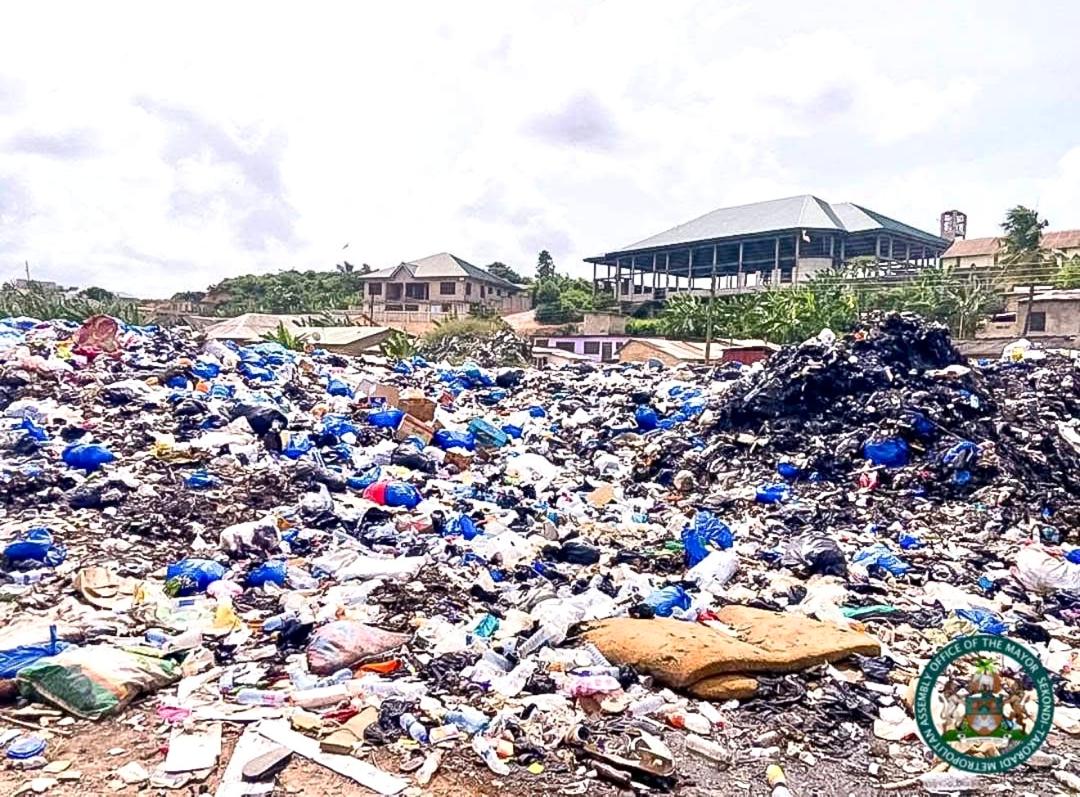
For years, waste management has remained one of the most pressing challenges confronting the oil city. The Sofokrom landfill, the only engineered landfill facility serving Sekondi-Takoradi, Shama and parts of the Western Region, receives hundreds of tonnes of waste daily and has repeatedly struggled under operational and financial pressures.
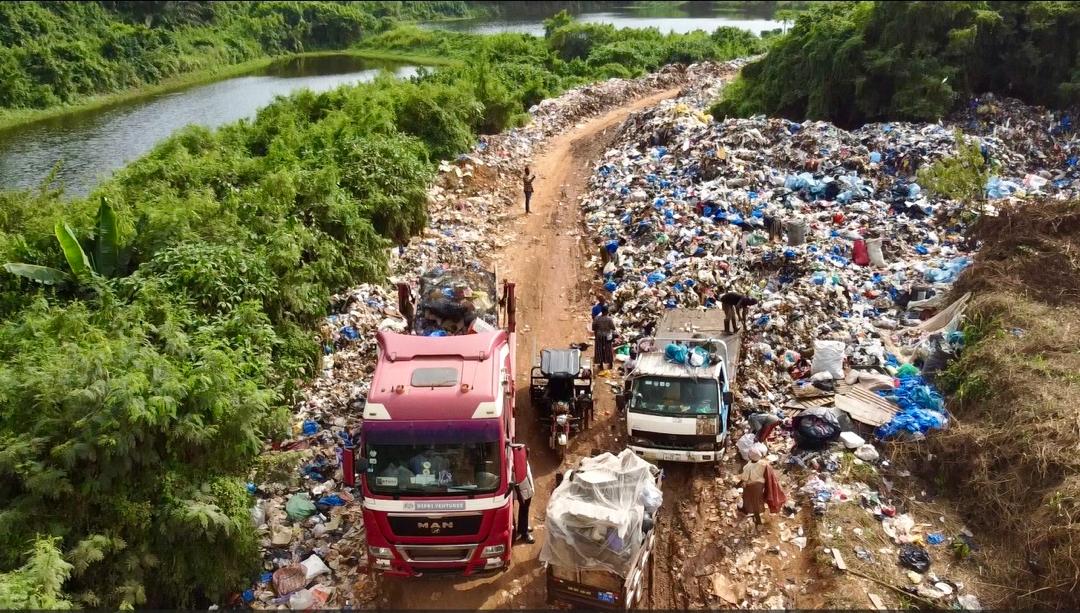
Reports have highlighted recurring overflows, equipment breakdowns, illegal dumping and rising management costs, exposing the urgent need for a more sustainable solution.
It is against this backdrop that the Assembly embarked on a working visit to China several months ago alongside management members and consultants from Chriscon Limited to explore sustainable solutions to the city’s sanitation challenges.
The visit has culminated in a partnership with SUS Environment, one of China’s leading Waste-to-Energy companies, to establish a state-of-the-art facility in Sekondi-Takoradi.
Under the proposed arrangement, the existing Sofokrom landfill site will be redeveloped into a modern Waste-to-Energy complex capable of converting municipal solid waste into electricity while significantly reducing dependence on traditional landfill operations.
Representatives of SUS Environment are expected in Ghana from June 15 to undertake technical assessments of the site and engage government agencies, regulatory institutions and key stakeholders ahead of the signing of a comprehensive agreement with the Assembly.
The project is expected to be completed within two years.
Beyond addressing the city’s sanitation concerns, the facility is projected to create substantial employment opportunities for young people, stimulate local economic activity and contribute an additional 450 megawatts of power to the national electricity grid at a time when the country continues to pursue expanded and diversified energy sources.
For Mayor Faidoo, the initiative represents a “bold shift from the conventional approach of waste collection and disposal to a model” that treats waste as an economic resource capable of generating energy, jobs and long-term environmental benefits.
The Assembly believes the project could position Sekondi-Takoradi as a national leader in sustainable urban development and modern waste management, while delivering a lasting solution to a challenge that has burdened residents and successive city administrations for decades.
By Eric Yaw Adjei