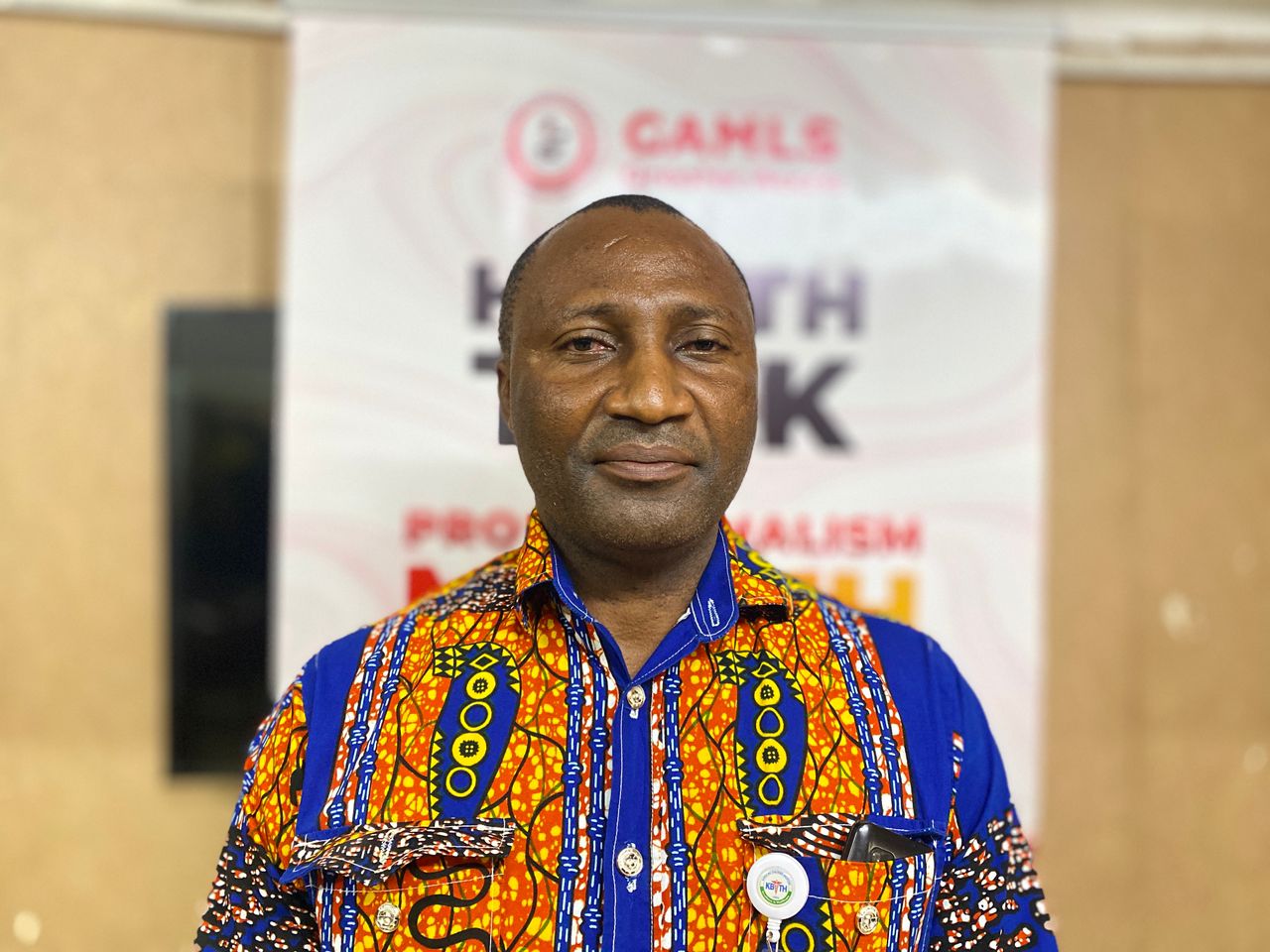

The Greater Accra Regional Chairman of the Ghana Association of Medical Laboratory Scientists (GAMLS), Dr. John Tosenu Mensah, has advised couples to check their genotype before marriage to help prevent the risk of having children with sickle cell disease.
He further encouraged the public to undergo medical check-ups at least once a year, noting that early detection of diseases makes treatment more effective.
“Sickle cell disease is an inherited blood disorder that affects offspring. We urge all eligible couples to check their sickle cell status to ensure compatibility. For instance, individuals with the AS genotype should marry partners with the AA genotype, while those with SS should also choose AA partners to avoid passing on sickle cell to their children,” Dr. Mensah explained.
He added that as people age, cell regeneration slows down, making regular medical check-ups essential to detect and manage health conditions before they worsen.
Dr. Mensah made these remarks during a health talk organized by GAMLS as part of its Professionalism Month celebrations.
The event brought together students from the University of Ghana’s Accra City Campus to discuss health issues, particularly blood testing and sickle cell awareness.
The Public Relations Officer of GAMLS, Dr. Gloria Amegatse, also advised young people to abstain from sex or practice safe sex to avoid contracting sexually transmitted infections.
She emphasized the importance of regular hospital visits, noting that many students neglect check-ups due to busy schedules, which increases their health risks.
Mr. Michael Agbesi Kelly, a blood bank medical laboratory scientist, shared insights on autologous blood donation — where individuals donate their own blood for future use as directed by Jehovah Witness.
He explained that while this method is beneficial for planned surgeries, it has limitations.
Mr. Agbesi Kelly, noted that Blood stored for personal use expires after 35 days, and donors must wait three to four months before donating again.
He added that in urgent cases, patients may need to rely on blood from other donors.
The programme highlighted the importance of preventive healthcare, encouraging the youth to prioritize regular medical check-ups and responsible lifestyle choices.
By Porcia Oforiwaa