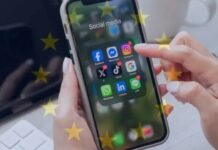

The other evening, I made a mistake that many of us make these days. I opened my phone intending to watch a funny video before bed.
Thirty minutes later, I was mentally reviewing the condition of my kidneys, my liver and what appeared to be a suspicious itch on my arm.
I was reviewing how the sugar used in single malt whiskeys is the reason why I maybe having symptoms of diabetes. By the time I put my phone down, I had diagnosed myself with enough conditions to qualify for a medical conference.
Of course, nothing was wrong with me. Or at least nothing was wrong until social media convinced me otherwise.
That experience made me think about an unseen danger quietly growing among us. In our quest to become more health conscious, many of us may be becoming something else entirely. Hypochondriacs in search of illnesses we do not have.
Lately, it seems every second social media reel, TikTok video, Facebook post or WhatsApp forward has something to say about our health. If it is not a herbal preparation that promises to cleanse every organ in the human body, it is a content creator explaining why we should be worried about a symptom we did not even know existed.
The advice comes in Twi. Let me be quick to add Dagomba, Ga, Ewe, English and almost every other language spoken in Ghana. I hope I have been successful in preventing a different debate from being introduced.
Some presenters appear highly knowledgeable. Others sound like that uncle who always knows someone whose cousin’s neighbour was cured by a mysterious leaf discovered somewhere behind a poultry farm.
I am sure you see your grandma justifying why the ‘odidoo’ herbs she consumes is the reason why she can stand partially upright.
Enough of the imaginations for now. The remarkable thing is that many of these messages are not necessarily wrong.
People are becoming more health conscious. More people are learning about diabetes, hypertension, allergies, kidney disease and other conditions that previously received little public attention.
In a society where poverty is the reason why many illnesses are detected late, public health education should be welcomed, with open arms. Hosea in the Holy book reminds us that Knowledge, after all, is a good thing. “My people are destroyed for lack of knowledge.”
The problem or let’s say ‘my problem’ is that somewhere along the line, awareness seems to have transformed into anxiety.
Many of us no longer only consume health information. We absorb it, personalise it and carry it around like a second medical record. We watch one video about liver cirrhosis and suddenly begin negotiating with our liver every morning.
My people, are we still okay?
Another time, we watch a video on allergies and spend the next week looking suspiciously at kenkey, groundnuts and even the family pet. We may be laughing, but many of us have been there.
The result is that we are quietly producing a nation of amateur diagnosticians. We hear one symptom and immediately conclude the case. A headache becomes high blood pressure. Fatigue becomes kidney disease. Occasional bloating becomes evidence that several internal organs have resigned simultaneously.
And because social media rarely likes unfinished stories, the diagnosis is often followed by treatment recommendations. Before long, someone is taking multiple supplements, drinking various herbal mixtures and experimenting with remedies recommended by complete strangers whose qualifications may extend no further than owning a smartphone and a ring light.
This is where the real danger begins.
When we become convinced we know what is wrong with us, we often stop seeking proper medical advice. We begin treating conditions we do not have.
Sometimes we combine medications, herbs and supplements without understanding how they interact. In the process, our liver and kidneys, which are the body’s natural processing and filtering systems, are forced to deal with substances they were never meant to handle in such quantities.
Ironically, in trying to become healthier, some people may be exposing themselves to entirely new health risks.
What worries me, however, is not the information itself. Information is rarely the enemy. As a communications professional, I find the phenomenon of social media rewarding and very fascinating.
A video titled “Five Signs You Should Consider Seeing a Doctor” may receive modest attention, but a video declaring “YOUR KIDNEYS ARE DYING AND YOU DON’T KNOW IT!” will travel across thousands of phones before evening.
The algorithms understand something every communicator has known for years. Fear spreads faster than facts.
This is why health communication cannot simply be about making information available. It must also be about making information responsible.
Perhaps health educators should spend less time diagnosing and more time guiding. Instead of telling audiences what disease they probably have, tell them when they should seek professional help.
Instead of frightening people into panic, they should empower them to ask better questions. Instead of presenting every symptom as a medical emergency, they should help people understand context, risk, and probability.
Most importantly, our trusted institutions like the Ghana Health Service, health professionals and credible media organisations must occupy the digital space more intentionally. They should empower their communications directorates to lead the public health education efforts.
Truly they say, nature abhors vacuum. Credible and strategic communication does too. When credible voices like the Ghana Medical Association, Ghana Pharmaceutical Society are more absent in digital public education efforts than they are in political and economic matters such as pay increase and allowances, louder voices quickly move in.
I am not saying they should not be heard in these fronts. All I want to say is, we want to feel the same energy in the public education front. On social media, volume is often mistaken for expertise.
The irony is striking. We live in a time when health information is more accessible than at any point in human history. Yet many people seem increasingly worried about diseases they have never been diagnosed with and symptoms they barely understand.
This makes it clear that danger is not health education. We need more health education, not less. The real danger is when awareness quietly transforms into anxiety, when information becomes self-diagnosis, and when concern becomes self-medication.
As communicators, health professionals, media practitioners and content creators and influencers, perhaps our challenge is not simply to spread more information but to spread better information. Information that informs without alarming, guides without diagnosing and encourages action without creating fear.
As Proverbs 14:15 wisely teaches us, “The simple believe anything, but the prudent gives thought to their steps.” This wisdom may be more relevant today than ever before.
Otherwise, we may succeed in teaching people about disease while unintentionally teaching them to believe they are sick.
This unfortunately, may be one of the most overlooked public health dangers of the social media age: the illness we are teaching ourselves to have.
ABOUT THE WRITER
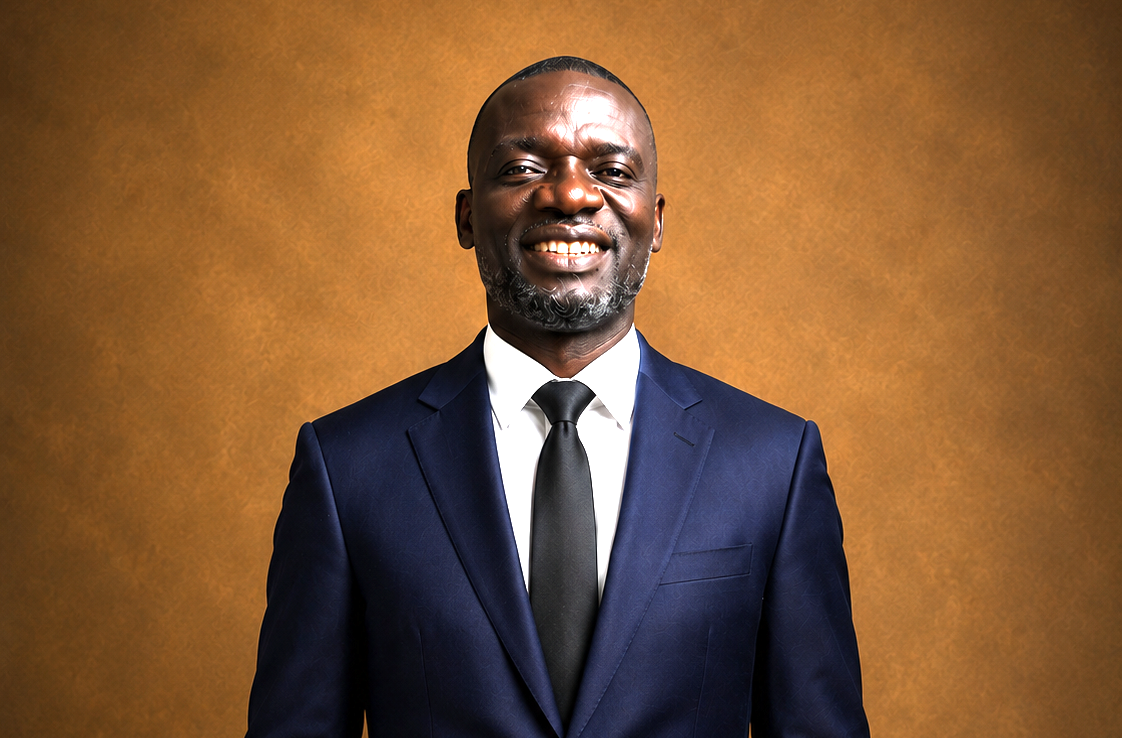
Benjamin Quarcoo is a Chartered Public Relations professional (CIPR-UK) with over a decade of experience in strategic communications. He has worked across multiple sectors, notably in Ghana’s Education and Energy industries, and is known for enhancing reputation and stakeholder trust.