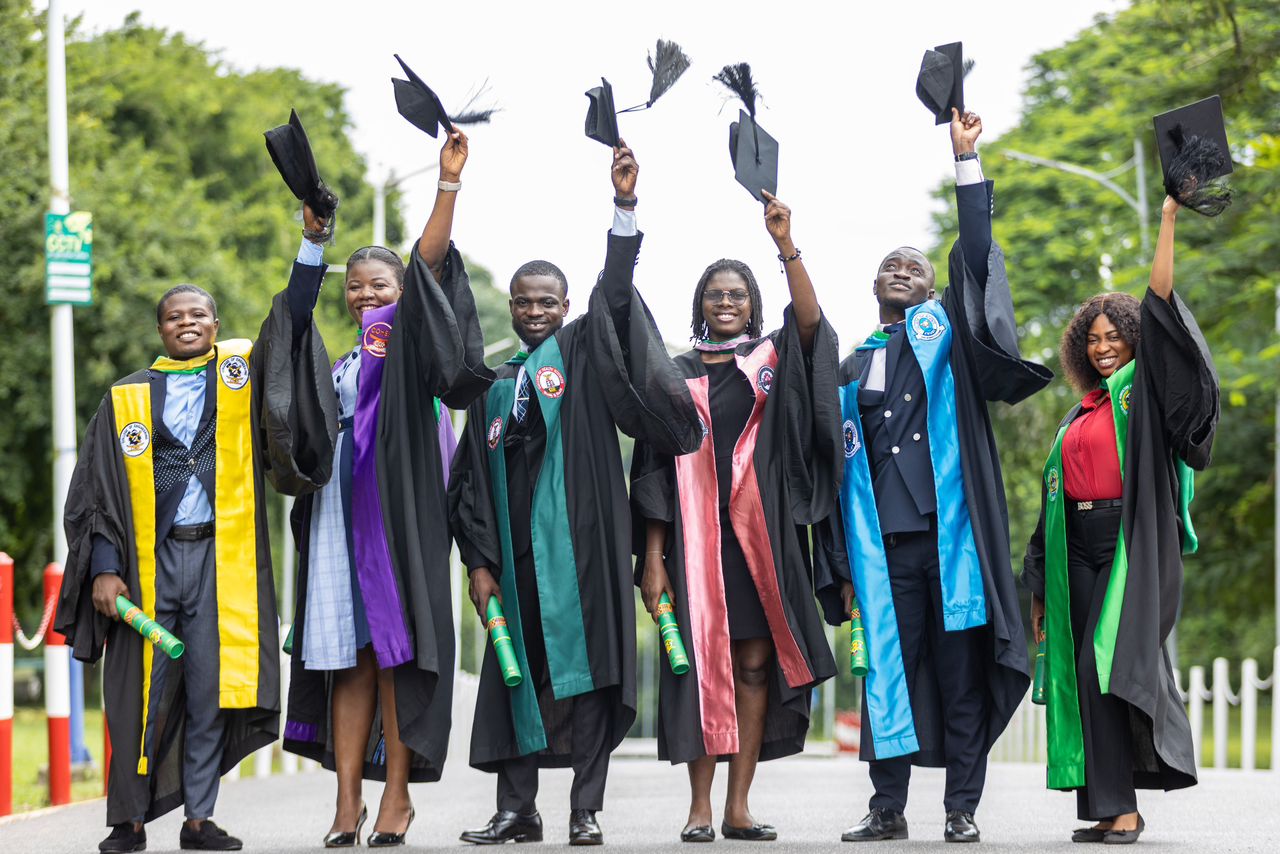

The cheers don’t last. One day you will be crossing a stage in a well ironed gown with a degree like it’s a passport to a better life. Your parents are beaming, your friends are shouting your name, and for a moment everything feels possible.
Then reality slaps you. Hard. Suddenly you’re back in your parents’ house, waking up early not because you have somewhere to go, but because you’re tired of lying in bed thinking about your future.
You refresh your email like it owes you something. You open LinkedIn and send yet another application into the void still nothing. For many fresh graduates in Ghana, the jump from classroom confidence to real world survival feels less like a transition and more like a free fall.
Every year, universities proudly churn out thousands of “first class” and “second upper” graduates. In school, those distinctions are everything. Outside, they’re starting to mean very little. Employers keep saying the same thing: grades are nice, but experience is nicer.
And with the awkward gap between what’s taught in lecture halls and what companies actually need, a lot of young people are stuck in limbo. Imagine how embarrassing it would be for a First Class graduate for instance, staying unemployed for 14 months. People will keep asking why he/she will still be home with the ‘big degree.’ But they don’t understand that, out here, your class doesn’t move the needle.”
The numbers don’t comfort anyone either. Youth unemployment keeps climbing, and underemployment is practically normal now. Plenty of smart, capable graduates are forced into jobs they never imagined; including selling clothes on Instagram, TikTok and snapchat while doing errands for relatives, jumping from one short gig to another just to stay afloat.
Employers have their side of the story. “We want more than good grades,” says Kofi Mensah, an HR manager at a telecom company. “We need people who can think on their feet. Too many graduates struggle with basic problem solving and communication once they’re out of school.”
So here we are, a whole generation stuck between high hopes and harsh truths. Some feel cheated like they were promised that a degree was the key to a better life, only to find the door still firmly locked. Others are adjusting, picking up new skills, taking low paid internships, or diving into entrepreneurship because waiting simply isn’t an option anymore.
There are efforts to fix things – career programs, mentorship platforms, attempts to bridge the gap between universities and industries. But right now, they’re not enough to match the scale of the struggle.
So yes, graduates will keep marching proudly across those graduation stages. But once the applause fades, they’re stepping into a job market that still doesn’t quite know where to place them.
The degree is still a win. But the real test the one nobody claps for starts right after.
Graduate unemployment: The struggles in securing a job after school in Ghana
By Dennis Nana Agyei-Gyebi