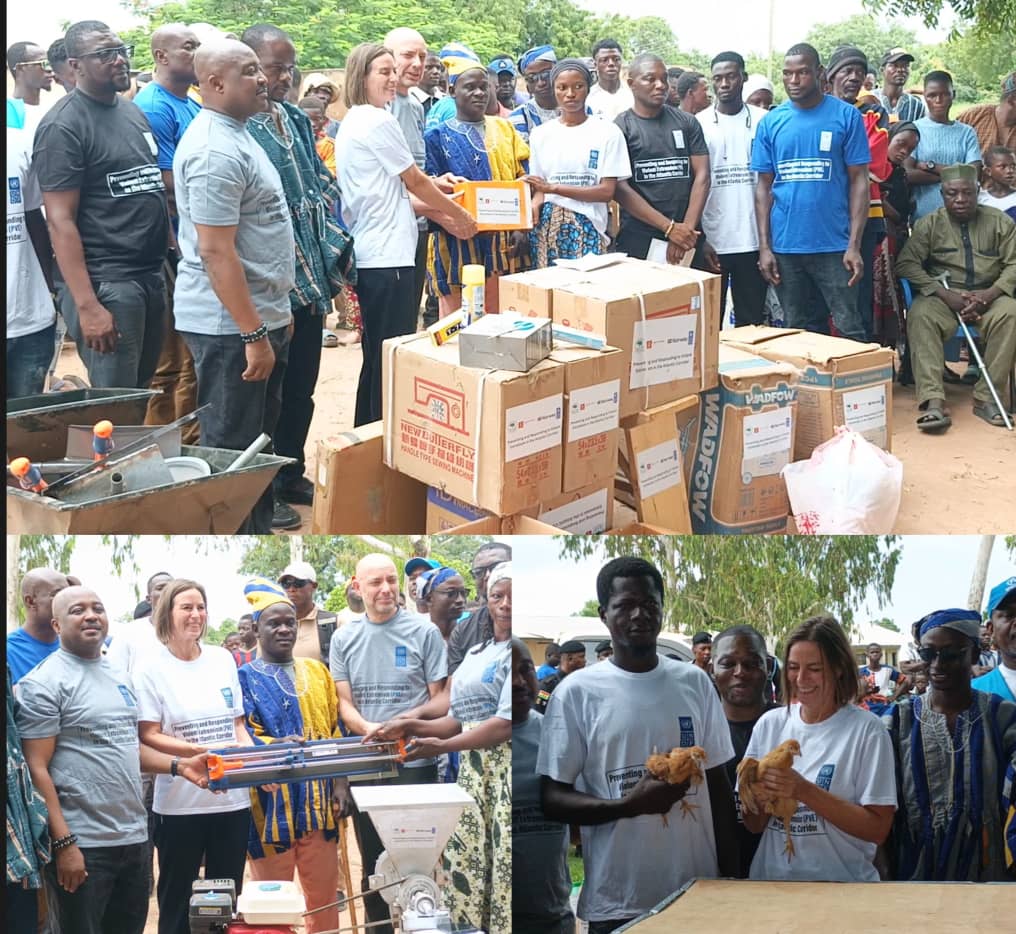

One hundred vulnerable women and young people in Fatchu community in the Sissala West District of the Upper West Region have received livelihood assets, professional start-up tools and a solar-powered mechanised water facility to boost their economic resilience and strengthen community peace.
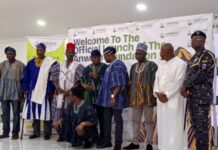
The intervention, implemented under the Preventing and Responding to Violent Extremism in the Atlantic Corridor project, was handed over to the beneficiaries on Thursday, August 27, 2026, with support from the United Nations Development Programme (UNDP), the governments of Denmark and Norway, the Upper West Regional Peace Council (UWRPC) and CAPECS.
The project combines livelihood support with climate-smart agriculture and peacebuilding, targeting socio-economic vulnerabilities that can expose communities to conflict and violent extremism.
Speaking ahead of the handover, Upper West Regional Minister Charles Lwanga Puozuing Esq. said the intervention was more than the provision of farming and livelihood equipment, describing it as an investment in peace, productivity and resilience.
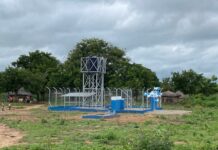
He said the solar-powered mechanised water facility would reduce the dependence of farmers on rainfall and create opportunities for year-round agricultural production, particularly for women and young people.
“When a young person has a productive livelihood, when a woman has an income-generating enterprise, and when a community has the means to produce food and generate wealth, we reduce vulnerability and strengthen the social foundations upon which peace depends,” he indicated.
The Regional Minister urged the beneficiaries and community leadership to establish transparent systems for managing and maintaining the facility, warning against vandalism, misuse and environmental degradation.
He also encouraged the beneficiaries to move beyond subsistence production by embracing aggregation, value addition, market access and enterprise development.
The Fatchu intervention forms part of broader peacebuilding and livelihood initiatives across the Upper West Region, with the Regional Minister indicating that related interventions had reached more than 3,000 key stakeholders across the region.
Head of Transformation Governance at UNDP Ghana, Dr Edward Ampratwum, said the intervention formed part of efforts to address the growing risk of violent extremism spreading from the Sahel towards coastal countries.
According to him, UNDP’s assessment across the five northern regions identified poverty, unemployment and social exclusion, particularly among women and youth, as key drivers of vulnerability.
Dr Ampratwum said the Atlantic Corridor Initiative had therefore implemented several interventions since 2023 to strengthen livelihoods while building trust among communities, government and security agencies.
He said the initiative had so far reached more than 500 beneficiaries under its livelihood interventions.
Dr Ampratwum urged beneficiaries to complement the support by working with security agencies and local peace structures to prevent emerging security threats.
“We are here to empower you, but we are hoping that through the empowerment, we also help to bring information forward to address all threats towards violent extremism,” he stated.
The Sissala West District Chief Executive, Abudu Fuseini Gbene, said the intervention was timely given the district’s proximity to Ghana’s northern borders and the socio-economic vulnerabilities confronting some communities.
He noted that livelihood insecurity, limited employment opportunities and poverty could create conditions that might be exploited by individuals seeking to promote violence and extremism.
He also highlighted the role of Community Peace Committees established and strengthened through the projects, saying they were crucial in identifying and resolving conflicts before they escalated.
Gbene appealed to development partners to support the revival of the Sissala West Youth Parliament, which he said had become dormant due to inadequate funding and logistics.
He described young people as “partners in governance today” and said the Youth Parliament could provide an important platform for civic education, leadership development and peaceful participation in local governance.
For 22-year-old beneficiary Sanah Fadila, the intervention goes beyond the physical items received.
She said beneficiaries had also acquired practical skills in soap making, liquid soap production, makeup, shower gel production, ornament making, gardening and savings.
She expressed gratitude to the partners and pledged that the beneficiaries would use the support responsibly to become self-reliant.
The project is ultimately expected to help create jobs, improve food security, strengthen climate resilience and deepen the link between economic opportunity and sustainable peace in the Sissala West District.
By Ibrahim Wangara