
While the world is rapidly advancing with modern technology to transform everyday life, many communities in northern Ghana still lack basic technological advancement, particularly in transportation of goods and services.
Residents of Kupulima and other communities in the Sissala West District of the Upper West Region remain cut off from motorized transport due to poverty, especially when moving between their homes and farmlands.
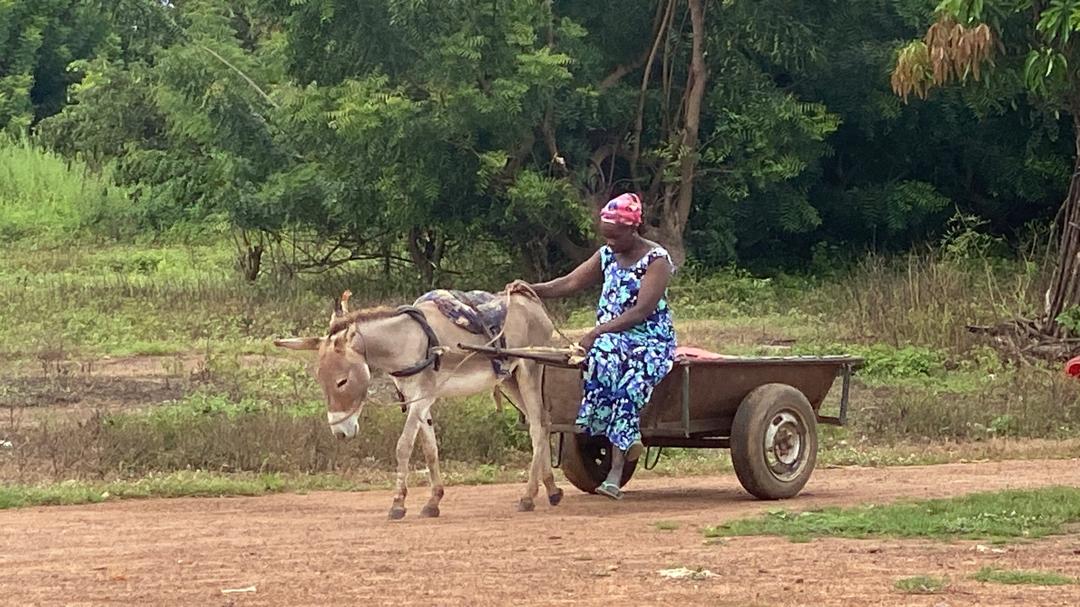
In Kupulima, the only means of transport is the donkey and donkey cart. They are used to transport people and goods across Sissala West and into parts of Burkina Faso.
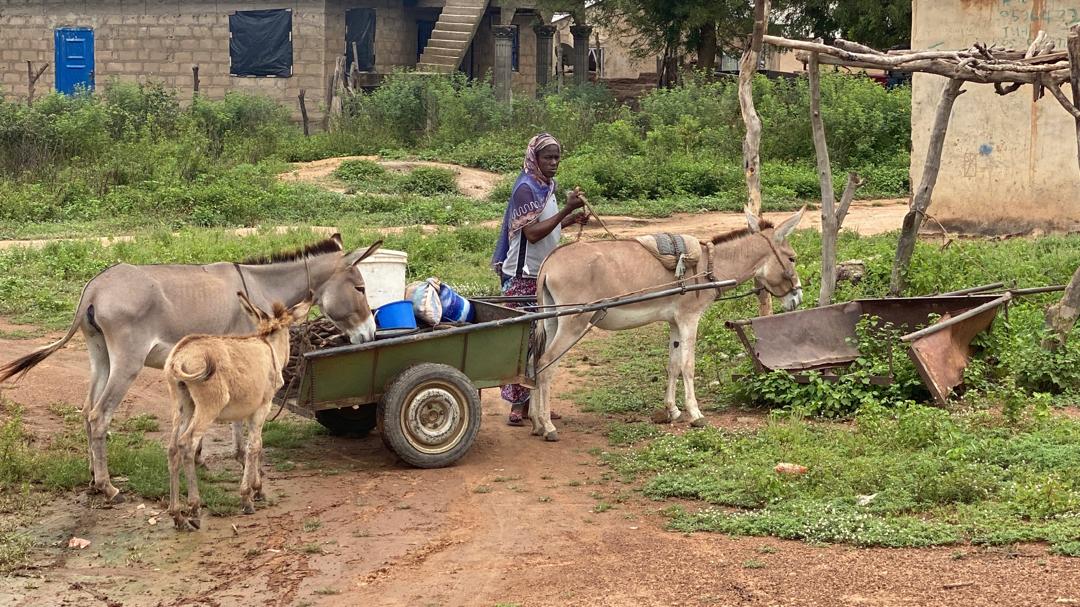
The population of donkeys is now almost at par with the human population, reflecting their importance to livelihoods in the area.
As a farming enclave, these donkeys play a vital role in agriculture during both the dry and rainy seasons. They can access areas that vehicles cannot. However, their slow movement affects real-time mobility and reduces productivity.
The animals also ease the hardship residents face in accessing water. They carry heavy loads of water in cans and drums for household use and farm work.
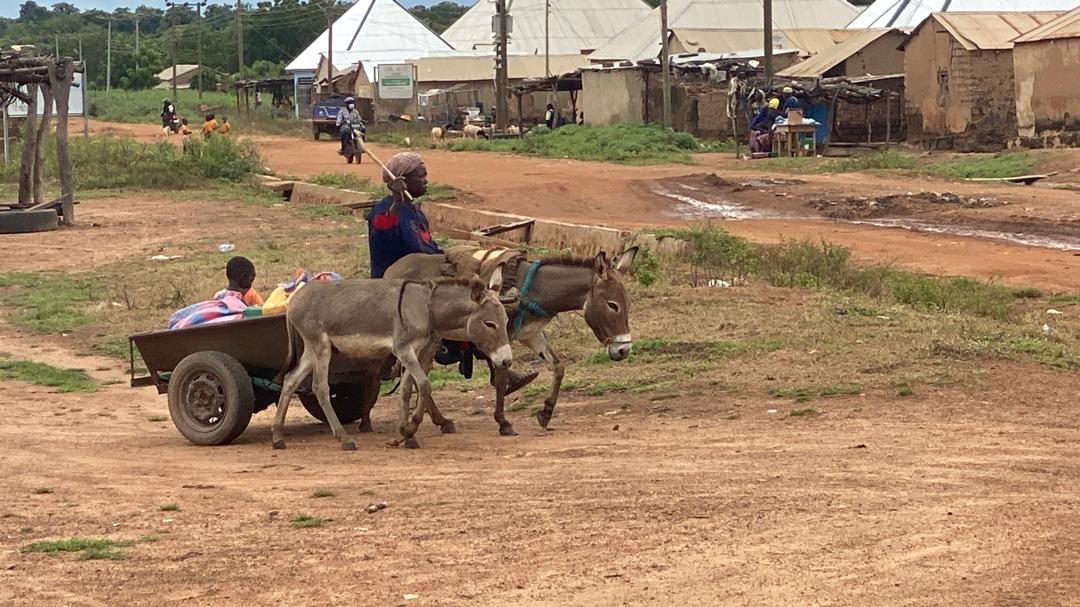
Interestingly, women manage these donkeys with pride. They serve as guides and operators, using the animals to go to farms, fetch water and firewood, and carry foodstuffs to markets.
Despite their usefulness, the donkeys are at risk. Due to the high demand for donkey skins for export to China and other parts of Asia, merchants and traders have turned the Sissala West District into a major supply hub. According to residents, this trade is depleting the donkey population, and they fear that soon there will be no donkeys left to make life manageable.
Confirming these concerns, the Assemblyman for the Kupulima Electoral Area, Katarah Batong, expressed worry about how poverty is denying residents a decent life in the 21st century, when science and technology have transformed even simple modern transportation.
“We are really behind modern civilization in this area when it comes to transportation. Just look around, not even a single tricycle is found here; all you can see is donkeys doing the work of machines. You cannot blame us because it is poverty that has forced us to use this alternative means of transport,” Mr. Batong said.
“What is even more worrying is how our donkeys are being sold for the donkey skin business elsewhere, and it is really going to affect us in the future. But this effect can reduce our pains of losing the donkeys if modern means of transportation are made available to us,” he added.
During the five hours our news team spent in Kupulima, we saw no more than three tricycles, popularly known as ‘Motorking’. According to residents, those tricycles were not from the community but had come to deliver goods from Tumu in the Sissala East Municipality. The only other motorized transport in the communities are regular motorbikes, most of which belong to public workers and visitors.
It is therefore difficult for anyone leaving the community to access commercial transport, except by using a personal motorbike or car. Despite these challenges, residents continue to use donkeys to carry goods to major towns within the Upper West Region.
By Tanko Mohammed Rabiu