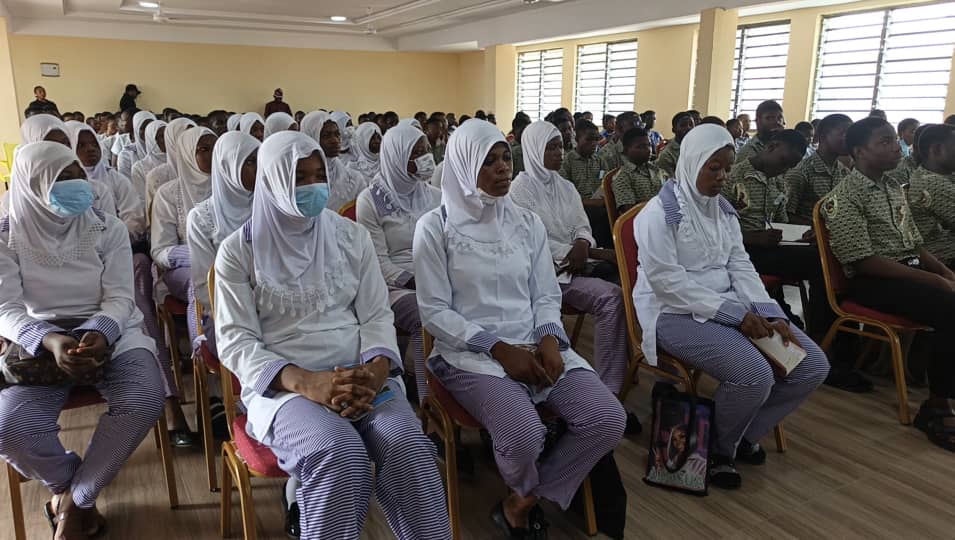

For many young people in Ghana, the National Youth Policy, a document designed to guide opportunities, welfare, and development for the youth, is something they have never heard of.
A nationwide survey conducted by Youth Placement for Employability Solutions (Y-PES Ghana) has revealed that more than 91 per cent of Ghanaian youth are unaware of the policy’s existence, nearly five years after it was launched.
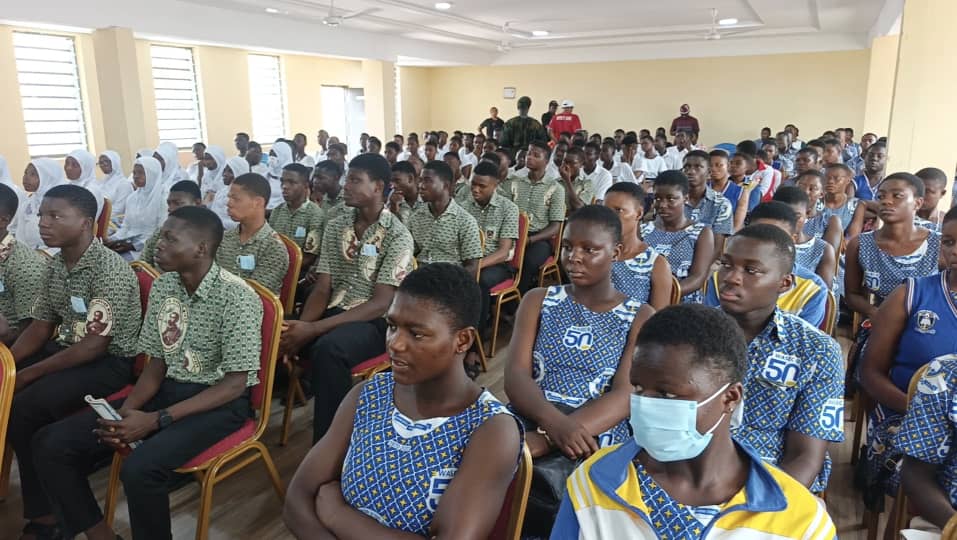
The findings came as a surprise to many students who participated in a leadership training programme organised by Y-PES Ghana for school prefects in the Upper West region.
Madi Latifatu, the Girls Prefect of Wa Senior High School, said “I realised we don’t even know what government has put in place for us as young people”.
“If we are not aware, how can we demand accountability or benefit from it?,” she questioned.
The survey, which covered about 2,000 young people across all 16 regions of Ghana, found that only 8.8 per cent of respondents had any knowledge of the National Youth Policy.
The Executive Director of Y-PES Ghana, Mumuni Sulemanna, said the results reflected a worrying disconnect between young people and policies meant to shape their future.
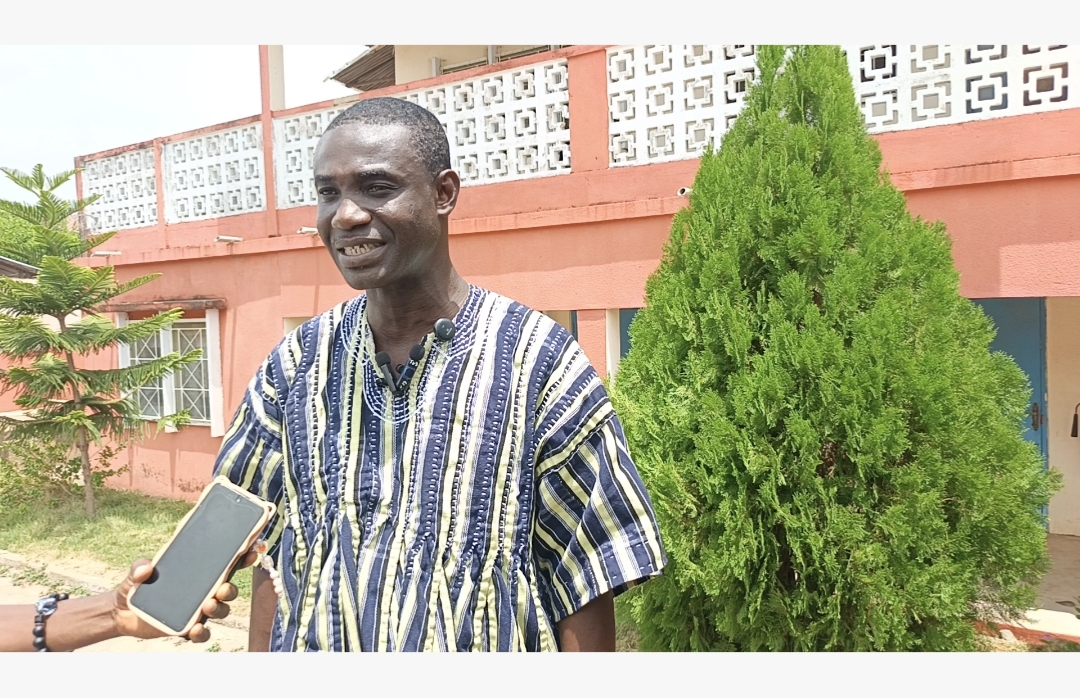
“The youth are ignorant of their rights, not privileges,” he said. “The policy exists to support and empower them, but many of them do not even know it exists.”
According to him, the study took nearly a year and used an online questionnaire to gather views from young people from different backgrounds across the country.
At the leadership training programme, student leaders from various second-cycle institutions including; Wa Senior High School, Wa Secondary Technical School, Jamiat Islamic Girls SHS, St. Francis Xavier Minor Seminary and Senior Victory College listened attentively as facilitators explained key provisions of the policy.
For some of them, it was the first time they were hearing that there was a national framework dedicated to youth development.
“I think copies of the policy should be given to students in schools,” said
Shadrach Mwintir Dery, School Prefect of St. Francis Xavier Minor Seminary. “Young people need to understand the opportunities and responsibilities outlined in it.”
Sulemanna blamed the low level of awareness on inadequate public education and called on the National Youth Authority (NYA) and the National Commission for Civic Education (NCCE) to intensify sensitisation campaigns.
He also urged the government to release the five per cent allocation from the District Assemblies Common Fund meant for the NYA to support youth-focused programmes.
Beyond awareness, he believes the focus of youth development must shift towards practical empowerment.
“The youth need skills, leadership training, entrepreneurship support and opportunities to realise their potential,” he stressed.
For many of the students in the programme, the discussion was an eye-opener and a reminder that policies can only make a difference when the people they are meant for actually know about them.
ICU lauds 24-Hour Economy; urges gov’t to expedite policy on how it will create jobs for youth
By Ibrahim Abubakari Wangara