
Organised Labour has called on the National Labour Commission (NLC) to refrain from seeking court injunctions to halt industrial actions after workers have complied with the legal requirement of notifying the Commission of their intention to strike.
The Secretary-General of the Ghana Trades Union Congress (TUC) and spokesperson for Organised Labour, Joshua Ansah, said the practice undermines workers’ right to industrial action and could further deteriorate the country’s labour relations.
Speaking during a reflection on the challenges the National Labour Commission has faced over the past two decades, Mr Ansah expressed concern over what he described as the increasing use of court injunctions against striking workers.
“We are not happy seeing the Labour Commission going to court to place injunctions when workers notify the Commission to strike,” he said.
Mr Ansah also pointed to the internationally recognised right to strike, stressing that organised labour does not abuse that right but will exercise it when all other avenues have been exhausted.
“The right to strike has been recognised internationally. That doesn’t mean we will use it anyhow, but when we are pushed to the wall, we will use it,” he stated.
He further noted that rising cases of terminations and dismissals across various sectors have heightened tensions on the labour front, warning that continued reliance on court injunctions could worsen the industrial relations climate.
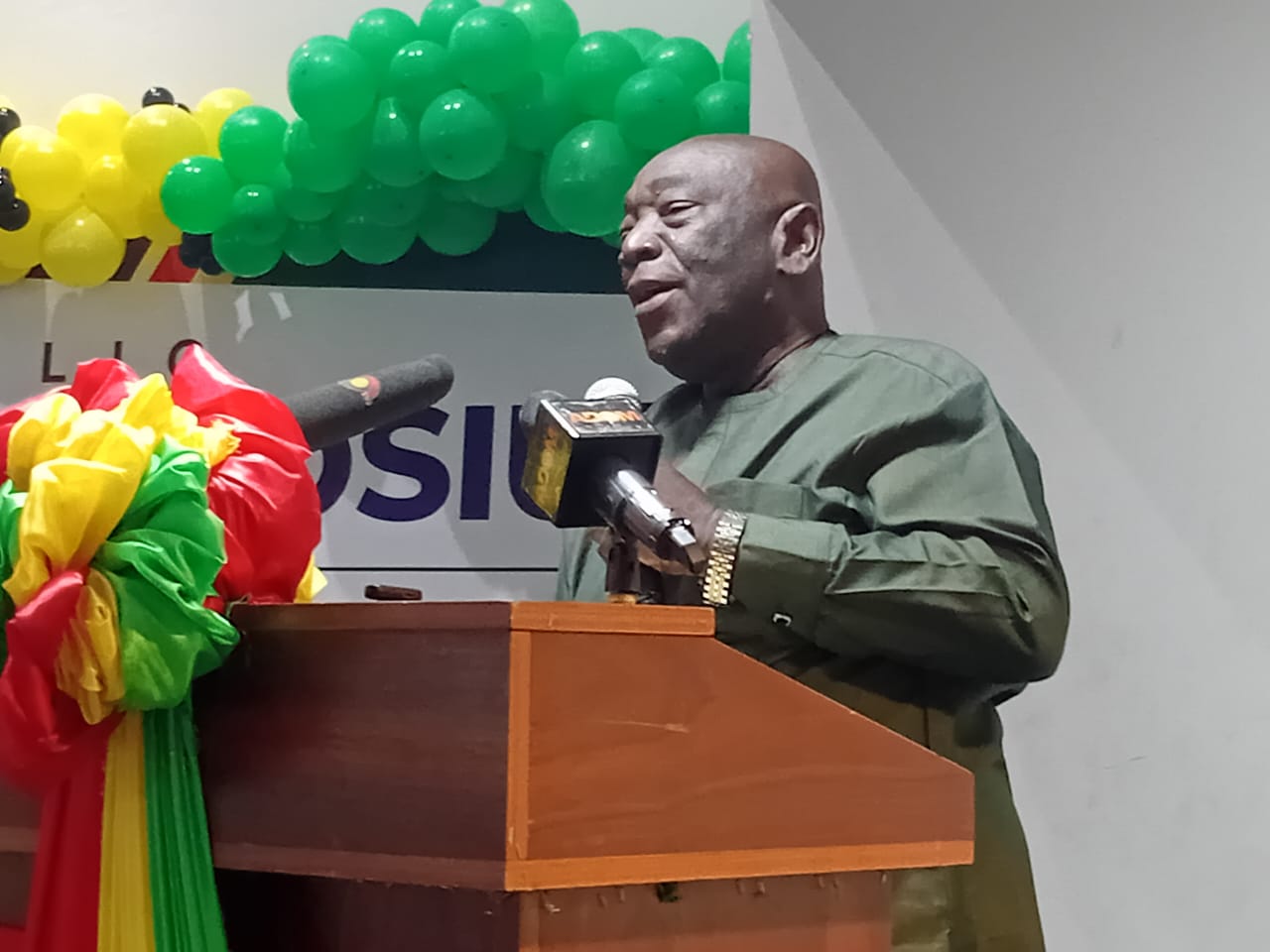
However, the immediate past Executive Secretary of the National Labour Commission, Justice Asuman-Adu, disagreed with Mr Ansah’s position, insisting that the Commission only resorts to the courts when labour unions fail to comply with established procedures.
“We at the Commission are also worried when labour unions flout the rules. In such cases, we will secure court injunctions,” he said.
Justice Asuman-Adu explained that where employers or government institutions fail to comply with directives issued by the Commission, labour unions are expected to return to the Commission instead of embarking on strike action.
“For example, if government does not comply with the directive of the Commission, the unions should report back to the Commission. If they choose to strike instead, the Commission will go to court,” he explained.
The differing positions highlight the ongoing debate over the balance between protecting workers’ right to strike and ensuring compliance with Ghana’s labour laws.