
The Electricity Company of Ghana (ECG) is raising renewed concern over a growing safety risk tied to electricity usage patterns in homes and businesses.
They warn that the continued practice of exceeding approved load limits without notification could result in more frequent fire outbreaks and damage to electrical infrastructure if not addressed.
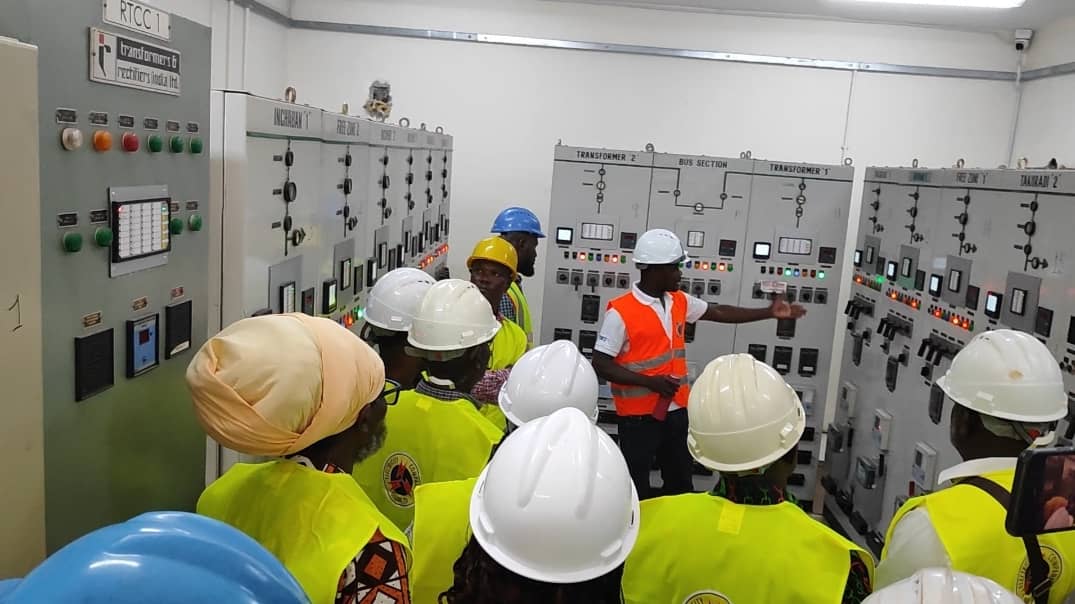
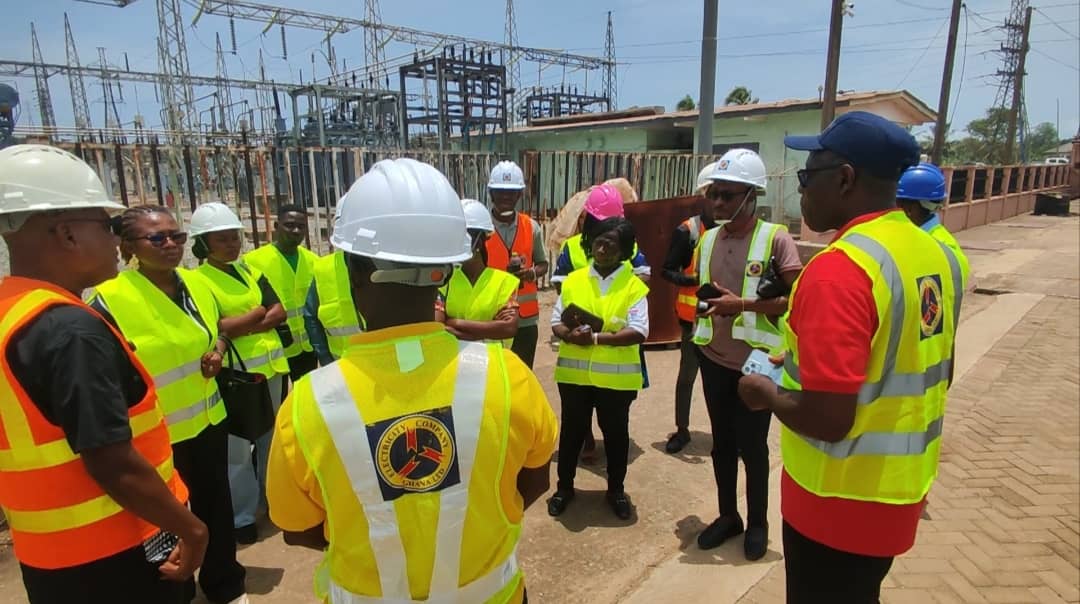
Western Regional General Manager of ECG, Emmanuel J. Ofori, raised the concern during a media engagement at the Ketan Bulk Supply Point, where journalists were briefed on operational challenges and system performance within the region.
Electricity distributed across the Western Region is sourced from the Ghana Grid Company (GRIDCo), transmitted through Bulk Supply Points (BSPs), and routed through primary substations where voltage is stepped down before final distribution to end users.
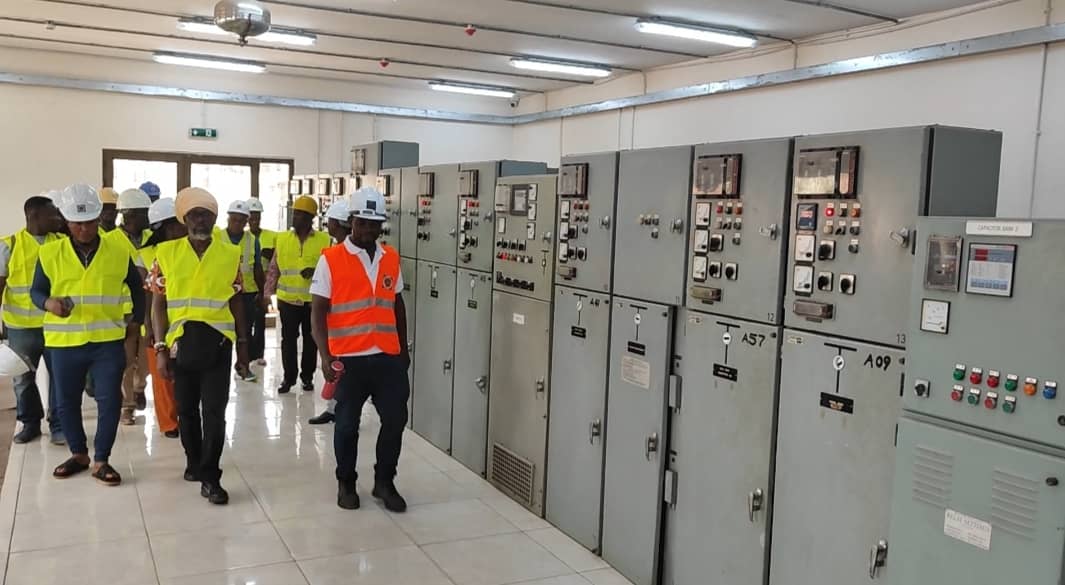
This multi-stage process, while designed to ensure stable delivery, is sensitive to both environmental conditions and consumption patterns at the consumer level.
According to Ing. Ofori, vegetation interference remains a recurring cause of outages, particularly during the rainy season.
“Transmission lines that traverse forested and semi-urban areas are often exposed to overgrown trees and bamboo. During storms, contact between vegetation and live lines can trigger faults, leading to automatic shutdowns as a protective measure for the network. Routine vegetation control exercises are therefore undertaken to clear growth along transmission corridors and reduce disruption risks,” he said.
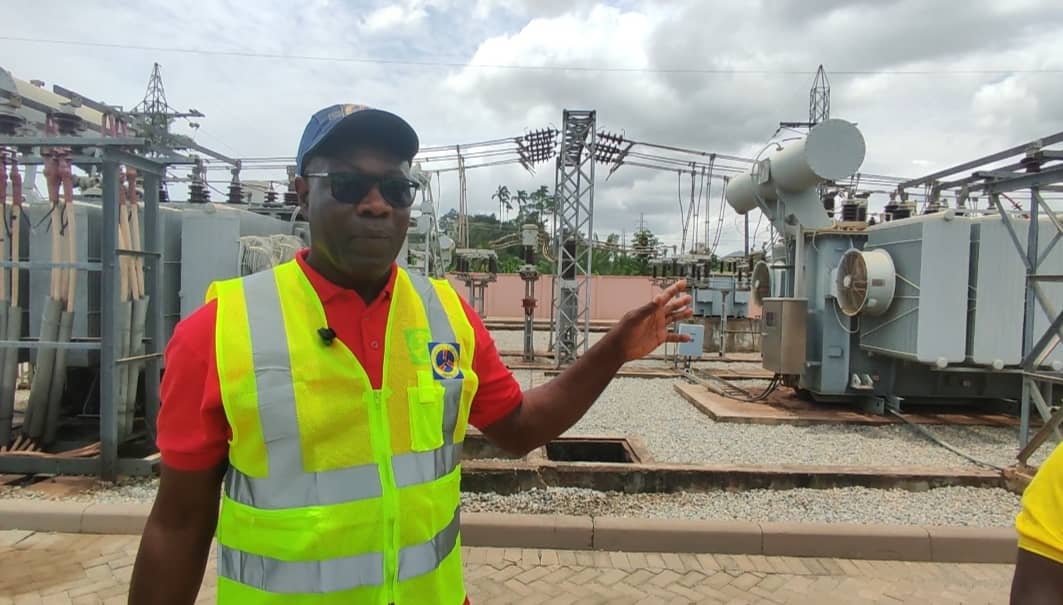
The briefing also highlighted infrastructure strain at the Bogoso Bulk Supply Point, which supplies electricity to communities including Bogoso, Asankrangwa and adjoining areas.
The facility is currently operating under increased load demand, contributing to intermittent supply challenges in parts of the Amenfi East and Amenfi West districts.
To mitigate the situation, the Regional Manager said ECG is constructing an additional line from the Prestea Bulk Supply Point to the Bogoso BSP. The project is expected to redistribute load and improve supply stability upon completion within an estimated one-month period.
“Beyond these infrastructure and environmental factors, a significant portion of operational stress to unregulated increases in consumer electricity demand. Customers are required to declare their expected load at the point of connection; however, subsequent increases—often driven by the addition of high-consumption appliances—are frequently not reported,” he indicated.
He added that the standard single-phase meter installed in most residential properties is designed to handle approximately 80 amps. “Exceeding this capacity without corresponding upgrades to meters and service cables can result in overheating, insulation failure and, in documented cases across urban centres, electrical fires linked to overloaded systems.”
While the company undertakes periodic upgrades of transformers in response to community-level demand growth, it maintains that compliance at the household and business level remains a critical factor in maintaining system integrity.
Rapidly expanding communities such as Wassa Kwabeng were cited as areas where unmanaged demand growth could place additional strain on existing infrastructure.
Nevertheless, he reiterated the company’s ongoing efforts to enhance service delivery and called for sustained public education on safe electricity usage, particularly adherence to approved load limits and timely reporting of increased demand to prevent avoidable incidents.