
To demonstrate his conviction that education remains the single most profound investment any society can make in securing its future, the Member of Parliament for Sekondi, Nyameke Blay Armah, has launched a GH¢3 million Basic Schools Renovation Project.
The project is aimed at improving teaching and learning conditions across the constituency.
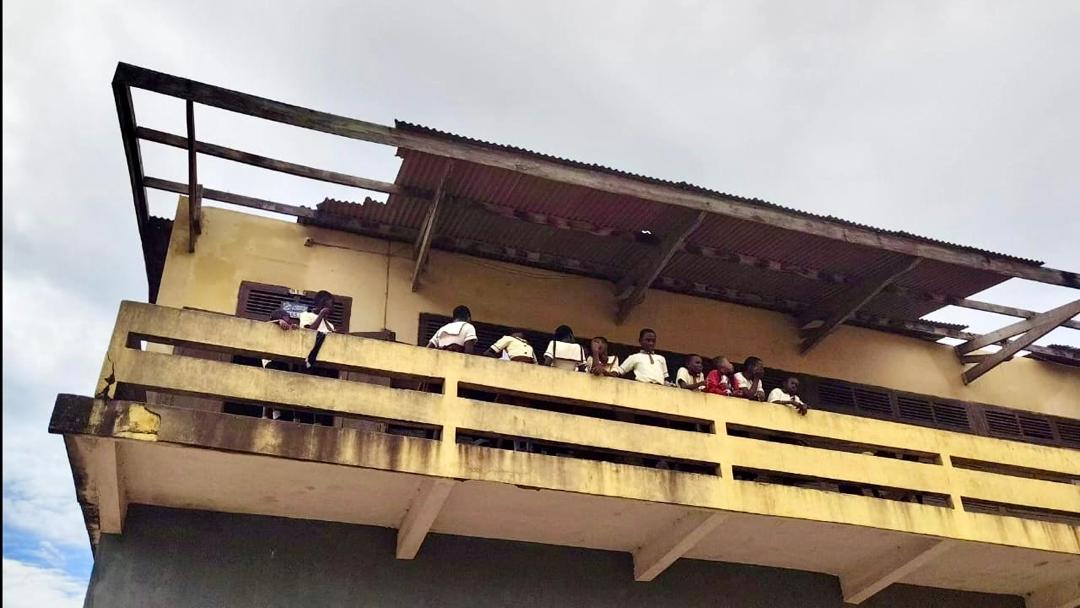
The initiative, which will officially commence with the renovation of the Old Hospital Basic School in Sekondi, forms part of a broader vision by the MP to strengthen the foundations of education and equip the next generation with the skills, knowledge and opportunities needed to drive, not just Sekondi but national development.
“In a rapidly evolving world where knowledge and skills increasingly define economic competitiveness, investments in education remain among the most impactful decisions, I believe any leader can and should make,” he said.
He maintained that through his GH¢3 million intervention, he is making a bold statement that the future of Sekondi will be built not merely through physical development, but through the education, empowerment and advancement of its people.
“It is my deliberate effort to motivate young learners, empower teachers, and produce the critical human resource capital required to harness opportunities and guide future generations of professionals, innovators, entrepreneurs and leaders from the Sekondi Constituency.”
The first phase of the renovation programme will cover five schools that have for decades faced infrastructure challenges and will include the Old Hospital Basic School, the Chief Ibrahim Basic School, the St. Peter’s Basic School, the Rev. Griffon Catholic Basic School and the Boundary Road STMA/3rd Street (Edenkesim) Basic School.
The renovation works will focus on rehabilitating deteriorating school structures, improving classroom conditions, enhancing safety standards and creating a more conducive environment for effective teaching and learning.
Mr Blay Armah explained that the intervention is premised on the country’s continuous pursuit of quality education as a critical pillar of national development, and in line with the United Nations Sustainable Development Goals (SDGs), particularly Goal Four, which seeks to ensure inclusive, equitable and quality education for all.
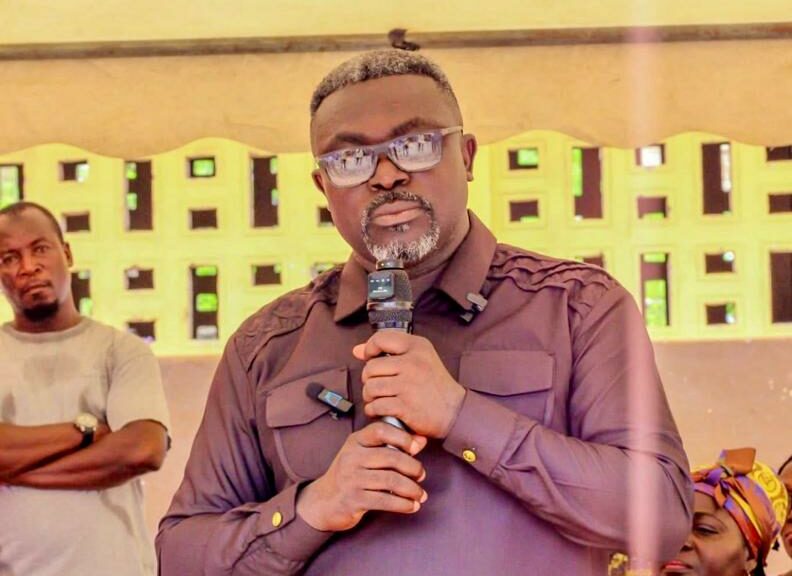
“I firmly believe that access to quality learning environments significantly influences academic performance, student retention and overall educational outcomes. Unfortunately, across many communities, inadequate infrastructure remains one of the major impediments to effective teaching and learning. Therefore, making targeted investments, like the one I am making, in school facilities is essential to achieving national educational outcomes.”
He stressed that by committing substantial resources toward the rehabilitation of public basic schools, he is “contributing to efforts aimed at addressing educational inequalities” and ensuring that children “regardless of their socio-economic backgrounds” have access to safe and inspiring spaces in which to learn.
“Beyond the immediate physical improvements, it is my hope that this investment will boost morale among teachers and students, encourage regular attendance, and foster an atmosphere where academic excellence can flourish in this historical town of Sekondi.”
The GHC3 million initiative amplifies a consistent pattern in the MP’s approach to educational development as he insisted that the investment should be viewed as part of a broader and sustained commitment to human capital development in Sekondi rather than being driven by political expediency or short-term considerations.
Parents and school administrators who attended the launch welcomed the initiative and described it as a timely intervention that responds directly to longstanding concerns about the state of some public basic schools within the constituency.
By Eric Yaw Adjei