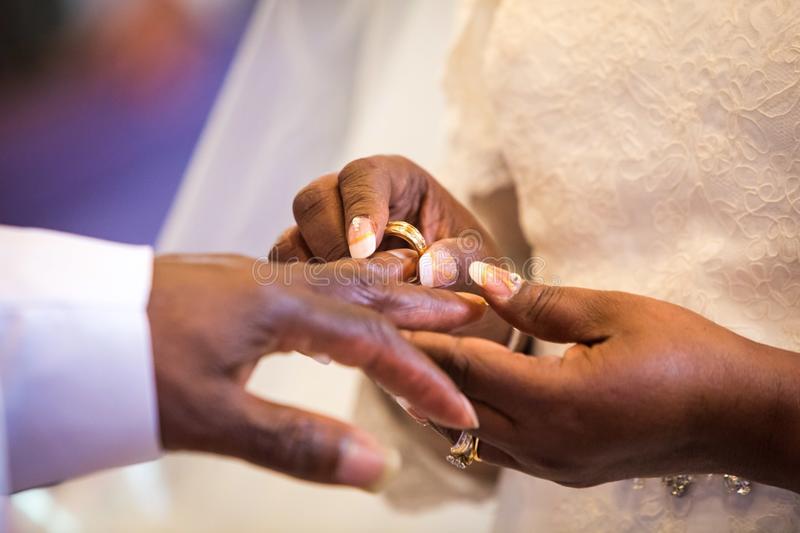

Thousands of Ghanaians marry each year, yet it seems that marriage, which was once seen as an early milestone in life, is now coming later for many young adults.
Demographic data in 2022 shows that the median age at first marriage for women in Ghana has risen to about 21 to 22 years, up from below 19 in the late 1980s.
Men, on average, are marrying even later; often in their late twenties or early thirties.
For many young Ghanaian adults, the delay is not about choice alone, it is about affordability.
From rent and utilities, to food, transport and the cost of a wedding itself, the rising cost of living is forcing many young Ghanaians to rethink when they are financially ready to marry.
Some say although they wish to get married, love is no longer enough and argue that financial readiness and stability now come first.
Others also argue that the new age of women empowerment in terms of education and work ambitions has contributed to the delay.
Education is also playing a role. With more young people spending longer years in school and pursuing careers, marriage is no longer rushed, especially in urban areas where the average age is even higher.
A sociologist at the University of Ghana, Professor Peace Mamle Tetteh says beyond economic factors, cohabitation is also a practice that has contributed to the rise in age of marriage. She notes that, as unmarried couples tend to live together before marriage, hence doing everything that married couples do, there is little motivation for them to make the decision to marry.
While the overall age at marriage is rising, early marriage has not completely disappeared.
A number of girls still marry before the age of 18, particularly in rural and economically disadvantaged communities, a stark reminder that although the age of marriage rises, child marriage is still very much prevalent.
Yet, the broader picture suggests a paradigm shift; marriage is no longer simply a cultural expectation associated with age, but a decision shaped by financial capabilities, education, and individual readiness.
For many young Ghanaians, the question is no longer when they should marry, but whether they can afford to.