
The xenophobic attacks in South Africa are a big disgrace to the African continent, legal practitioner Kofi Bentil has said.
He says South Africa must be made to pay dearly for this issue.
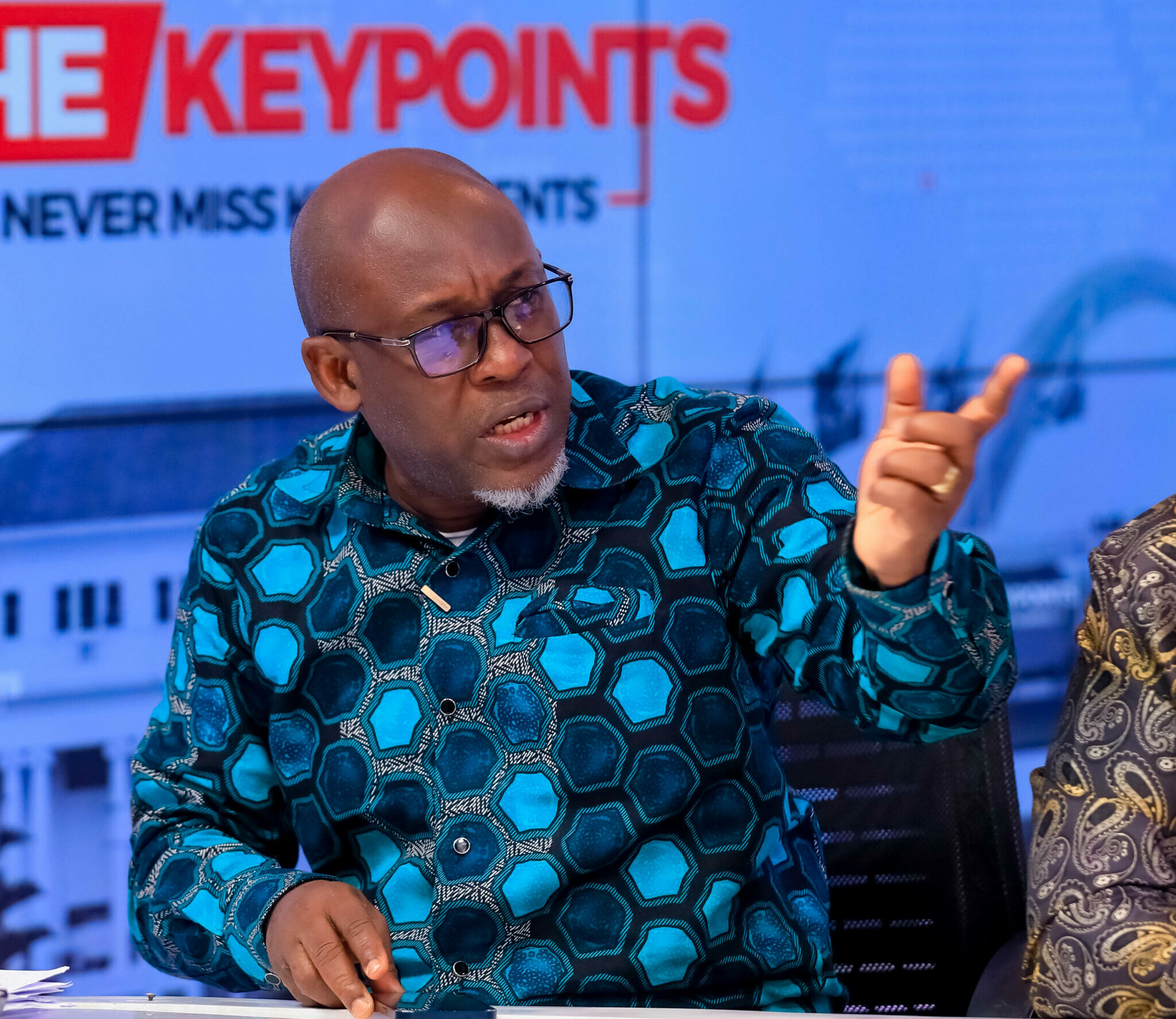
“We should not allow the South Africans to go away with this. What is happening is a big disgrace to the African continent,” he said on the Key Points on TV3 Saturday May 30.
Kofi Bentil further said that Ghanaian authorities must respond to the xenophobic attacks on its citizens in South Africa in a way that hurts the most.
He argued that this would send a signal to the South Africans that attacking foreign nationals is not the way to go.
“Let’s hit them where it hurts the hard so that the next time it happens they will think twice that Ghaains will react,” he said.
Kofi Bentil further described the African Union (AU) as a useless body in the wake of the xenophobic attacks in South Africa.
He said the body is a disappointment because it has not been able to address such issues.
He argued that the AU could have used labour issues to force South Africans to respect citizens of other countries.
“South Africa has failed. What they have to do, they should do it in South Africa to address the issue; they are a woeful, disgraceful failure.
“They have not done a good job of lifting themselves out of poverty. The AU is a sorry disappointment; it is useless.”
Another legal practiti oner, Martin Kpebu said that the President of South Africa and other South African leaders have to be brought to book following the xenophobic attacks.
Kpebu blamed the attacks on leadership failures.
“It is a failure of leadership; Cyril Ramaphosa has to be brought to book. Cyril Ramaphosa and his people must be reined in; they must pay dearly for this,” he said on the Key Points on TV3 Saturday May 30.
For his part, a member of the communications team of the New Patriotic Party (NPP), Kwasi Kwarteng attributed the xenophobic attacks to systemic failures in South Africa.
He says the South African authorities have not been able to address the issue of joblessness and housing.
Therefore, the people are making scapegoats of foreign black nationals for their systemic issues, he said.
“There is a systemic problem in South Africa. They scapegoat foreign black nationals to cover the structural inefficiencies in their system,” Kwarteng also said on the Key Points.
He stressed “South Africa’s xenophobia is a symptom of deeper structural problems, not the cause of them. Even if every foreign national left South Africa today, the country’s structural challenges would remain.”
For his part, an international relations expert, Professor Lord Mawuko-Yevugah, said that the South African leadership has done very little to address the issue of xenophobic attacks.
Prof Mawuku-Yevugah described the situation as sad.
“Xenophobia has become an annual affair, and it’s sad that the leaders of South Africa have done very little to fix this problem.
“I wonder whether the South African people appreciate the sacrifices other African Countries had to undertake to ensure they were liberated from colonial Apartheid,” he said on the Key Points on TV3 Saturday, May 30.
He further stated that the attacks on Ghanaians leading to the evacuation will be a scar on the minds of Ghanaians for quite some time.
He commended the government of Ghana for evacuating Ghanaians willing to leave South Africa.
“This demonstrates that a sovereign state has a responsibility for its citizens, so it is commendable that the government brought them,” he said.
The first batch of Ghanaians being evacuated from South Africa touched down at the Accra International Airport on Wednesday, May 27, aboard an Ethiopian Airlines flight.
This was the beginning of a government-led repatriation exercise aimed at ensuring the safety of Ghanaians caught in the crossfire of renewed hostility against foreign nationals in parts of South Africa.
In a short statement on his X page, Mr Ablakwa said that “Osagyefo Kwame Nkrumah must be proud of us. More evacuation flights next week. For God and Country.”
A total of 300 Ghanaians were on board the initial flight and were met on arrival by senior government officials, including Minister for Foreign Affairs Samuel Okudzeto Ablakwa and the Chief of Staff, who led the official reception at the airport to welcome the evacuees back home.
The National Disaster Management Organisation (NADMO) was also present and presented the returnees with a relief package comprising food and non-food items to provide immediate support while the government finalises a more comprehensive reintegration programme. The broader package is expected to include financial assistance, business startup registration support, and a range of other resettlement interventions designed to help the evacuees rebuild their lives.
The evacuation exercise, coordinated through Ghana’s diplomatic mission in South Africa in close collaboration with the Ministry of Foreign Affairs, comes against the backdrop of growing fears among Ghanaians living and working in South Africa, following renewed reports of attacks, intimidation, and hostility directed at foreign nationals in the country.
Authorities had originally announced the start of the evacuation for Thursday, May 21. However, the process was temporarily delayed after a far higher number of Ghanaians registered for evacuation than officials had initially anticipated. The surge in registrations required a review of logistical arrangements, including flight coordination, travel documentation, and accommodation planning.
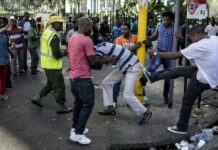
South Africa has experienced repeated cycles of xenophobic violence over the years, with foreign nationals, particularly those from other African countries frequently targeted during periods of economic frustration and social unrest. Some of the most severe episodes date back to 2008, with further outbreaks recorded in 2015 and 2019, each time drawing widespread condemnation from governments across the continent.
Ghanaians on board Wednesday’s Ethiopian Airlines flight described an atmosphere of fear in the communities they left behind, with many saying they felt they had no choice but to return home.
Officials say additional flights are being arranged to bring home more Ghanaians who have registered for evacuation assistance.