
As the government intensifies its peace enforcement efforts in the conflict-prone town of Bawku, security analyst Dr. Ishmael Norman is raising concerns about the mental well-being of the military personnel deployed to the area.
Speaking on the KeyPoints on August 2, Dr. Norman welcomed the proactive approach by government to prevent the spread of conflict beyond Bawku, describing the operation as necessary for national security.
But while commending the overall intention, he expressed strong reservations about what he described as a “critical blind spot” in the operation, the emotional and psychological state of the soldiers tasked with keeping the peace.
“We deploy the soldiers because they are soldiers. But we need to treat them also as human beings,” Dr. Norman said.
“They need help. They need psychological intervention in the field and after the event. We don’t do any of it.”
Over 400 security personnel are currently deployed in Bawku under a presidential directive to restore calm in the Upper East Region.
The government argues that ensuring stability in Bawku is essential to preventing further unrest across the country.
According to Dr. Norman, this strategy is understandable, but incomplete.
“If we don’t handle this one well, the center of the conflict could spread. That’s why government is being proactive. And I support that. But what about the soldiers’ families? Who is taking care of their wives, their children, their fear?”
He also questioned whether any trained psychologists had been deployed along with the troops, arguing that without emotional and mental support, the stress of the operation could leave soldiers vulnerable to acting out or making fatal errors.
“Before they themselves become weaponized and react in a very negative way to the people they’re there to support and protect, we must do better,” he warned.
Dr. Norman further noted that conflict has stifled economic activity in Bawku and risks creating ripple effects across the country if not addressed urgently.
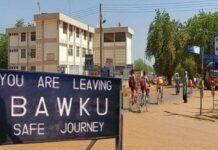
The region, once a bustling transit hub, has become largely inaccessible due to violence, scaring away investors and disrupting local livelihoods.
“Bawku has become a no-go area for many. Which businessman or woman is going to invest there now? Nobody,” he said.
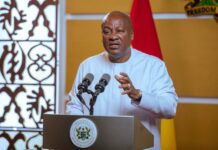
Despite the challenges, he praised President Mahama’s efforts, noting that the current administration is “doing its best” to reposition Ghana as a country open for business and stability.
But he insists that achieving this goal means investing not only in weapons and logistics, but also in the well-being of security personnel.
“There should be a lot more, not just giving them ammunition and food and water, but real care,” he said.
“They are human. They carry the nation’s trauma.”
Dr. Norman also touched on the rules of engagement for troops who may face hostility from the communities they’re protecting.
“When you are protecting people and they turn against you, the law allows you to shoot. And I will be one of the first people to support that idea.”