
Ghana is often celebrated as a beacon of stability in West Africa, but recent developments remind us just how fragile that peace can be.
The renewed violence in the Bawku Traditional Area in the Upper East Region has once again thrust the nation’s longstanding chieftaincy tensions into the spotlight.
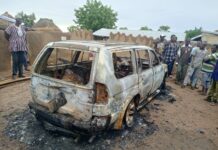
In just one week, the community witnessed the tragic killing of a Kusaasi chief and three innocent high school students after unknown gunmen attacked a school compound.
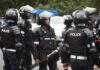
These events prompted the Ghanaian government to urgently deploy more soldiers to the northeast and enforce a strict curfew. The swift and intensified response was a clear signal of how serious the security threat had become.
The conflict in Bawku is not a new one. It is rooted in a historical dispute between the Mamprusi and Kusaasi ethnic groups over who has the rightful claim to the title of Bawku Naba, or chief of Bawku.
This issue has been simmering since independence in 1957 and has, over the years, resulted in intermittent violence, displacement, and deep mistrust between the two communities.
Many peace efforts have been made in the past, with various traditional and government leaders stepping in to calm tensions. But the resurgence of violence, especially involving schools and young people, underscores how fragile those peace accords are and how quickly they can unravel without sustained dialogue and genuine reconciliation.
At the heart of these matters lies a common problem: the erosion of respect for traditional mechanisms of conflict resolution. Ghana’s chieftaincy system, while deeply rooted in heritage, operates within a modern democratic state guided by constitutional law.
When disagreements among chiefs are taken to the public arena instead of being resolved through established institutions and private dialogue, it undermines the entire system. It also sends a dangerous message to communities that violence or public confrontation might be acceptable ways to settle disputes.
These are not isolated events. History has shown how chieftaincy disagreements, if left unresolved, can spiral out of control.
In 2002, the tragic murder of the Yaa Naa Yakubu Andani II in Dagbon led to nearly two decades of division and unrest in the Northern Region. That conflict resulted in numerous deaths, displacement of families, and long-term political tension until a peace accord was finally reached in 2019.
Similarly, recent violence near Gbimsi and Walewale in 2024, tied to Bawku-related tensions, left at least eight people dead and disrupted travel, security, and even political campaigning in the region.
Such violence does not just affect those directly involved. It pulls scarce government resources into military deployments, affects school attendance and education, disrupts local economies, and breeds fear and mistrust between neighbors.
Youth in these regions, already battling unemployment and poverty, may be lured into taking sides or even arming themselves. This deepens divisions and creates cycles of conflict that are harder to break.
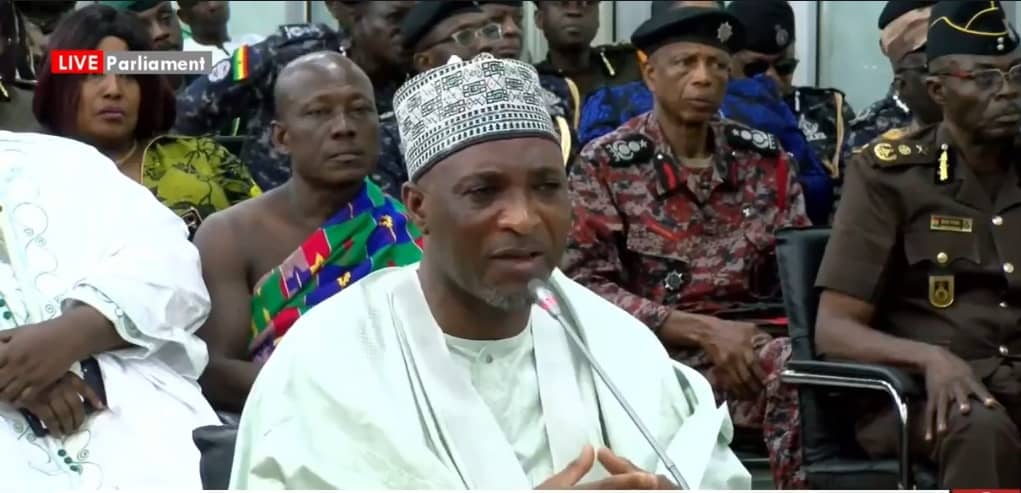
However, this is not the time for despair. Ghana faced similar challenges before and overcame them through leadership, unity, and respect for both tradition and the law. To move forward, the National House of Chiefs must play a more active and visible role in resolving high-profile disputes.
Their authority, rooted in tradition and respected across regions, gives them the unique ability to guide chiefs back to dialogue and mutual understanding.
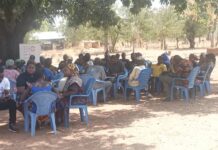
In the case of Bawku, traditional leaders from both sides must be encouraged to return to the peace table, with the support of civil society, religious institutions, and neutral mediators.
Local youth groups, schools, and community leaders should be engaged in peace education, reminding young people of the power of unity and the cost of division.
National campaigns using local radio, religious sermons, and school curricula can help spread this message.
The government, for its part, must ensure that justice is served in all cases of violence. At the same time, authorities must be careful not to over-militarize conflict zones, as this can alienate residents and lead to further resentment. Any action taken must aim at long-term peacebuilding, not just short-term order.
The people of Ghana need reassurance. They need to hear, clearly and consistently, that their leaders, traditional and political alike, are working not to divide but to unite.
Ghana has long been admired for its peaceful democratic transitions, its hospitality, and its cultural richness. These qualities must not be sacrificed at the altar of unresolved traditional grievances.
In times of uncertainty, it is natural for people to feel afraid. But history shows that Ghanaians are resilient, and their love for peace has always triumphed over division.
With honesty, humility, and commitment, the country can navigate these challenges and emerge stronger. The fabric of Ghana’s peace may be under strain, but it is not torn. It is in everyone’s hands to mend it together.