
The Minister of State for Climate Change and Sustainability, Seidu Issifu, has expressed deep concern over the worsening effects of climate change on Ghana and the broader Sub-Saharan African region, particularly its devastating impact on water, sanitation, and hygiene (WASH) systems.
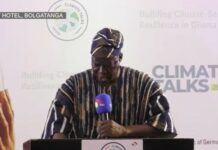
Speaking at the WASH4Climate Summit held in Accra on Wednesday, August 27, 2025, the Minister cited findings from recent Climate Vulnerability and Risk Assessments conducted in five northern districts Bongo, Kassena-Nankana Municipal, Kassena-Nankana West, Nabdam, and Bawku West which reveal a troubling link between poor sanitation and public health outcomes.
“About 70 per cent of diseases in Ghana stem from poor sanitation,” Issifu said, “and polluted water sources are responsible for approximately 1,000 deaths of children under five each year. These numbers are not just statistics, they represent lives lost and communities at risk.”
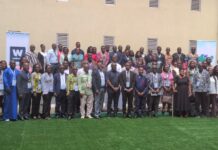
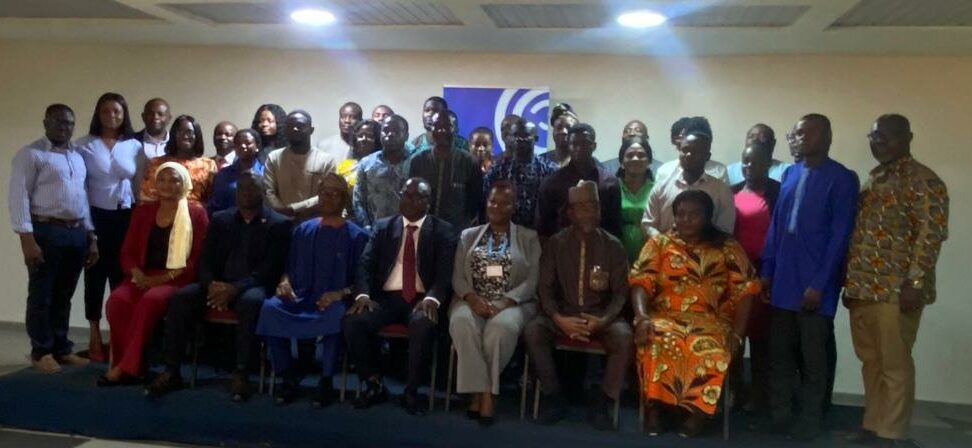
The summit, organized by WaterAid Ghana and its partners, brought together key stakeholders, including government officials, development partners, civil society organizations, researchers, and community leaders.
Held under the theme “Strengthening WASH Resilience through Climate Risk and Vulnerability Assessment and Local Adaptation Planning,” the event focused on how local data and solutions can drive national climate adaptation efforts.
He stressed that the impacts of climate change, such as droughts, contaminated water sources, and extreme flooding are already destroying WASH infrastructure and leaving the most vulnerable populations, especially women and children, at greater risk.
In response, the Minister announced a series of strategic initiatives by the government, including the establishment of a Climate Change and Sustainability Hub, aimed at coordinating research, policy, and innovation.
Additionally, Climate and Sustainability Units will be institutionalized across all Ministries, Departments, Agencies, and local government structures to ensure climate action is embedded across sectors.
“We are not treating climate change as an isolated issue. We are integrating it into our national planning, from health and education to agriculture and WASH,” he emphasized. “This is how we ensure climate resilience becomes part of our national DNA.”
He further called on development partners to support Ghana with the resources needed to scale up climate smart WASH infrastructure, and challenged the private sector to invest in innovative, sustainable technologies that can withstand environmental shocks.
Mr. Issifu also praised the role of youth and women, describing them as central players in creating inclusive and sustainable WASH solutions.
“You are not bystanders, you are leaders in this movement. Your creativity and energy will help us build systems that are resilient and equitable,” he said.
The summit concluded with a round table discussions and calls for stronger partnerships, increased climate financing for WASH, and a collective commitment to implement localized adaptation plans that reflect the realities and needs of communities on the frontlines of climate change.
Ghana lost over $195m to floods in 2020 – Climate Change Minister