
The Western Regional Anti-galamsey Task Force has reiterated that it will not relent in its efforts to combat illegal mining. The team says no amount of intimidation or black magic ‘juju‘ will stop their operations.
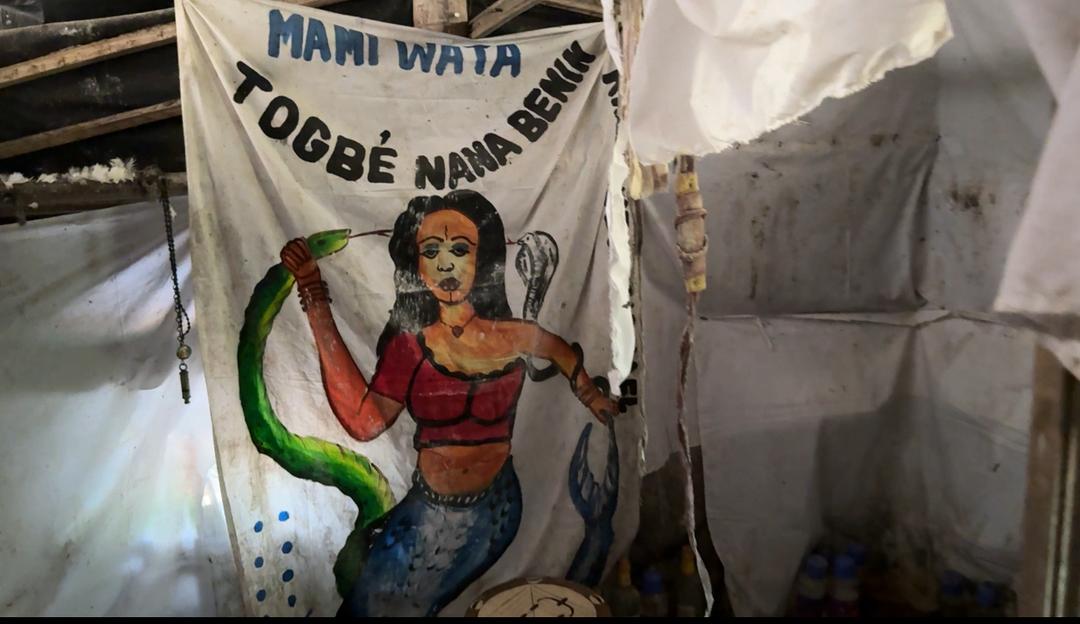
This comes after the Task Force discovered a shrine within a makeshift structure on the banks of the River Ankobra during a recent operation.
Meanwhile, the Western Regional National Security Liaison Officer, Brigadier General Musah Whajah (Rtd), advised that they will not rest until they see significant improvement in the Ankobra River’s condition.
However, would the same set of spiritual beliefs apply to foreign nationals? Armah Kwofi Nyemeke offered this explanation: “This is accurate. In instances where deities attempt to obstruct their mining operations, the Chinese miners have been known to capture these gods in order to obtain access.”
During a joint riverine operation on the Ankobra River, personnel from the Western Regional National Security and the Western Naval Command made a surprising discovery on Wednesday, September 17, 2025.
While inspecting makeshift structures along the riverbank, the team encountered a shrine dedicated to Maame Wata, known locally as Togbe Nana Benin.
In a striking turn of events, the fetish priest attending the shrine abandoned his post upon seeing the security officers, fleeing the scene without any attempt to use the spiritual powers he was believed to possess.
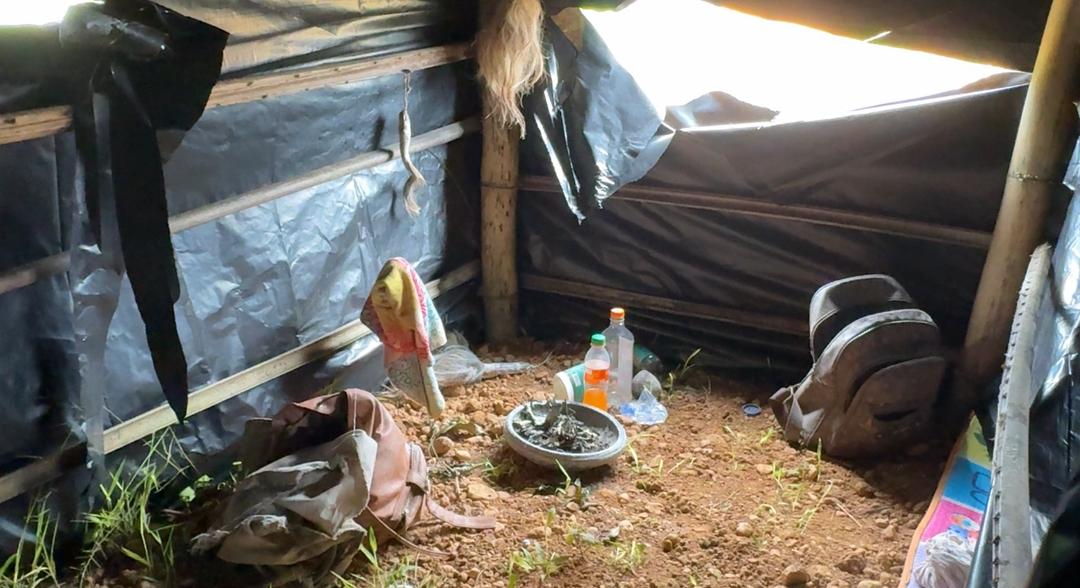
The naval officer said “this room is designated for the mallam or juju man. You’ve escaped, yet you’re supposed to wait and meet with us. We don’t have time for this; we only answer to God. You’re running away? Next time, we expect to see you with the juju.”
In a room allegedly used for purification rituals, they found a list prescribing ritual items for a client, including: One Sheep, One Goat, Six Fowls, One Guinea Fowl, 3,000 cedis worth of cowries and an additional cash payment of GHC 300.00.
Near the shrine, two sheep and one fowl were tethered, presumably awaiting sacrifice.
This discovery raises a compelling question: Will such potent spiritual symbolism instill fear in the anti-illegal mining task force, or will it strengthen their resolve?
“This is where they consult the gods—their operating bed, so to speak. That’s the Maame Wata shrine. They believe that by doing this, they’ll be granted more gold, but in reality, they’re destroying our water bodies. We won’t forgive them; we’ll destroy everything.
“Wherever their gods reside, we’re ready to confront them. We’ve encountered various rituals white sheep, white fowls, and other things but we won’t back down. We’ll take them down and move forward,” the naval officer stated.
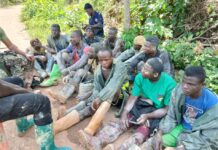
The role of spiritual backing, or juju, in mining remains a topic of debate. To explore this, the news team gathered the perspectives of these miners, who expressed diverse views on the matter.
Blay Miezah says “It is true that no land is truly empty; it belongs to the chiefs. However, as spirits reside upon it, we must first consult the priest to understand the necessary rituals for a site before any work can commence.”
However, Francis Kaku holds a differing view. “Since it was Almighty God who created all that is under the earth including gold, I do not subscribe to the local spirituality and rituals required before mining. This is based on my observation of numerous individuals who performed such rituals with no improvement in their fortunes.”
Despite the severe turbidity and known dangers of the Ankobra River, many residents along its banks have no choice but to rely on it for their daily needs.
There are other means through which the rivers are polluted apart from the galamsey activities, including openly defecating into it. Daavi Akorfa, who sells Banku from a makeshift stall to illegal miners in the area was worried about the situation.
“This is the water we use daily. We fetch it and add alum to purify it before using it for both cooking and drinking,” she said.
After long hours of patrol on the Ankobra River, one key observation from the operation was a shift in tactics by the illegal miners.
They have moved their primary operations away from the top of the river and its banks. Instead, they are now channeling wastewater directly into the river, a method that is causing even more severe pollution.
In response, the leader of the riverine team, Brigadier General Musah Whajah (Rtd.), reaffirmed their commitment, stating, they will not rest on their operations until they see significant improvements in the health of the Ankobra River.
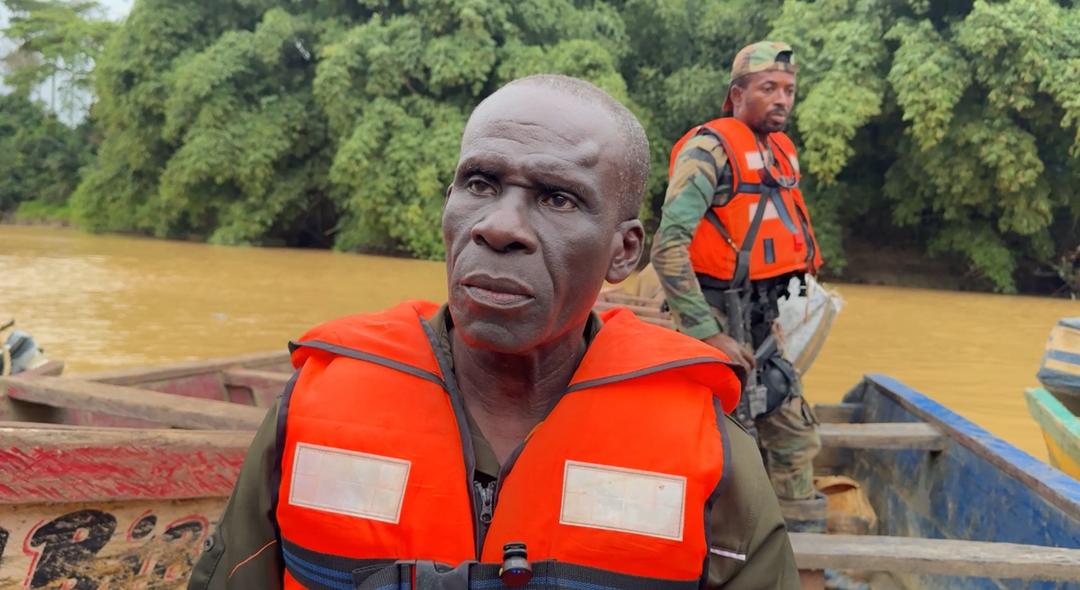
“Sustaining regular patrols on the River Ankobra is crucial, and I’m confident that with this effort, the river can be restored.
“We need to identify and block all areas where pollutants are entering the river, as unchecked activities like sand washing will continue to cause problems. We’ve already identified a few hotspots and aim to uncover those involved.
“Blocking these sources is essential for cleaning the river’s surface. I’m convinced that regular patrols can solve this issue once and for all.”
As Western Regional National Security operatives and naval personnel conducted a riverine operation on the Ankobra, a simultaneous land-based operation was underway onshore at the Gwira enclave, led by a team from NAIMO.
By Ebenezer Atiemo