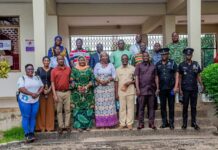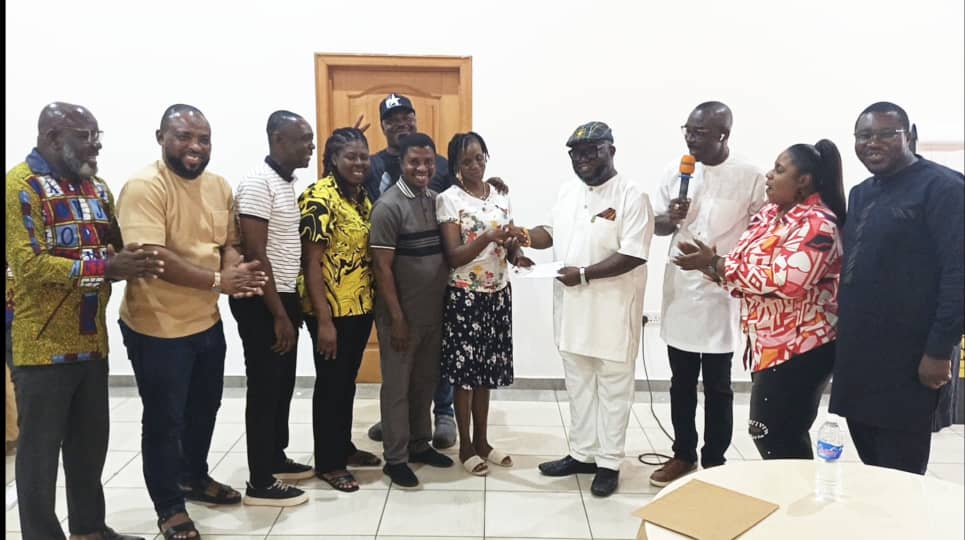

In a strategic move to reshape public discourse around one of Ghana’s most critical economic sectors, the Ghana Journalists Association (GJA) and the Ghana Chamber of Mines have launched a pivotal capacity-building initiative for journalists.
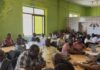
The workshop, held in Kumasi, transcends conventional training, positioning itself as a foundational step towards fostering a media corps capable of driving informed, balanced, and impactful dialogue on the mining industry.
The collaboration signals a recognition from both industry and the Fourth Estate as well as to foster accurate, balanced, and impactful reporting on Ghana’s mining sector.

Key addresses were delivered by the President of the Ghana Chamber of Mines and the President of the GJA, Albert Kwabena Dwumfour.
During the event, speakers highlighted the importance of responsible mining practices in Ghana, emphasizing its crucial role in national development. The workshop aimed to provide journalists with a deeper understanding of the mining industry beyond basic extraction and revenue figures.

Participants were encouraged to delve into the complexity of the sector, ranging from understanding mining licenses and operations to exploring environmental impacts and community development initiatives funded by mining companies.
The workshop also emphasized the importance of accurate and informed reporting to dispel myths and foster a more informed public debate.
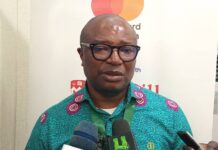
The Chief Executive Officer of the Ghana Chamber of Mines, Ing. Dr. Kenneth Ashigbey, urged journalists to advocate for a progressive legal framework that ensures a fair balance between attracting investments and safeguarding Ghana’s interests.
”Ghana needs a modern, competitive, and predictable legal and regulatory framework to fully benefit from its mineral resources” he emphasised.
Furthermore Ing. Ken Ashigbey urged the media to move beyond sensational headlines and build capacity to understand the technical intricacies of mining.
The Chamber pledged to work with journalists as partners in ensuring mining becomes a true engine of sustainable development, safeguarding the environment for future generations.
In his opening remarks, President of the Ghana Journalists Association (GJA) Albert Kwabena Dwumfour, framed the workshop as a “call to action” for journalists, highlighting their crucial role.