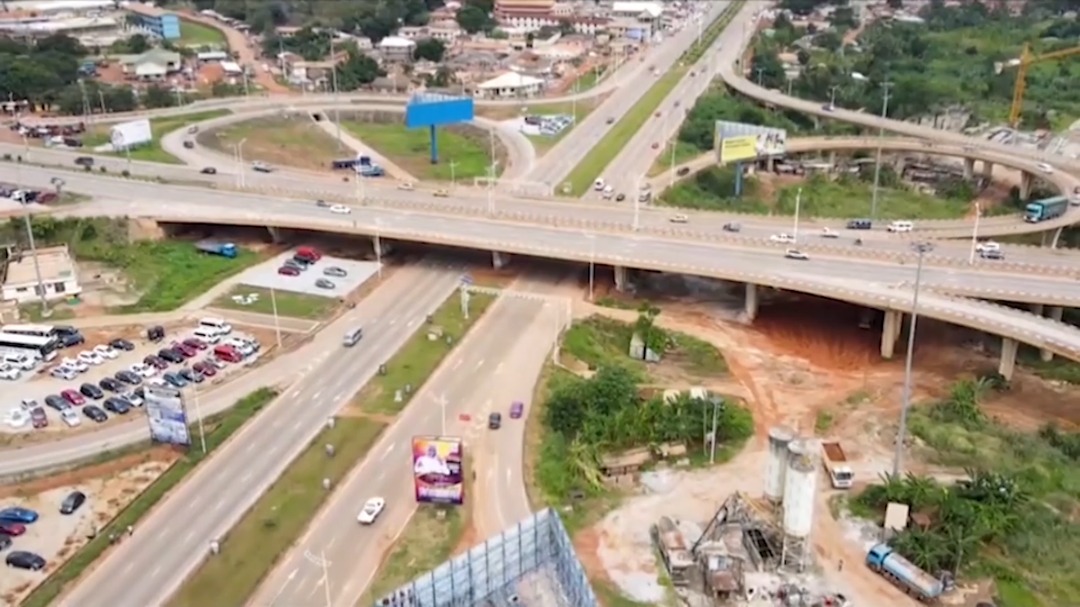

Key pedestrian underpasses on the Sofoline interchange project intended to ensure safe passage for commuters, have become a feared corridor of crime due to a critical lack of lighting, prompting action from authorities after a recent media exposé.
Residents and daily commuters have sounded the alarm over the persistently dark tunnel, which they say has been transformed from a safe crossing into a hiding place for criminals.
Reports of muggings, attacks, and harassment have become common in the tunnel, forcing many to risk crossing the busy surface road instead of using the designated underpass.

“The underpass is a no-go area after dusk. It’s completely dark, and you can feel the danger. We have heard too many stories of people being robbed at knife-point. It’s safer to dodge traffic upstairs than to walk through that tunnel.” shared by one commuter who wished to remain anonymous.

The situation gained widespread attention after a report by Media General highlighted the security crisis, putting pressure on responsible agencies to act.
In a direct response, the Urban Roads Department together with the consultant for the Sofoline project has now moved to assess the situation.

During the assessment, the Ashanti Regional Director of Urban Roads, Ing. Naeem Iddrisu, acknowledged the problem and the urgency of the fix.

“The lights are all not working because the cables have been stolen. So, what we are discussing is to restore the lights by using solar. And when we fix the last light, we will partner with the Assembly to get permanent security guards to man the tunnel,” Ing Iddrisu said.

While a formal statement on the exact timeline for repairs is pending, the presence of the technical team signals a commitment to resolving the issue that has plagued the community for weeks.

For now, pedestrians remain optimistic, hoping that the authorities’ visit will quickly translate into well-lit, secure passage and restore the underpass to its original purpose of safety and convenience.