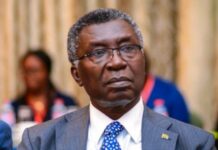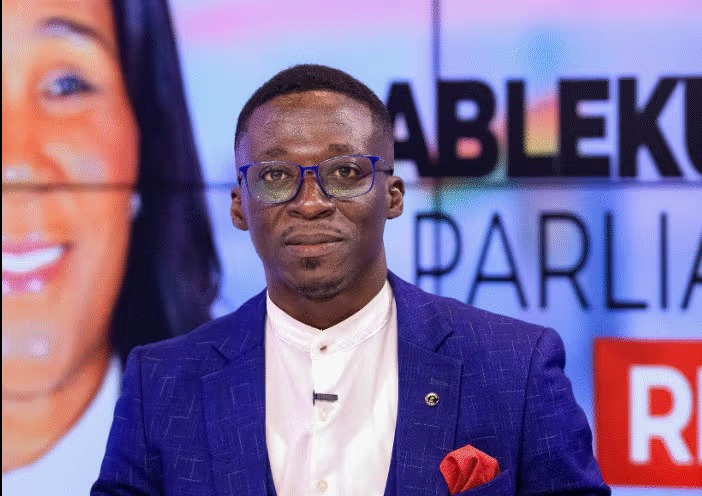

A private legal practitioner, Austin Kwabena Brako-Powers, has lauded President John Mahama’s planned engagement with civil society organisations (CSOs) on illegal mining, popularly known as galamsey, describing it as a significant step forward in the country’s fight against the menace.
According to him, the government’s latest move signals a renewed readiness to consider alternative and viable solutions to one of Ghana’s most persistent environmental and social crises.
“I am encouraged by the government’s latest initiative. It signals one clear thing: there is now a willingness to listen to alternative and viable solutions to address the devastating impact of illegal mining on our country,” Mr Brako-Powers said.
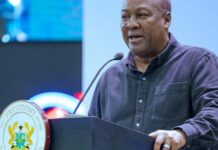
President Mahama is expected to meet selected CSOs, religious leaders, and advocacy groups on October 3, 2025, to deliberate on the fight against galamsey. The meeting, which will be held at 12 p.m., aims to build consensus, strengthen partnerships, and re-energise national efforts to tackle the illegal mining challenge.
Mr Brako-Powers said the decision to include CSOs in the dialogue was crucial, as it would ensure that government policy benefits from the expertise, field experience, and innovative ideas of non-state actors. However, he cautioned that the engagement must not become another talk shop.
“We must be honest with ourselves: convening stakeholders under one roof to discuss the galamsey crisis is one thing, but implementing the outcomes of those discussions is quite another,” he said. “Unless the resolutions from these engagements are put into action and seen through to their logical conclusion, such meetings will remain mere talk shops with no tangible results.”
The lawyer stressed that adopting recommendations from CSOs and other experts should not be misconstrued as a sign of governmental weakness. On the contrary, he argued, it would demonstrate strength and maturity.
“Implementing the ideas of CSOs or other well-meaning Ghanaians does not mean the government is bereft of ideas. Instead, it demonstrates strength — the strength of a listening government,” he added.
Mr Brako-Powers, however, expressed concern about the extent of the planned consultations, particularly whether political parties would also be engaged as part of the broader anti-galamsey strategy.
“What remains unclear, however, is the scope of these consultations — specifically, whether representatives of political parties, including those in Parliament and those outside of it, will also be involved. A truly holistic approach requires their input too, as I have argued before,” he said.
He emphasised that political parties have an important role to play in tackling the menace, given their influence on policymaking, resource allocation, and enforcement mechanisms. Bringing them to the table, he said, would make the solutions more comprehensive and sustainable.
Mr Brako-Powers further urged the government to ensure that all relevant stakeholders — including traditional leaders, local authorities, and affected communities — are part of the process, as lasting solutions would require a coordinated national approach.
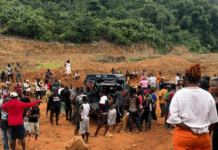
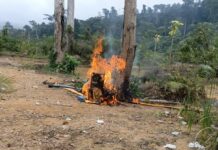
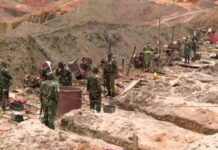
“The reality on the ground has only grown more alarming. Water turbidity levels continue to rise, food crops are being poisoned, and the death toll associated with galamsey sites is mounting. The situation is not improving — if anything, it is deteriorating,” he warned.
The upcoming engagement between President Mahama and civil society is seen by many observers as a pivotal moment in Ghana’s decades-long battle against illegal mining. Whether it leads to meaningful action, however, will depend on the government’s willingness to translate dialogue into decisive policy interventions.