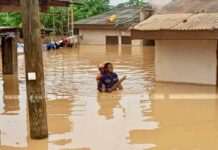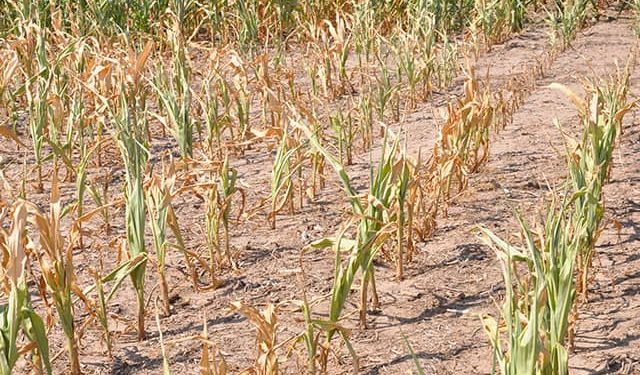

The Director-General of the National Disaster Management Organisation (NADMO), Major (Rtd) Dr. Joseph Bikanyi Kuyon, has projected that Ghana will experience less drought in the northern parts of the country and reduced flooding in the southern sector in 2026.
Speaking in an interview with TV3 on the achievements of the organisation, Dr. Kuyon noted that although the country recorded some unexpected rainfall this year, its impact was minimal due to effective disaster prevention and mitigation measures implemented by NADMO.
Traditionally, the southern sector of the country is prone to flooding during the rainy season, while the northern sector often suffers from prolonged drought.
However, Dr. Kuyon explained that this pattern has been gradually improving as a result of intensified preventive works carried out by NADMO, with strong support from the Regional Coordinating Councils (RCCs) and other stakeholders.
According to him, Ghana recorded fewer flood incidents this year compared to previous years, largely due to early warning systems, public education, desilting of drains, and other proactive interventions undertaken across flood-prone communities.
Touching on the northern sector, the NADMO Director-General said the region experienced relatively less drought, enabling farmers to sustain their agricultural activities.
He attributed this improvement to timely support measures and coordination with relevant agencies to assist farming communities affected by erratic weather patterns.
Despite these gains, Dr. Kuyon expressed concern over the growing demand for land for residential and commercial development. He warned that the increasing construction of buildings in waterways and flood-prone areas continues to pose a serious risk to lives and property.
He announced that in 2026, NADMO, in collaboration with the Regional Coordinating Councils, will resume demolition exercises to remove structures built in waterways as part of efforts to prevent future flooding disasters.
Dr. Kuyon stressed that such actions, though sometimes unpopular, are necessary to safeguard lives and reduce the devastating impact of floods. He therefore called on the general public to act responsibly, adhere to planning regulations, and support disaster prevention efforts.
“Prevention is always better than managing disasters after they occur,” he emphasized, urging citizens to cooperate with authorities to build a safer and more resilient country.
By Joseph Armstrong Gold-Alorgbey