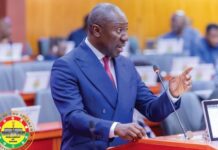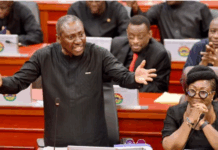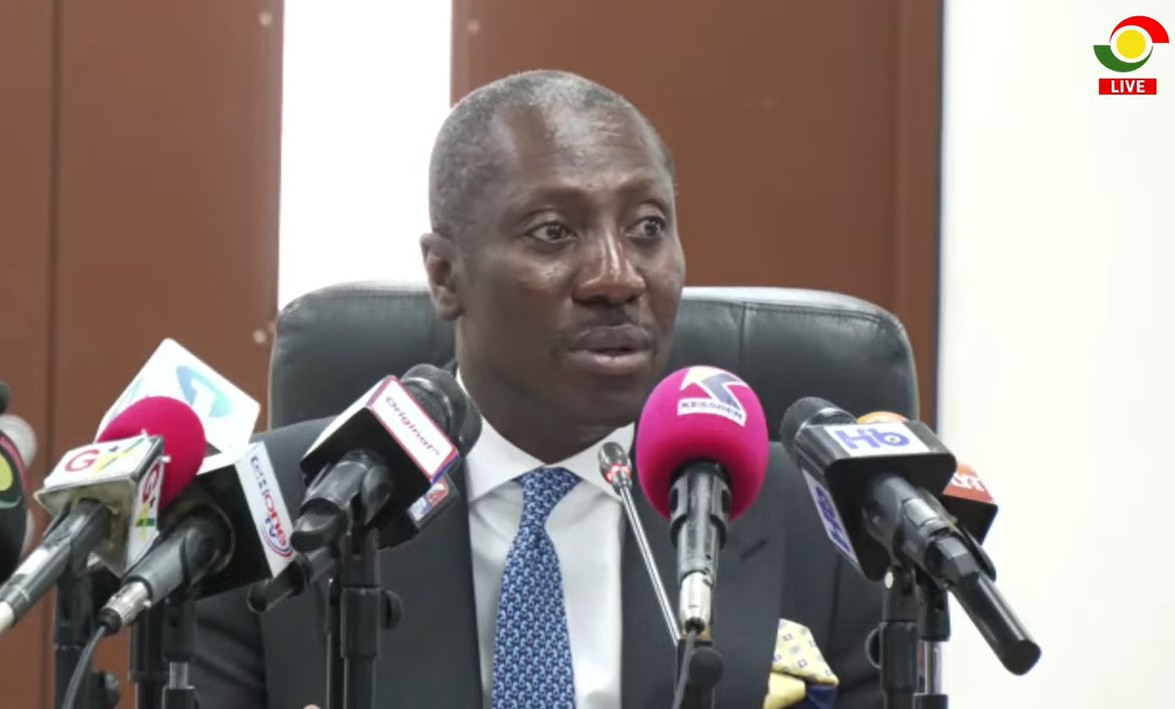

Minority Leader, Alexander Afenyo-Markin has said government has achieved nothing after one year in office.
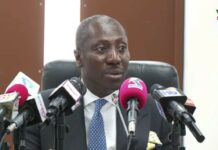
Speaking at a press conference in Parliament upon the House’s resumption from recess on February 3, 2026, the Minority Caucus said government has failed to introduce any clear social intervention programme since taking over power.
“We also believe that Government’s approach to social intervention and taxation has been that incoherent. You may recall that at the end of 2025, certain programmes were struggling and while the NDC has condemned our government style, they themselves one year in office, we have not seen any major shift in terms of governance,” he stated.
The Minority Caucus maintained that there has not been any investment in agricultural sector and other sectors, with no comprehensive and clear guidelines for government’s flagship 24-hour economy policy.
“Apart from the GoldBod that they have established which is stabilizing the cedi because they are trying to centralize the purchase of gold, other sectors; agriculture there has not been any major investment. The 24-hour economy, we have not seen much in that area,” he added.
“We pray that we see a comprehensive economic policy that will lead to real-time jobs,” the Minority Leader urged government.
Several bills, ministerial statements on key national issues, and questions to Ministers are expected to be laid before the House as parliamentary business resumes. Lawmakers are expected to address a wide range of policy, governance, and development matters under the new session.
Among the key issues slated for consideration are matters relating to illegal mining, widely known as galamsey, which continues to pose significant environmental and socio-economic challenges across the country.
Parliament is also expected to take up discussions on the Human Sexual Rights and Family Values Bill—widely referred to as the Anti-LGBT Bill—a proposed legislation that has generated widespread public interest and controversy.
The bill is expected to trigger intense debate among Members of Parliament, reflecting divergent views within the House and across Ghanaian society.
The Second Session is expected to shape critical legislative outcomes and set the tone for governance priorities in the year ahead.