
The Ashanti Region has recorded 18,104 cancer cases with breast and cervical cancers surging by over 90% and 75% respectively in 2025, according to the Ghana Health Service.
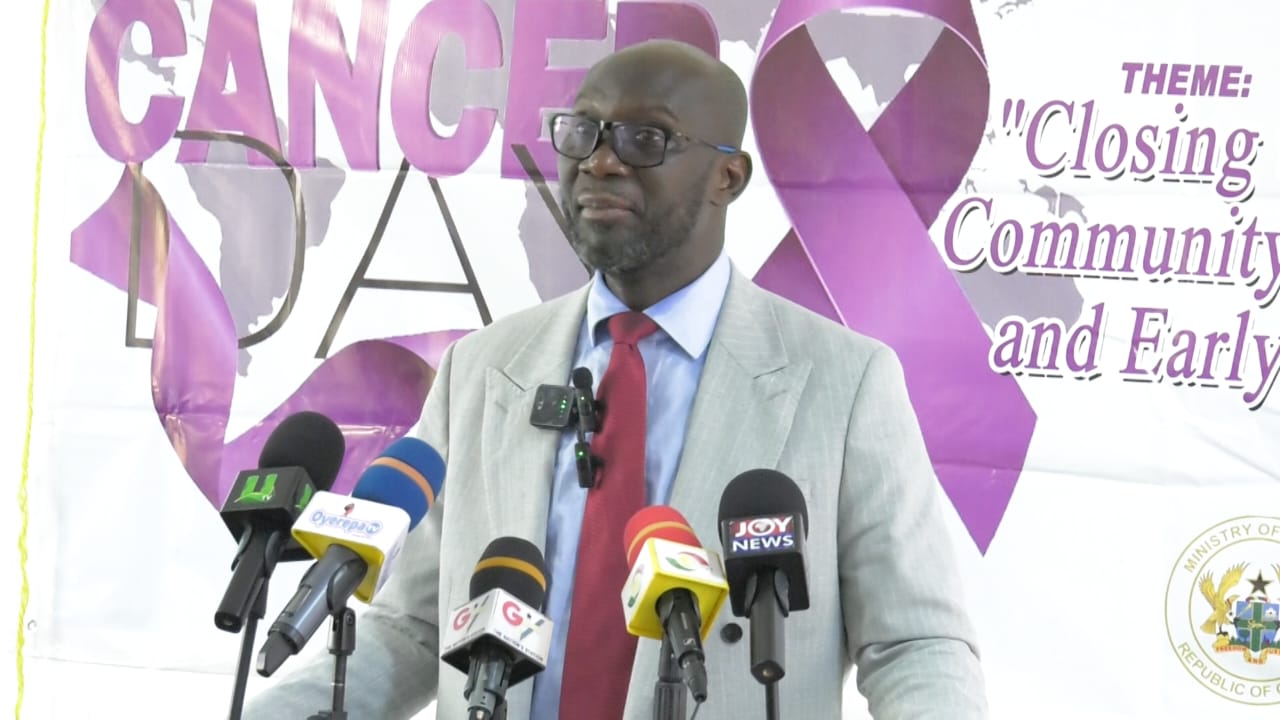
This alarming regional picture was revealed by the Ashanti Regional Director of Health Services, Dr Fred Adomako Boateng, at a media briefing to mark World Cancer Day, celebrated this year under the theme “Closing the Cancer Care Gap: Community Action for Prevention and Early Detection in Ghana.”
Dr Boateng said the theme reflects the urgent need to bridge gaps in awareness, access to screening, early diagnosis and treatment, particularly in low- and middle-income countries like Ghana, where nearly 70 percent of cancer deaths occur.
“Cancer is a growing public health challenge in Ghana. It contributes significantly to premature illness and death. Nationally, we record over 24,000 new cases and more than 15,000 deaths every year,” he stated.
Dr Boateng noted that cancer trends in the Ashanti Region have worsened in recent years. In 2024 alone, the region recorded 18,104 cases, representing a 33.6 percent increase over the previous year.
The Regional Director reminded the public that cancer is not limited to adults. Children are also diagnosed, with the most common types including leukaemia, brain and spinal cord tumours, lymphoma, retinoblastoma and bone cancers.
“Unlike adult cancers, childhood cancers are rarely caused by lifestyle or environmental factors. The good news is that many are highly curable if detected early,” he said.
He urged the public to seek medical attention early when they notice symptoms such as: painless lumps or swelling, unexplained weight loss, persistent fatigue, changes in bowel or bladder habits, unusual bleeding or discharge, chronic cough or hoarseness, and non-healing ulcers.
Dr Boateng explained that cancer is categorised from Stage 1 to Stage 4. While cancers detected in the first two stages are highly manageable, most patients in Ghana report late, when the disease has already spread.
“When people come at stages three and four, management becomes very difficult. This is why we must detect and treat cancers early,” he stressed.
He attributed late presentation to low public awareness and myths, financial barriers, limited access to screening at community level, and weak referral systems.
The region has, however, made progress in screening.
Dr Boateng said community education, cervical cancer month campaigns and increased breast cancer awareness have contributed to these gains.
He outlined key prevention measures including avoiding tobacco and limiting alcohol, eating a balanced diet, staying physically active, and getting vaccinated against HPV and Hepatitis B.
The Health Service, with partners, has also introduced a patient navigation system to link people screened in communities to district and teaching hospitals for early treatment.
Dr Boateng called on the media to help spread accurate information, reduce stigma and encourage healthy lifestyles and screening.
“Cancer can be complex, but collective action is simple; awareness, early detection, prevention and care. Together, we can close the cancer care gap,” he said.
By Ibrahim Abubakar