
The Institute of Economic Affairs (IEA) has disclosed in its latest survey that seven out of 10 Ghanaians are expressing worry over the increasing cost of food prices which is escalating the cost of living.
This highlights the persistent economic anxiety in the country despite the strong approval ratings for President John Dramani Mahama’s job performance.
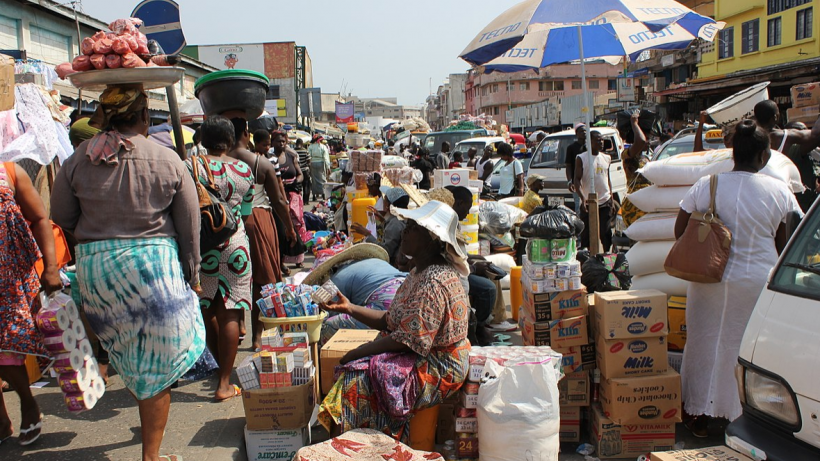
A Wednesday, February 11, 2026 statement issued by the IEA says 71 per cent of respondents said they are concerned about the price of food and other consumer goods.
The survey, which was conducted in December 2025, sampled over 1,000 people across all the 16 regions of Ghana.
Also ranking high among national concerns included unemployment and illegal mining, locally known as galamsey.
According to the report, 46 per cent of respondents cited unemployment as one of the most pressing issues facing the citizenry, with 30 per cent identifying illegal mining as their issues.
The Institute indicated that the survey was conducted to assess the public’s view on prevailing socioeconomic pressures, a year after the December 2024 elections, and to evaluate the perceptions of President Mahama’s job performance.
Although economic concerns remain widespread, the President continues to enjoy significant public support.
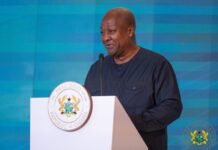
President John Dramani Mahama, from the survey, has the approval of 68 per cent of Ghanaians, with 22 per cent disapproving his performance, while 10 per cent say they have no opinion.
When Mahama assumed office in January 2025, there were high expectations from the public amid serious economic challenges, including high debt levels, inflation, a depreciating currency, unemployment, and concerns over the size of government.
Some key economic indicators, the IEA says, appear to be improving, but substantial socioeconomic difficulties persist.
Although the government has bettered the economic indices it inherited from the previous administration, such as a better exchange rate and drop in fuel prices, households are not feeling the impact because people have refused to reduce prices on the market to reflect the changes.
Inflation is down, but ginger is still 72% more expensive – 3news research