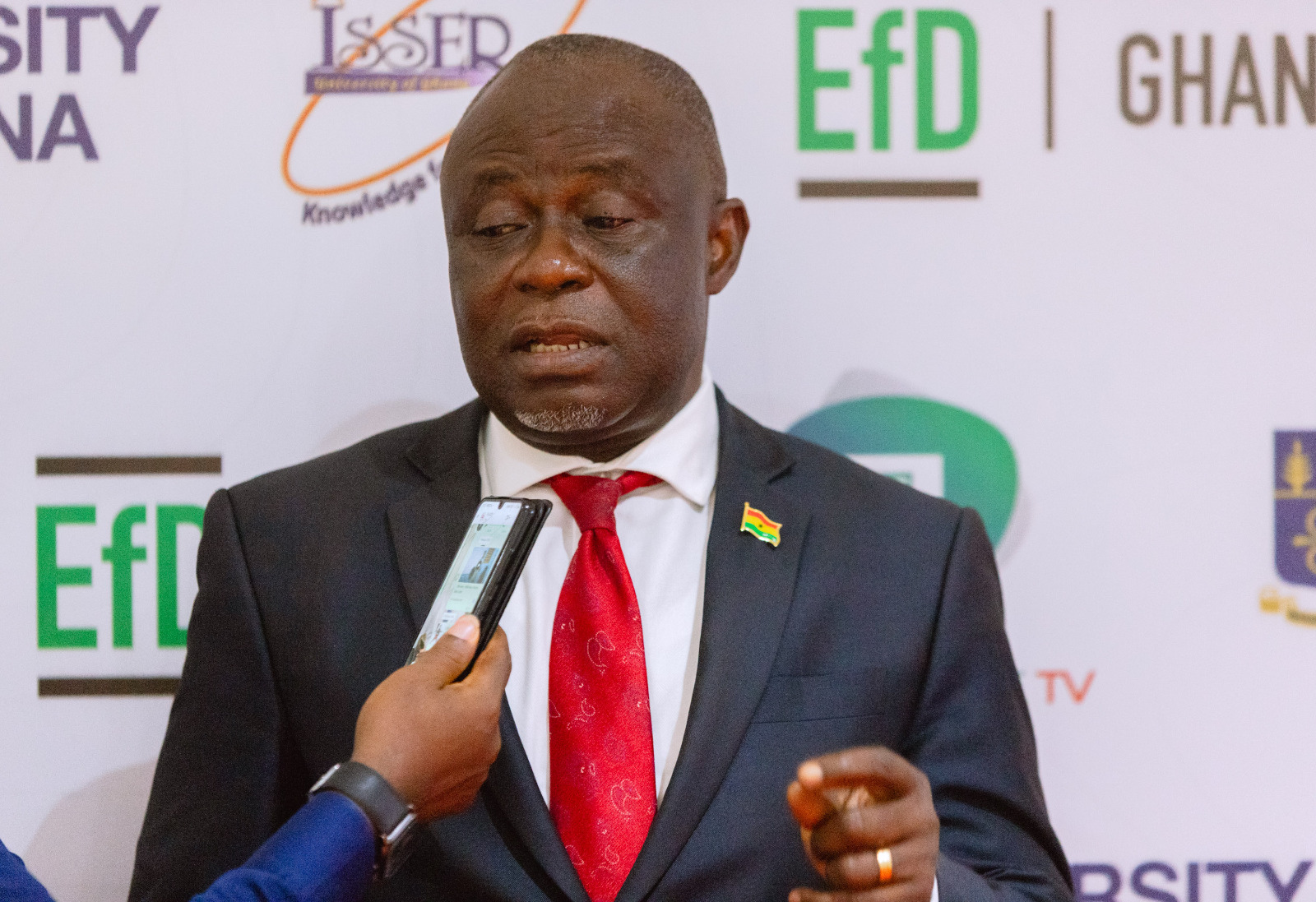

Chairman of Parliament’s Select Committee on Science, Environment and Technology, Yaw Frimpong Addo, is urging the government to hand over waste management in the country to the private sector.
He asserts the current decentralised model where waste management is being handled by the respective Metropolitan, Municipal and District Assemblies (MMDAs), is not the way to go.
According to the Committee Chair, the notion that the private sector makes money from the state in managing waste should be discarded to create an enabling environment for them to operate.
In an exclusive interview with OnuaOnline on the sidelines of the University of Ghana’s Institute of Statistical, Social and Economic Research’s (ISSER) forum on sanitation in Accra on Thursday, February 26, 2026, Mr. Frimpong Addo made a case for the private sector to be given the nod to manage waste in the country.
“We have to move away from this government control kind of thing and make sure the private sector takes over,” he was emphatic.
He explained that the notion of the private sector making supernormal profit from managing waste has been a major challenge facing the sector.
“When you create that environment that people are not envious of the private sector doing well…, that has been the bane of these countries. We tend to assume that, somebody is making money, but it’s a private sector person.”
Private sector participation across MMDAs, the MP noted, will spark competition and boost performance, helping the nation thrive in its waste management trajectory.
“I wish the private sector in all regions, districts would be encouraged to go into sanitation,” he added, raising concerns about how the pacesetters have been treated over the years, saying that could disincentivise others from investing in the sector.
“But how do we do that? Because already the trailblazers, what has become of them? So what will be the attraction for the next generation of private sector people to go? So we need to streamline this.
“Those who really want to go there must be motivated. And who does the motivation? It’s the government and once they are well motivated and they are doing the work, that will result in a lot of economic benefits for the whole country.”
Mr. Frimpong Addo further explained that the private participation will breed competition and efficiency. “You see other people also going there, then efficiency also comes in, because there will be competition,” he maintained.
The ISSER-led research offers policymakers a data-driven case for prioritising sanitation financing as a development catalyst, aligning national efforts with the Sustainable Development Goals and positioning Ghana as a leader in sustainable urban management.
The research puts a spotlight on waste investment opportunities rather than the crisis.
Presenting the report to stakeholders on Thursday, February 26, Prof. Peter Quartey of ISSER, stressed the need for the state to see waste management not as a burden, but as one of Ghana’s most promising economic investments.
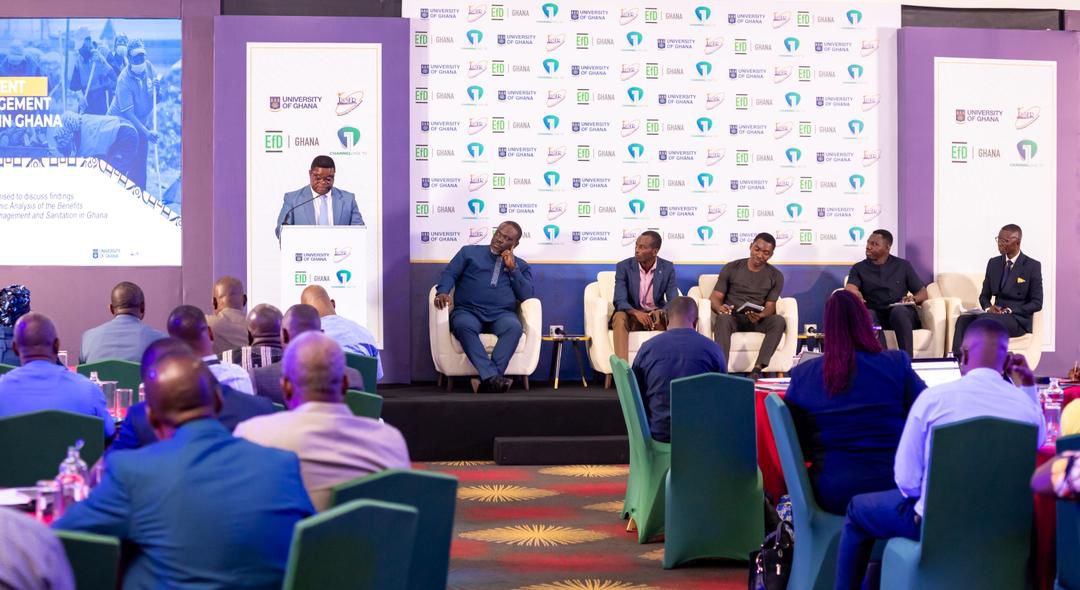
The study, titled “An Economic Analysis of the Benefits of Adequate Investment in Waste Management and Sanitation in Ghana”, presented a compelling evidence that strategic and sustained financing of sanitation systems can generate measurable economic returns, protect public health, and stimulate job creation.
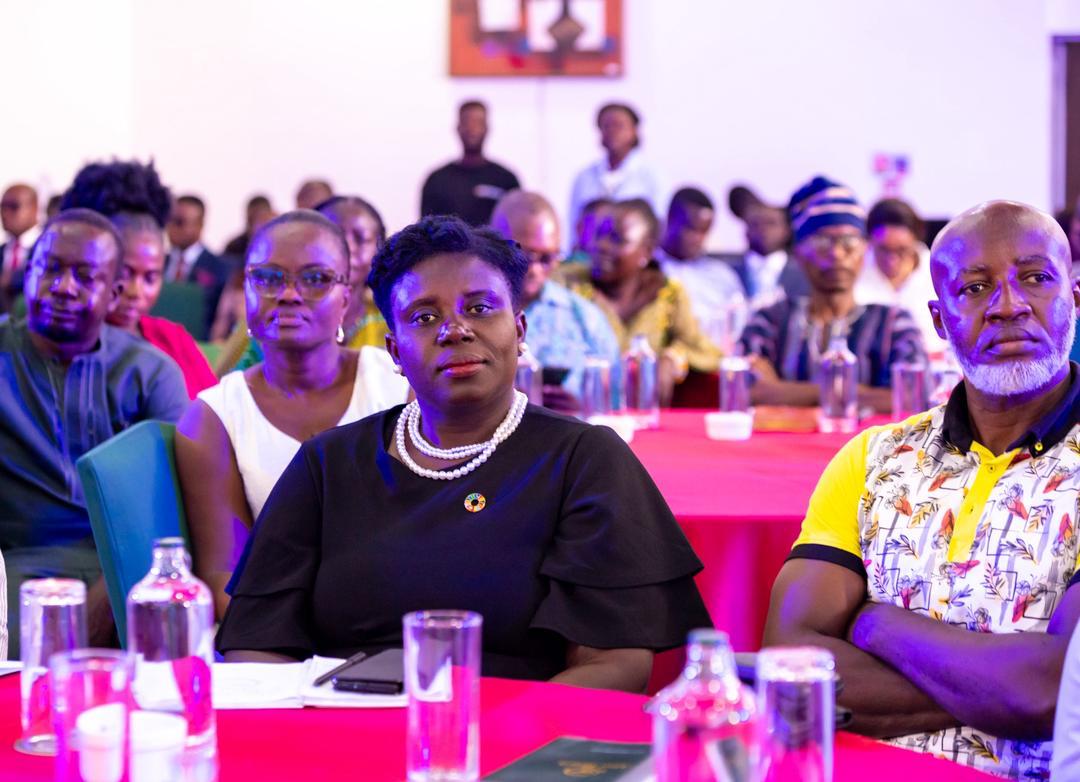
Rather than dwelling on overflowing landfills or strained municipal budgets, the study highlighted the gains Ghana stands to make, including reduced healthcare costs, improved workforce productivity, stronger environmental resilience, and enhanced urban livability.
It quantified how every cedi invested in structured waste collection, recycling infrastructure, and sanitation services can translate into long-term savings and economic growth.
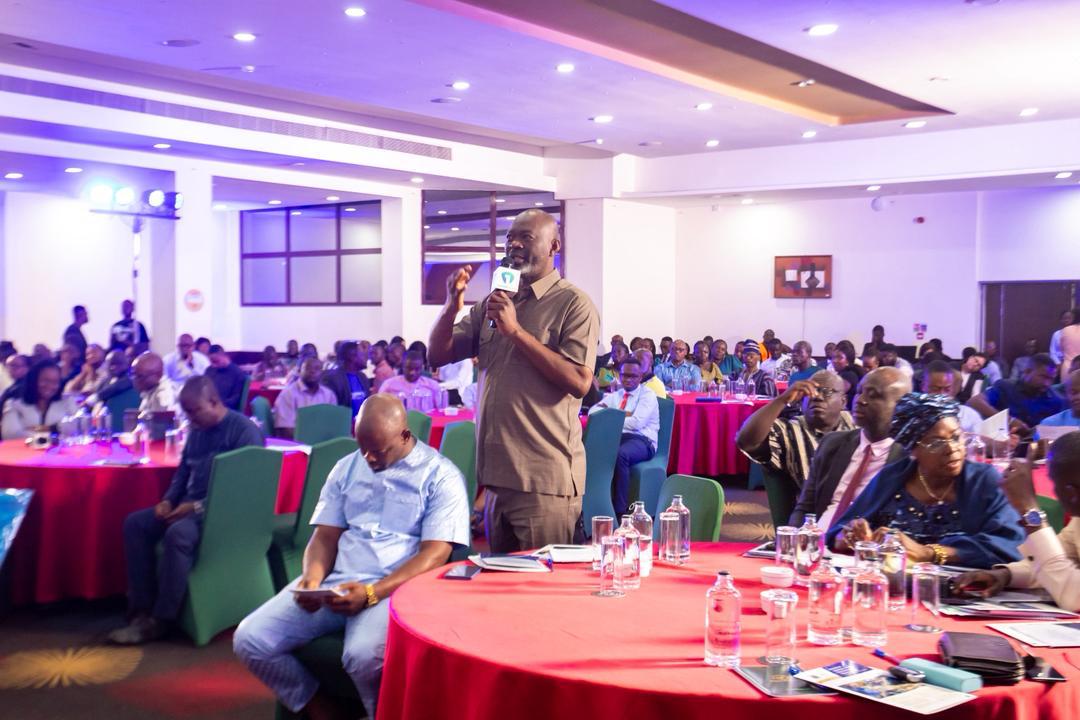
Following the presentation, a stakeholder dialogue highlighted on the need to move the conversation beyond managing waste to harnessing its economic potential, reinforcing the idea that sustainable sanitation is not merely a social obligation but a smart investment in Ghana’s future.
Mr. Frimpong Addo admonished the government to invest in waste management in order to harness the full benefits of the research.
“A lot of such researches have been done in the past. We are still going around the circle by not hitting the nail right on the head. Everything is about funding.”
Parliament’s Environment Committee chair calls for establishment of National Sanitation Authority