
For years, the shadow of conflict loomed over communities within the Bunkprugu-Nakpanduri, Yunyoo-Nasua and Chereponi districts in the North East Region.
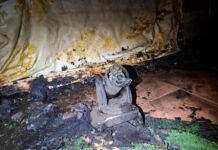
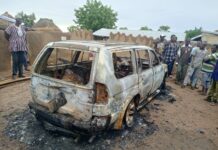
Disputes over chieftaincy and land ignited tensions, leading to cycles of violence that disrupted peaceful coexistence and hindered socio-economic progress. The toll was heavy, with over 30 lives lost and properties destroyed, leaving communities struggling to access basic necessities like healthcare and education.
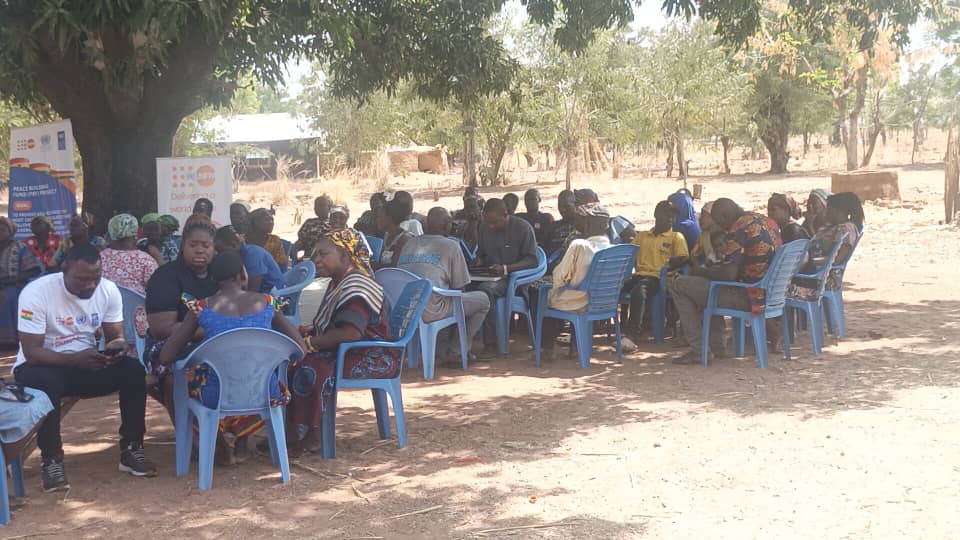
But now, a concerted effort is bearing fruit, paving the way for lasting peace and development. The Peacebuilding Fund (PBF) Project, spearheaded by the North East Regional Coordinating Council with support from the United Nations Population Fund (UNFPA), has laid a foundation for healing and resilience in the affected areas.
Specifically, the project has directly benefited nine communities: Bunkprugu, Nakpanduri and Mambabga in the Bunkpurugu-Nakpanduri district; Yunyoo-Gnaagu, Jimbale, and Gbingbani in the Yunyoo-Nasua district; and Gbalo, Wonjuga and Winchiki in the Chereponi district.

Sampson Nsasil, Focal Person for the Regional Coordinating Council, notes, “We are witnessing a significant shift. Through dialogue and collaboration, these communities are embracing peace, paving the way for a brighter future.
A key component of this project is the introduction of an Accountability Dashboard, PBFDash, which allows community members to provide feedback directly to service providers, enhancing transparency and responsiveness.
This transformation is evident in the voices of residents themselves. Lawyer, a resident of the Nunkprugu-Nakpanduri district shares, “For the first time in years, we can sleep without fear. The PBF project has brought us hope and a renewed sense of community. The PBFDash has also empowered us to hold our leaders accountable and ensure that our needs are being met. We are calling on investors to come and do business here, we are now leaving in peace.
Akos, another resident, adds, “We have suffered greatly, but now we are ready to rebuild our lives and work towards a better future for our children. Those in Kumasi, Accra, Takuradi and Tamale can now come and do business.”
However, behind the progress, individual stories of loss and hardship persist. A conflict victim from Nanik, in the Bunkprugu-Nakpanduri district, a physically challenged young man and farmer, recounts the devastation he has faced. “I have lost virtually everything to the conflict,” he says, his voice heavy with despair. “I have no shelter and no means to start a new life. I desperately need help.”

Similarly, Larry Monica, a mother of six, shares her struggle after losing her husband to the conflict. “I am left alone to care for my children,” she laments. “The burden keeps increasing and I don’t know how much longer I can cope. I need support to rebuild our lives and secure a future for my children.”
Clifford Ayaric, a champion for youth and women’s rights, emphasizes the project’s impact on marginalized groups. “This initiative has empowered women and youth to actively participate in peacebuilding and development processes, ensuring that their voices are heard and their needs are addressed. The PBFDash has also provided a platform for them to voice their concerns and advocate for their rights.”
For the first time they have involved a Fulbe or Fulani chief in their decision making and I was happy seeing that development, even women are now allowed to share their views during community meetings and that’s a great move.”
While the return to peace is a significant achievement, these personal stories serve as a stark reminder that challenges remain. Addressing the needs of victims like the young man from Nanik and Larry Monica is crucial to consolidate peace and prevent future conflicts.
By Solomon Kwame Kanaluwe