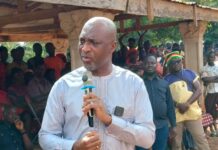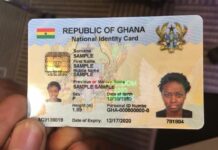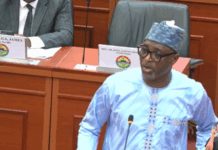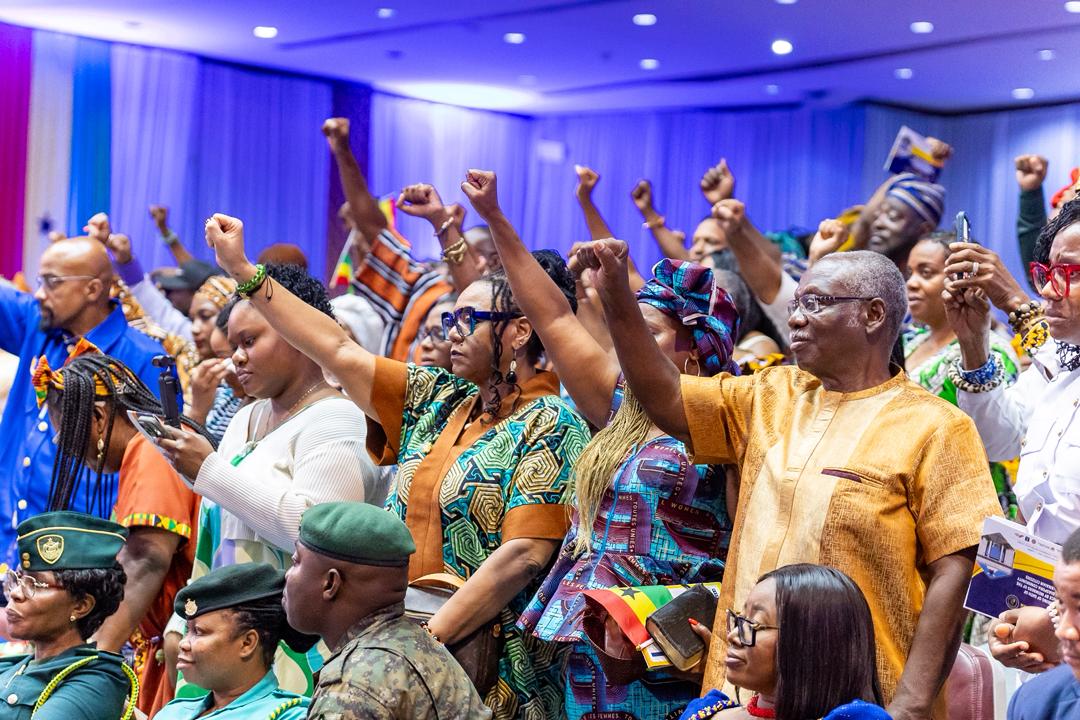

The Minister for the Interior, Muntaka Mohammed-Mubarak, has said his outfit and partner institutions, are designed to ensure that citizenship acquisition remains transparent, credible and consistent with the country’s laws.
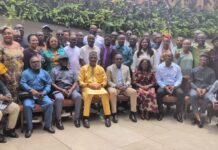
Speaking at the event where over 100 members of the African diaspora took the oath of allegiance to become citizens of Ghana, in Accra on Monday, March 9, 2026, the Minister described the occasion as the culmination of a legal and administrative process through which individuals with strong ties to Ghana formally become citizens of the Republic.
He said the conferment of citizenship reflects the government’s commitment, under the leadership of President John Dramani Mahama, to promote inclusive national development and deepen engagement with the diaspora.

“The conferment of citizenship grants our new citizens the rights and protections guaranteed under Ghanaian law while also entrusting them with the responsibilities that accompany citizenship,” he said.
Mohammed-Mubarak noted that the government considers the African diaspora as Ghana’s “seventeenth region,” highlighting its importance in national development and international engagement.

He said the knowledge, investments, innovation and cultural connections of diaspora communities represent valuable resources that can support Ghana’s continued growth.
The Interior Minister also highlighted the historical significance of the ceremony, acknowledging the legacy of the Transatlantic Slave Trade, during which millions of Africans were forcibly taken from their homeland.
By granting citizenship to members of the diaspora, he said ‘’Ghana is symbolically reaffirming that the descendants of those displaced centuries ago remain part of the country’s extended national family.’’

He described the conferment of citizenship not only as a legal act but also as a gesture of reconciliation, healing and restoration of ties that were disrupted by history.
The Minister further noted that Ghana has implemented several initiatives over the years to reconnect with the diaspora, including PANAFEST, the Joseph Project, the Year of Return, and the Beyond the Return.
He added that the government is now moving beyond symbolic engagement toward deeper and more structured partnerships through policies such as the Diaspora Birthright Certificate framework and pathways to citizenship.

Mohammed-Mubarak also pointed to growing international recognition of the injustices associated with slavery, noting that the African Union recognizes the diaspora as Africa’s “Sixth Region.”
He encouraged the newly sworn-in citizens to actively engage with Ghana’s institutions, communities and opportunities, emphasizing that citizenship represents both belonging and responsibility.
“Citizenship is not merely a legal status; it is an invitation to contribute to the growth, stability and prosperity of the Republic,” he said.
By Evelyn Tengmaa