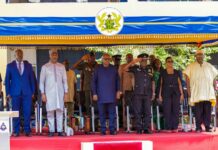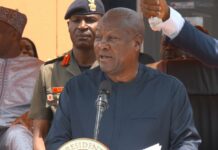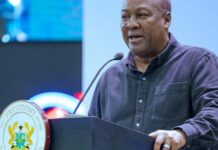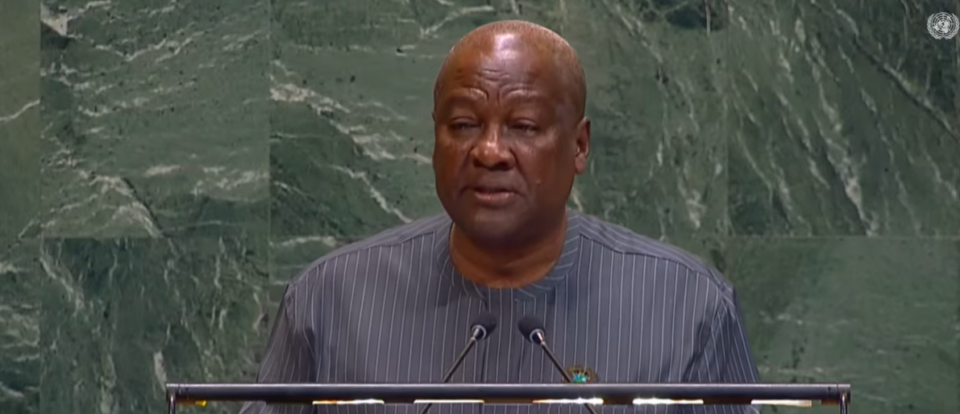

President John Dramani Mahama has called on the international community to support a landmark UN resolution declaring the transatlantic slave trade the gravest crime against humanity.
Addressing the plenary of the United Nations General Assembly to mark the International Day of Remembrance of the Victims of Slavery and the Transatlantic Slave Trade on Wednesday, March 25, President Mahama said the proposed resolution represents a collective effort to confront historical injustices and pursue reparatory justice.
He noted that Ghana had earlier pledged, during the Assembly’s 80th session last year, to lead the push for such a declaration, describing the draft resolution as the outcome of months of consultations among African nations, global partners, scholars, and legal experts.
“This draft resolution is the result of months of consultation and consensus-building by continental bodies, nations, experts, scholars, and jurists, with the sole aim of achieving a united front and grounding the final outcome in truth, compassion, and moral conscience, remembrance, education, and dialogue.
“Today, we come together in solemn solidarity to affirm truth and pursue a route to healing and reparative justice,” he stated.
President Mahama emphasised that adopting the resolution would serve as a safeguard against forgetting the sufferings of millions of Africans, while restoring dignity of Africans who suffered under slavery.
He urged member states to take a firm moral stance, stressing that neutrality in the face of injustice only perpetuates wrongdoing.
“We have travelled the long road, each step guided by a desire to be better, to do better; each step bringing us closer to the kind of world we would like to leave for our children.
“Let it be recorded that when history beckoned, we did what was right for the memory of the millions who suffered the indignity of slavery. Let our vote on this resolution restore their dignity and humanity, the President rallied leaders at the UN event.
Referencing quotes from former U.S. President Theodore Roosevelt and civil rights leader Martin Luther King Jr., he reminded the Assembly of the enduring moral duty to pursue justice.
The President concluded by calling on nations to “stand on the right side of history” by supporting the resolution, describing it as a critical step toward restoring the humanity and dignity of those affected by the transatlantic slave trade.