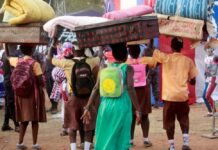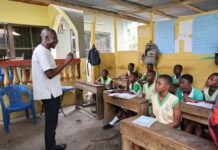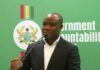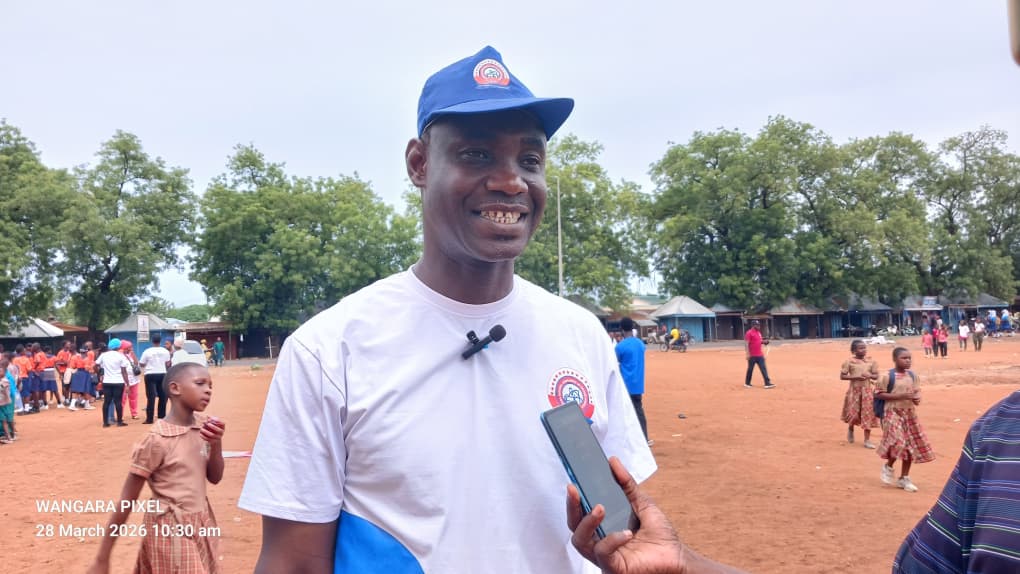

The Wa Municipal Chairperson of the Ghana National Association of Private Schools (GNAPS), Mumuni Sulemana, has raised concerns over what he describes as persistent harassment and intimidation of private schools by some state regulatory institutions.
Speaking at the climax of a week-long GNAPS celebration in Wa on Saturday, March 28, 2026, Sulemana said the actions of certain agencies are putting undue pressure on already struggling private school operators and could undermine their contribution to national development.
“It is worrying that some state institutions appear to see private schools as easy targets. Today it is EPA; another time, it is NACIA; another time, it is NPRA. The approach often involves threats and intimidation rather than engagement,” he lamented.
According to him, many private school proprietors are willing to comply with regulations but lack adequate orientation on new requirements, especially in regions where some regulatory bodies are newly established.
“We are not saying regulations should not be enforced,” he clarified. “But there must be proper sensitization and engagement. Ignorance of the law is not an excuse, yes, but institutions must first educate us and give us time to adjust.”
The outspoken chairperson warned that the continued clampdowns, including threats to shut down schools or revoke licenses, could collapse emerging institutions and worsen unemployment, particularly among young women who form a significant portion of the private school workforce.
He stressed that private schools remain critical partners in Ghana’s education sector, noting that the country has over 31,000 private schools employing more than 300,000 people and contributing to the national economy.
The association therefore called on President John Dramani Mahama to intervene and ensure that regulatory bodies adopt a more collaborative approach in dealing with private schools.
“What we expect under the government’s resetting agenda is collective growth, not intimidation. We need dialogue and support so that together we can build a stronger education system,” he appealed.
By Ibrahim Wangara