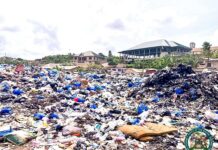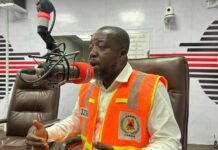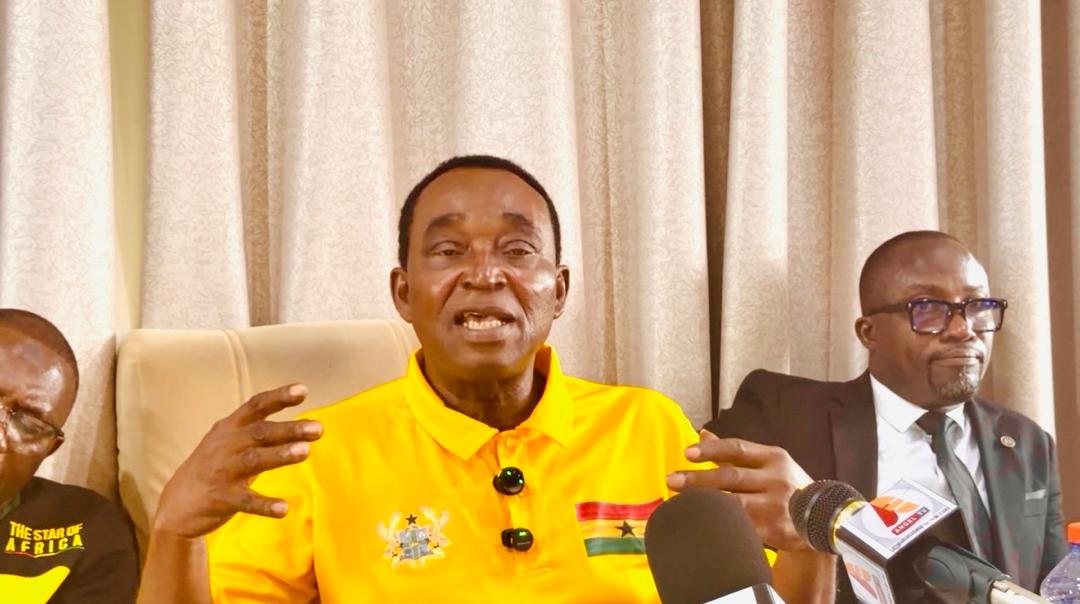

Sekondi-Takoradi Metropolitan Assembly (STMA) Mayor, Frederick Faidoo, has defended his administration’s handling of waste in the metropolis.
He rejected suggestions that he should take responsibility for the deteriorating sanitation conditions.
Rather, Mr. Faidoo pointed to a longstanding structural and financial challenges confronting waste management in the metropolis.
The mayor’s defense follows criticism from the Western Regional Minister Joseph Nelson and the Local Government Minister, Ahmed Ibrahim, both of whom have expressed strong concern over the growing poor sanitation situation in the metropolis.
Asked whether he accepted responsibility for the poor sanitation conditions and why it had taken interventions from the two ministers to draw attention to the situation, the mayor firmly rejected the assertion, mounting a robust defense of his administration’s record.
According to Mr. Faidoo, the Assembly inherited a waste management system that lacked the basic equipment needed to function effectively. For example, he revealed that the Assembly did not even have a single truck to lift waste from the metropolis.
The mayor explained that unlike other assemblies in the Western Region, STMA manages an engineered landfill site at Sofokrom, requiring substantial resources to operate.
“When I assumed office, the waste management situation in the assembly was nothing to write home about. The Assembly did not have even a single truck to lift waste from our metropolis. What they were doing was to rely on some partners and also to rent.”
He argued that the statutory allocation of 10 per cent of the District Assemblies Common Fund for sanitation is woefully insufficient because the Assembly must use part of the allocation to maintain the landfill facility in addition to collecting waste across the metropolis.
“Ten per cent of the Common Fund was allocated to sanitation just like in all other districts but what makes our situation different is that in addition to collecting all the waste from the metropolis, we also have an engineered landfill site that we manage at Sofokrom. And I tell you managing the landfill site is a very expensive venture…”
Mr. Faidoo also blamed challenges relating to contractual arrangements that predate his administration. He claimed that before he assumed office, the number of skip containers being serviced by waste management company Zoomlion had been reduced from 36 to 16 despite an increase in payments under a renewed contract.
According to him, the reduction left additional waste containers across the metropolis without adequate logistical support for evacuation.
The mayor said his administration had since acquired two waste collection trucks and increased the number of containers being serviced directly by the Assembly. He further disclosed plans to engage tricycle operators, popularly known as “aboboyaa” riders, in door-to-door waste collection services, particularly in communities inaccessible to larger refuse trucks.
He advocated source segregation of waste, arguing that separating plastics, paper and organic materials at the household level would reduce pressure on the landfill site while creating economic opportunities through recycling.
By Eric Yaw Adjei