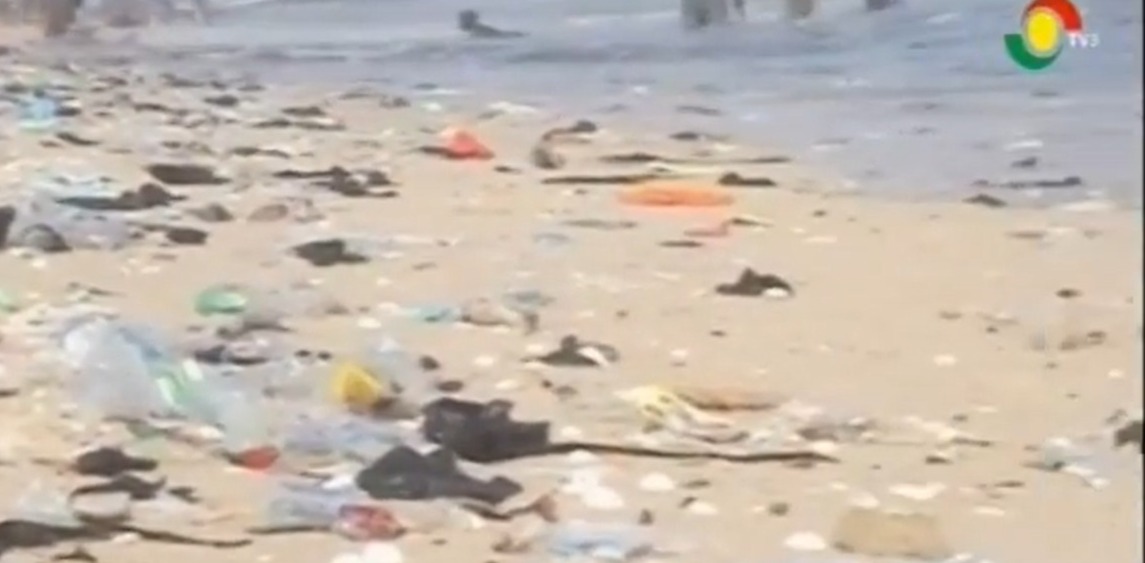

Garbage from floods and communities located near beaches across the country is causing businesses to collapse.
In addition, marine life is being killed by this garbage every day, an issue that urgently needs to be addressed.
These were the words of the Chief Executive Officer (CEO) of the Ghana Tourism Authority (GTA), Maame Efua Houadjeto, in an exclusive interview with Onua News.
To address the situation, the GTA has taken it upon itself to clean beaches across the country.
The cleaning exercise is in line with President John Dramani Mahama’s declaration of Friday, July 10, and Saturday, July 11, as National General Cleaning Days across the seven regions affected by the devastating June 29 floods.
The floods claimed about 34 lives and destroyed more than 7,000 households.
Maame Efua Houadjeto said the GTA would continue cleaning the beaches even after the President’s directive because Ghana is losing tourists due to the filth that has engulfed its beaches.
“Garbage is collapsing businesses at the beaches. They are losing business rapidly. Fishes are dying because of the garbage brought in by the floods. Now, only community members troop to the beaches, and they don’t bring in revenue,” the CEO explained.
She added, “Not only are we destroying them, but we are also losing revenue. We cannot allow our beaches to go to waste. When tourists come, they are unwilling to visit the beaches because of the filth.”
Mrs. Houadjeto said, “Our decision to clean the beaches is also intended to instill discipline in people, and we will arrest and punish offenders.”
“They even found cows washed away in the floods. We have open drains, so the situation is difficult. Elsewhere, beaches are a source of pride, but here in Ghana, people defecate there, and those managing the beaches cannot do it all by themselves.”
Support and collaboration
The GTA CEO called for support from corporate Ghana and individuals to help achieve the goal of keeping the country’s beaches clean.
“We want corporate Ghana to support us because it costs GH¢30,000 to clean a beach every week, and the operators are struggling. We don’t have any budget for this initiative, so we will depend on corporate Ghana.”
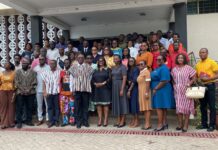
She said that after meeting with the management of beaches in Ada, Sakumono, Laboma, Labadi, Kokrobite, among others, she could sense that “they are in pain.”
Mrs. Houadjeto added, “We shall begin with beaches in Accra, after which our regional directors will also start cleaning beaches in their respective regions.”
By Timothy Antwi-Otoo