
The Komenda Edina Eguafo‑Abrem Municipal Office of the National Commission for Civic Education (NCCE) in the Central Region has observed African Anti‑Corruption Day by educating senior‑cycle students on anti-corruption.
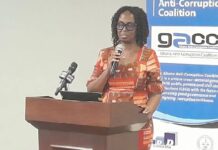
The event, organised in collaboration with the Ghana Anti‑Corruption Coalition (GACC), observed the day with students of the Komenda Secondary Technical School and Eguafo‑Abrem Secondary School.
The students were sensitised on values such as transparency, fairness, truthfulness, responsibility, and respect for the rule of law.
The sensitization exercise, sponsored by the William and Flora Hewlett Foundation, aimed to teach young people anti‑corruption values and encourage them to uphold integrity, transparency, and accountability in their daily lives.
African Anti‑Corruption Day is observed annually to commemorate the adoption of the African Union Convention on Preventing and Combating Corruption.
The theme was: “Scaling Up the Promotion of Integrity and Anti‑Corruption Actions in Africa.”
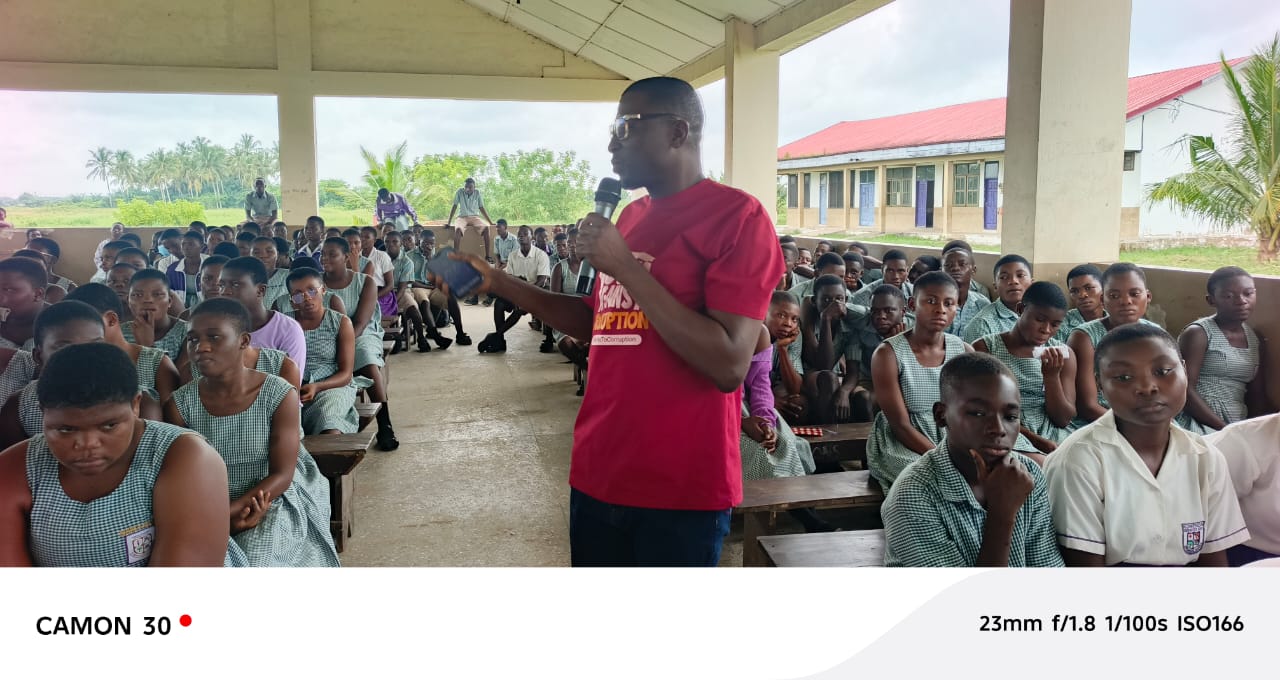
Mr. Daniel Abawana, Acting Municipal Director of the NCCE for Komenda Edina Eguafo‑Abrem (KEEA), addressed students at Komenda Secondary Technical School in an interactive session to assess their understanding of integrity, corruption, and related practices.
At the forum, some students described extortion as taking money illegally in exchange for favors, while others said a genuine person is someone who acts wholeheartedly for another without expecting a gift or money.
Mr. Abawana used these responses to further educate the students about corruption, bribery, fraud, nepotism, conflict of interest, embezzlement, favoritism, and dishonesty.
He added that, these practices affect development and lead to limited access to healthcare, poor‑quality education, inadequate road networks, increased poverty, and greater inequality- the rich get richer through corruption while the poor suffer more.
He also introduced the concept of whistleblowing, explaining that it involves informing people in authority or the public when an individual or organization is engaged in wrongdoing.
Whistleblowing helps protect public “resources and promotes fairness in society.”
He explained that the Ghana Anti‑Corruption Coalition is one of the institutions mandated to sensitize the general public against corruption, and that public engagement is a core part of the NCCE’s civic education mandate. That is why the two institutions collaborated to mark the day.
He noted that although African Anti‑Corruption Day is observed on 11 July, activities often extend over several weeks, especially in schools. This year’s celebration focused on students to shape their integrity for the future.
Mr. Abawana stressed that the sensitization deliberately targeted youth because they are future leaders and agents of change; by growing up knowing that corruption is wrong, they will learn to protect public resources responsibly.
Meanwhile, he further educated the students on Ghana’s legal framework for fighting corruption, particularly the Whistleblower Act, 2006 (Act 720), which protects whistleblowers from victimization by ensuring confidentiality for those who report corruption and related offences and provides rewards to eligible reporters.
Mr. Abawana called on students to adopt the 3Rs of corruption: resist, reject, and report.
They must also practice honesty, respect their schools, refuse bribery, choose what is right even when it is difficult, treat others fairly, and report corrupt practices to appropriate authorities, including school management, the police, CHRAJ, EOCO, traditional authorities, the district assembly, the OSP, MPs, and other investigative bodies.
Mr. Emmanuel Edu, a counselor at Komenda Secondary Technical School, commended the exercise and described corruption as a growing issue among youth.
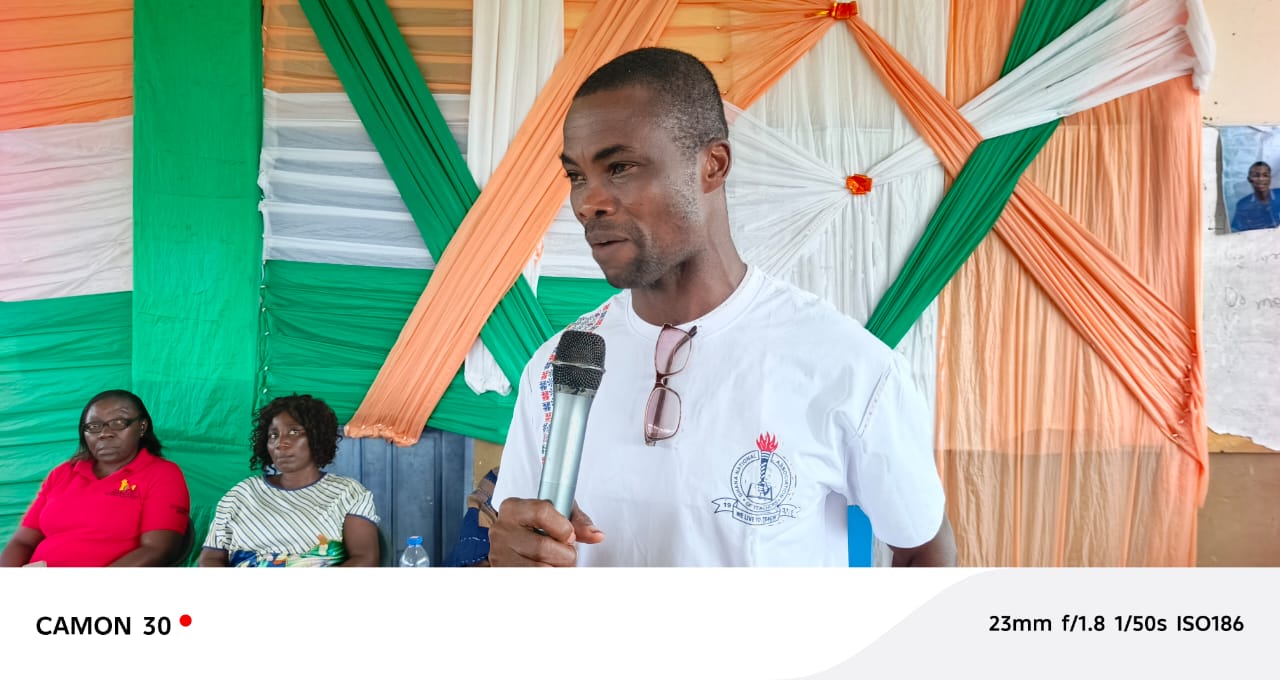
He said the initiative was important because students will one day occupy positions in society; early education on corruption and integrity will shape them and encourage reporting of such practices in the future.
He called on the Ghana Education Service to address challenges facing the schools, including extending the months students stay in school so the system can have a greater influence on them and better instill discipline.
Mr. Adu further called for similar sensitization exercises to be extended to all schools to help build a corruption‑free society.
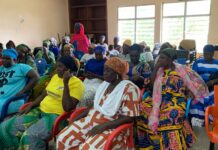
The sensitation exercise, held at the two senior high schools, were attended by students and teachers. On the first day, Wednesday, 15 July 2026, at Eguafo‑Abrem Secondary School, 530 students attended. On the second day, Thursday, 16 July 2026, at Komenda Secondary Technical School, 670 students attended.
By Timothy Gaison