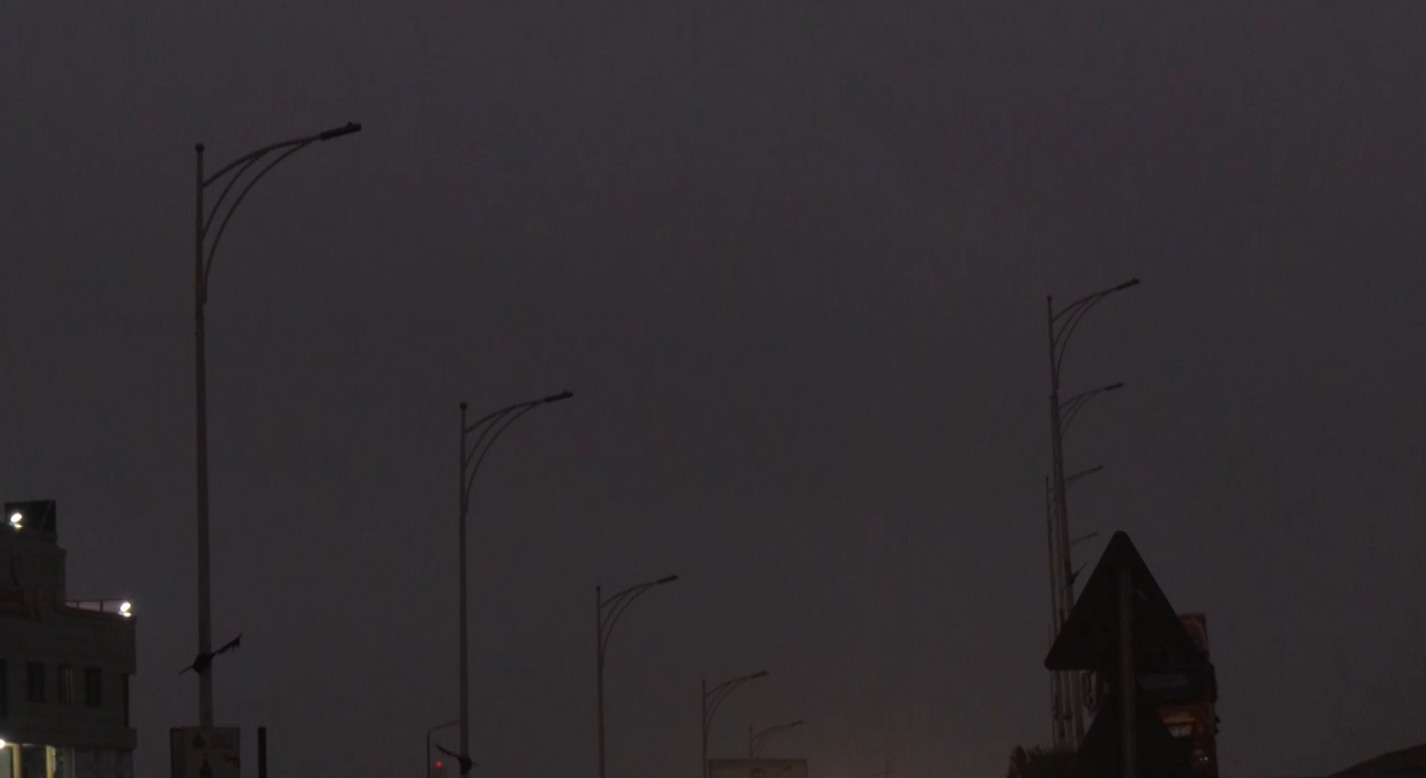

Motorists and road users who ply the 16-kilometer Achimota-Pokuase road continue to topple in poor visibility, navigating fear each day due to non-functioning streetlights on the stretch.
It has become undoubtedly difficult to safely journey from one point to another on a highway that should have been fixed with modern road infrastructure.
Rather, motorists and pedestrians grapple with anxiety and uncertainty on the N6 highway that crosses major municipalities and connects Greater Accra to the Ashanti Region, with a portion linking to the Eastern Region.
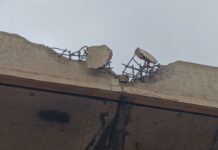
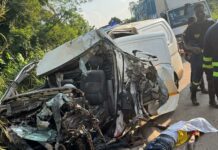
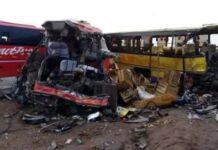
On Thursday, August 13, 2026, a multiple-vehicle accident at Ofankor Barrier caused a tragedy and reignited calls for enhanced visibility on the road after some eyewitness and security officials attributed the carnage partly to lack of streetlights.
A 3news drive on the stretch on Friday, August 14, 2026 painted a rather dangerous picture of how almost the entire highway is left in an ugly dark scene, leaving drivers with only their car lights to navigate their way.

From the Achimota Mall to St John’s Grammar, Tantra Hills, Taifa Junction, Ofankor Barrier, John Teye through to Pokuase Interchange (commissioned just about 4 years ago), there is no light.

What the laws say on streetlights
The Road Traffic Act, 2004 (Act 683) and the Road Traffic Regulations, 2012 (L.I. 2180) place emphasis on ensuring that hazards on roads are minimised, with authorities obligated to provide road infrastructure that does not expose users to avoidable danger.
Metropolitan, Municipal and District Assemblies (MMDAs) are mandated by the Local Governance Act, 2016 (Act 936) – at the national level, under the Energy Ministry, ECG, Department of Urban Roads, Highways Authority & others – to ensure the provision and maintenance of public infrastructure, including streetlights
Under Section 4 of the Street Lighting in Ghana Policy Framework (2011), MMDAs are to own, install and maintain streetlights, and establishes a framework for funding through a revised street lighting levy (collected as part of electricity bills).
Every month, citizens or customers of the Electricity Company of Ghana pay levies as part of their bills towards street lighting, but that component has been a failure.

It is the reason citizens continue to question the absence of streetlights across major cities in the country because basic illumination fails always.
The laws have established clear mandates from specific government bodies to act, yet little to nothing is done to keep the streetlights on – what is lacking is decisive action by the institutions involved.
What happens without functioning streetlights?
Dark roads pose serious risks and come with high cost to the state. Non-functioning streetlights compromise reaction time, obscure pedestrians and stationary vehicles and even give room to criminal activities.

Until Ghana’s roads are properly lit and an important stretch like the Achimota-Pokuase illuminated, road users will continue to topple in darkness and navigate not just potholes but fear itself.
By Christian Yalley