
The Public Utilities Regulatory Commission (PURC) is urging significant reinvestment in the Ghana National Gas Company to safeguard the stability of the country’s power sector.
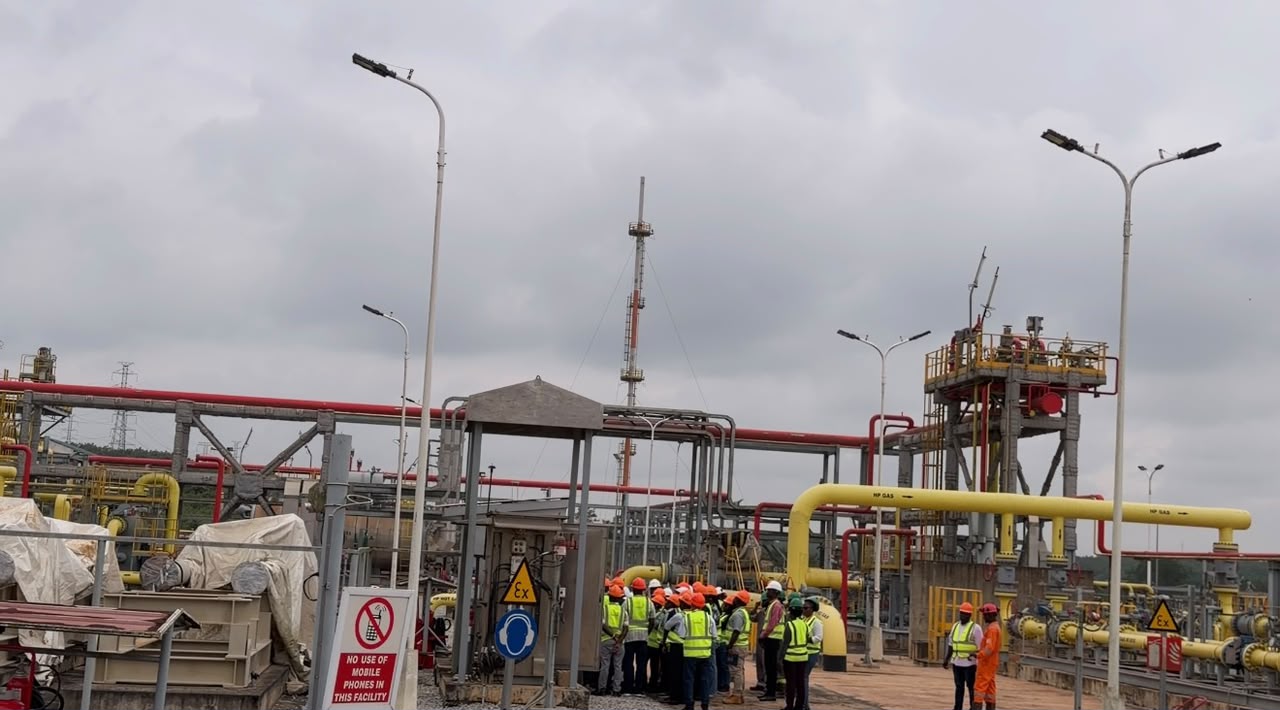
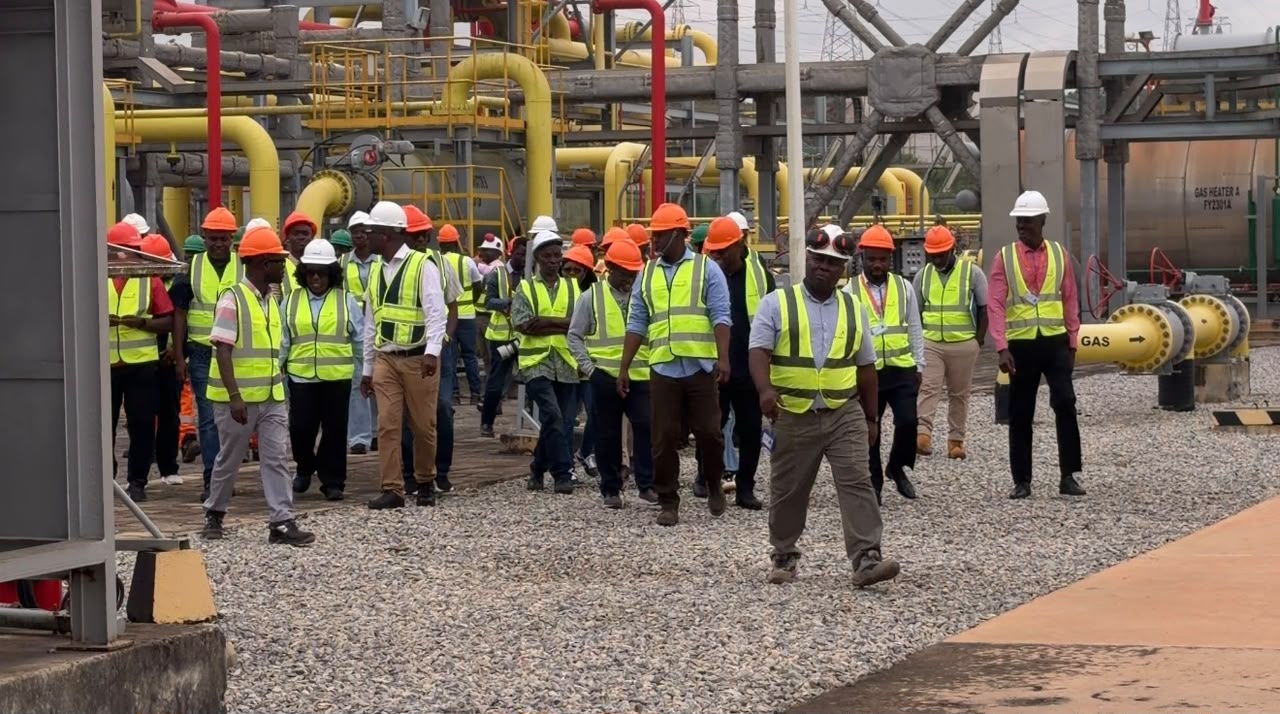
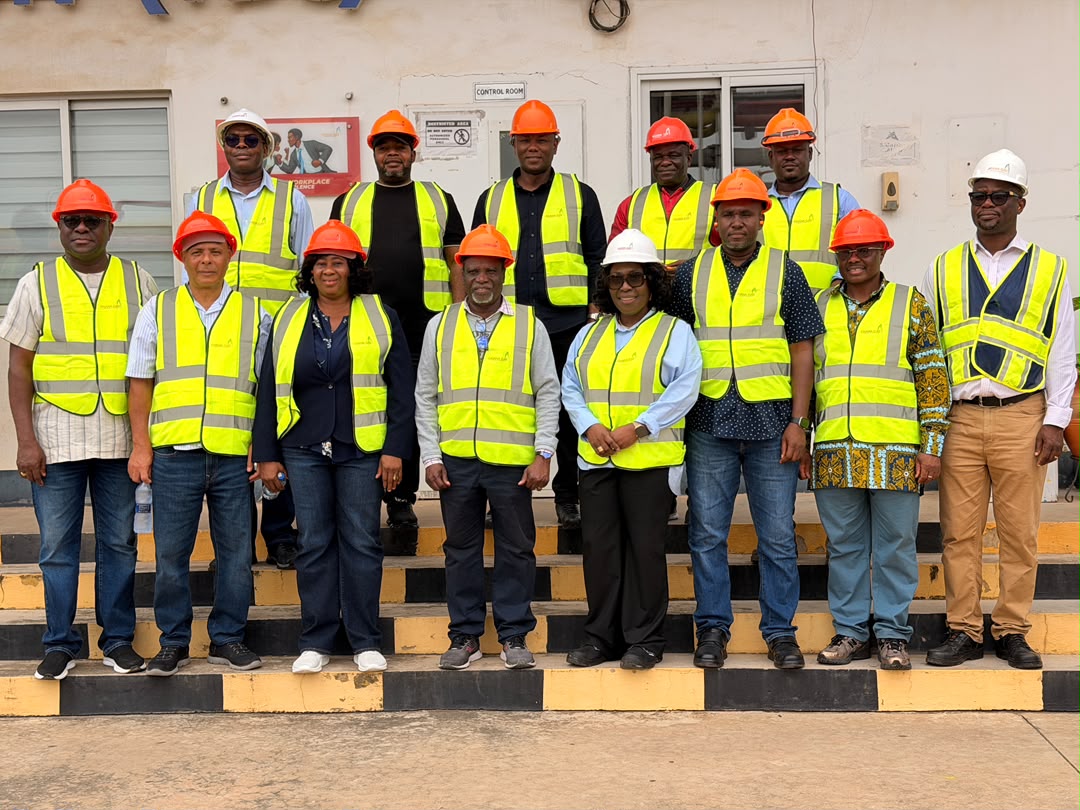
The call follows a high-level tour of the company’s operational facilities in the Western Region, where regulators conducted a first-hand assessment of the infrastructure required to sustain reliable gas supply.
The tour of the Takoradi Distribution Station at Aboadze went beyond a routine inspection, serving as a comprehensive evaluation of the financial and operational health of what regulators describe as a critical national asset.
With Ghana’s thermal power plants heavily dependent on gas for electricity generation, the PURC is intensifying its scrutiny of the company’s capacity to meet rising industrial and domestic demand.
PURC Executive Secretary, Dr. Shafic Suleman, emphasized that while higher-quality utility services come at a cost, sustained investment in Ghana Gas would yield long-term benefits by ultimately reducing the overall cost of power generation.
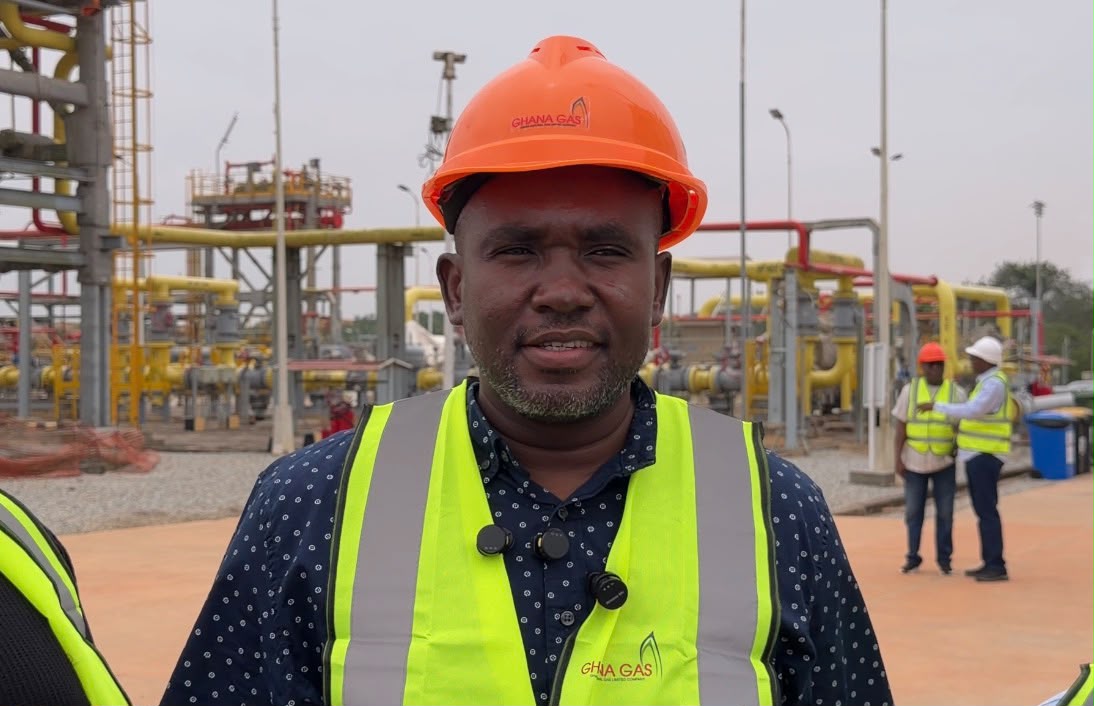
He also commended the company’s financial performance over the past 18 months, urging management to maintain that profitability while aggressively scaling up operations.
“For Ghana Gas, the next priority is reinvestment and expansion,” said Dr. Suleman. “We’ve seen the numbers over the past year and a half, and they are impressive. Now, we need to convert that success into infrastructure that guarantees stability.”
Responding to the regulator’s observations, Ghana Gas Chief Executive Officer Judith Adjobah Blay confirmed that Ghana Gas is already moving to reinvest its profits back into improving efficiency, reliability, and gas availability for both power generation and industrial use.
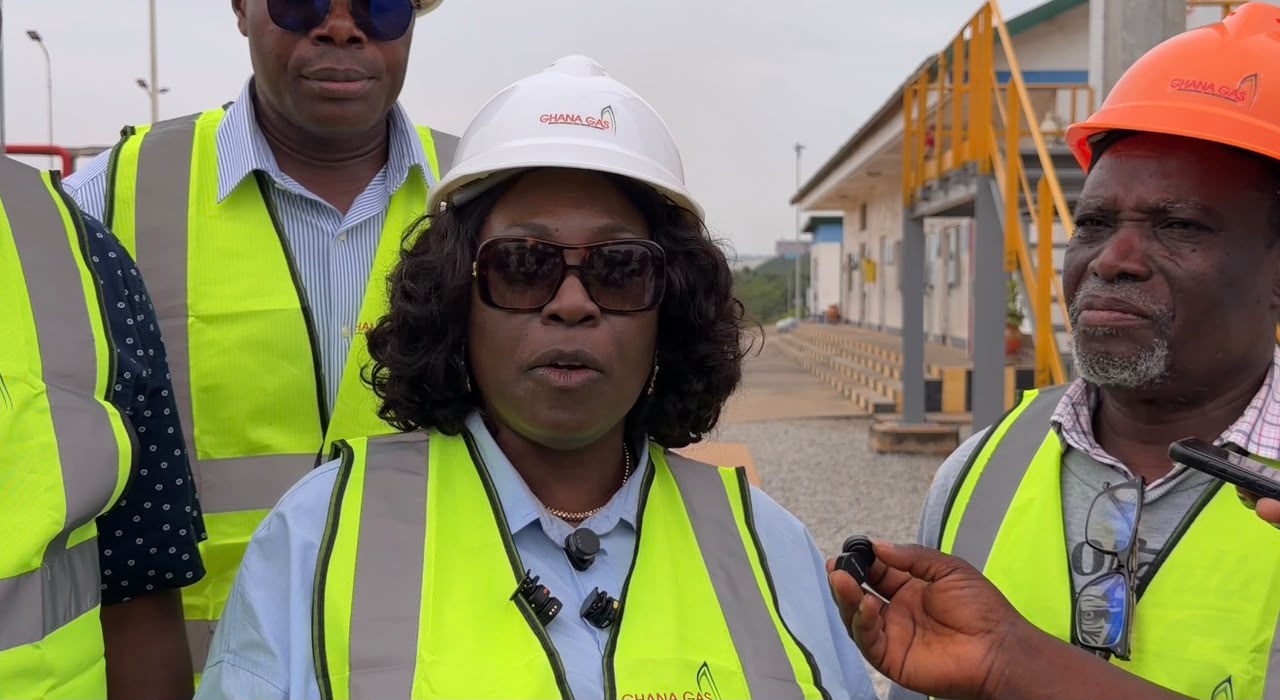
A flagship project on the horizon is the construction of a third compressor unit, which Ms. Blay says will provide critical operational redundancy for the entire system.
“We are close to commencing the construction of our third compressor,” Ms. Blay stated. “This will not just increase availability; it provides us with operational redundancy, ensuring that even during maintenance, the power plants receive the gas they need.”
The PURC tour comes at a pivotal moment, as Ghana Gas formally makes its case for increased investment and potential tariff adjustments.
The regulator is now tasked with carefully assessing the company’s operational requirements and long-term sustainability against the imperative to keep power affordable for Ghanaian consumers.
As the commission prepares for what is expected to be a critical tariff review process, the outcome will likely shape the trajectory of Ghana’s energy sector balancing the need for robust infrastructure investment with the economic realities facing households and businesses across the country.
By Ebenezer Atiemo