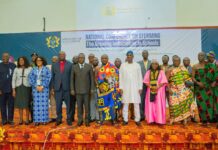

The National Council of Parent-Teacher Associations (NCPTA) is calling for stronger community involvement in tackling growing cases of indiscipline and declining moral standards among students in Ghanaian schools.
The Council says schools are increasingly dealing with challenges including bullying and cyberbullying, drug abuse, examination malpractice, gangsterism, assault and sexual misconduct.
According to the NCPTA, the burden of shaping children’s character cannot be placed solely on teachers.
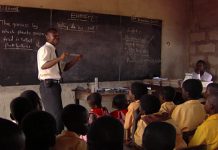
General Secretary of the NCPTA, Raphael Kofi Gapson argues that teachers cannot be expected to simultaneously serve as classroom instructors, counsellors, social workers, security officers, parents and moral guardians for hundreds of students.
“The village must return to the education of the child,” the NCPTA emphasized on August 27.
The Council says Ghana’s traditional system recognized that raising a child was a shared responsibility involving parents, traditional leaders, religious authorities and the wider community.
It is calling for parents, chiefs, queen mothers, pastors, imams and community leaders to play a more active role in discipline and character formation.
The Council believes the State must also provide the necessary policies, resources and institutional support to make this approach effective.
While calling for stronger discipline in schools, the NCPTA says it does not support a wholesale return to corporal punishment or indiscriminate caning.
The Council insists that schools need effective disciplinary tools that protect both authority and the dignity of students.
‘We want disciplined schools, but we do not want abusive schools,’ the Council stated.
It is calling for disciplinary measures to be firm, fair, proportionate, properly documented and respectful of the dignity of every child.
The NCPTA is also proposing stronger school disciplinary committees in all Junior High Schools and Senior High Schools, with clear procedures, parental involvement, proper documentation and opportunities for students to be heard.
BY ERICKA JUMAA KORANKYE