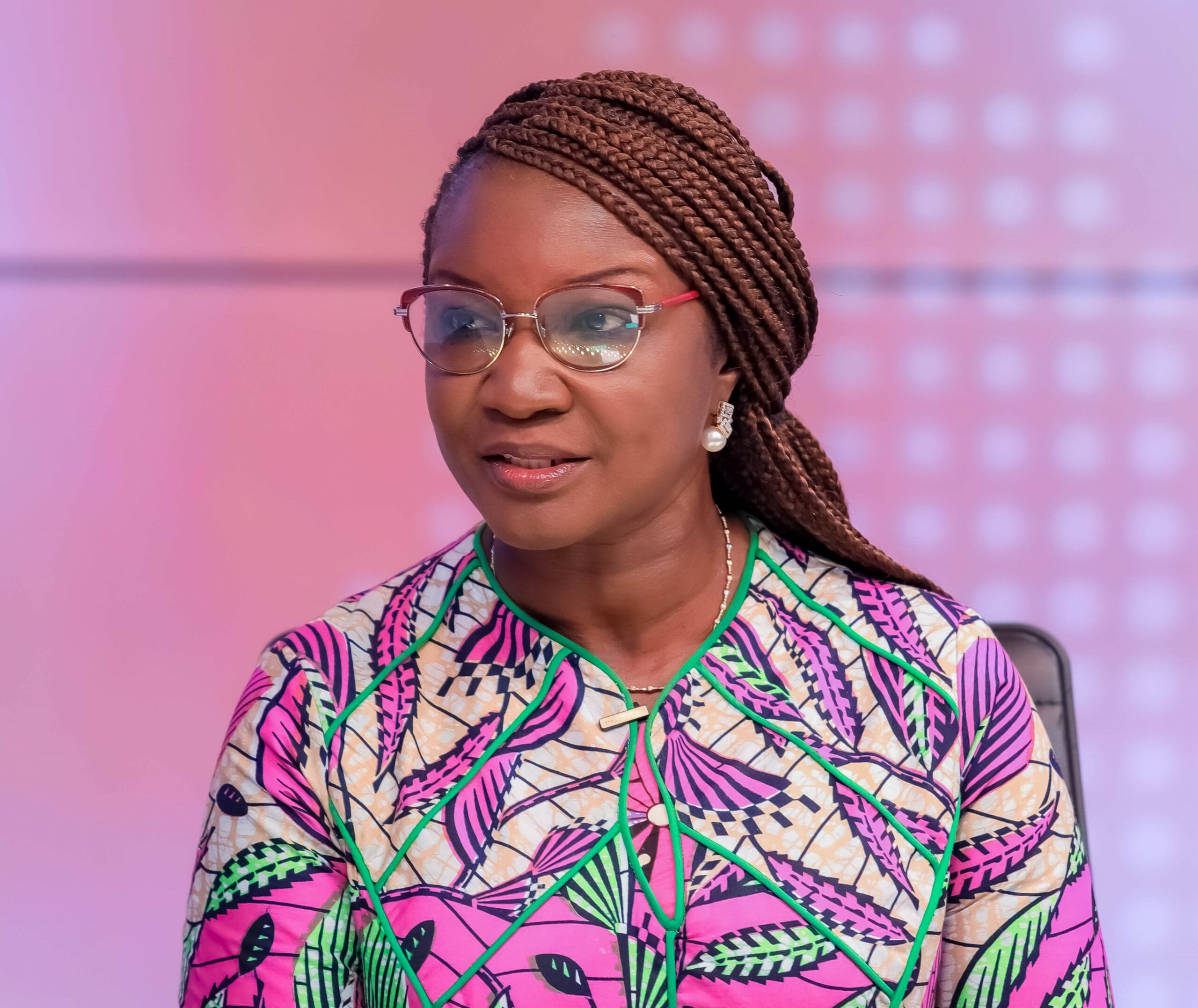

Presidential Advisor and Special Aide to President John Dramani Mahama, Joyce Bawah Mogtari, has challenged Ghanaian and African women to move beyond seeking representation and take an active role in shaping the institutions and decisions that determine the future of society.
Speaking at the Eve Women’s Forum in the United States, Mogtari said the story of the Ghanaian woman had evolved from one centred largely on overcoming barriers to one increasingly defined by leadership and influence.
“We are no longer merely surviving, we are leading. We are no longer just asking for a seat at the table, we are designing the architecture of the rooms where decisions are made,” she said.
Mogtari used Ghana’s political history to illustrate the progress women have made, noting that when the Fourth Republic began in 1992, only 16 women were in Parliament.
She said the progress made since then, should encourage women to pursue leadership positions across politics, business, law and other sectors rather than remain focused solely on gaining access to spaces traditionally dominated by men.
She also pointed to the election of Professor Naana Jane Opoku-Agyemang as Ghana’s first female Vice President as a significant milestone in the country’s history.
According to Mogtari, the Vice President’s journey from academia to becoming the first female Vice Chancellor of a public university, Education Minister and ultimately Vice President demonstrates what women can achieve through scholarship, character and leadership.
“When Vice President Opoku-Agyemang took her oath of office, she did not just break a glass ceiling, she shattered an age-old narrative,” Mogtari said.
She argued, however, that representation alone was not enough.
“Representation must lead to opportunity, opportunity must yield participation, and participation must deliver lasting, structural transformation for women and girls everywhere,” she said.
Mogtari further highlighted Ghana’s policy and legislative efforts aimed at increasing women’s participation in decision-making, including the National Gender Policy and the Affirmative Action (Gender Equity) Act, 2024.
But she said the next phase of the conversation must focus not only on political representation but also on women’s economic independence.
According to her, women must be supported to create, retain and transfer wealth across generations.
“The question is no longer simply: ‘How do we empower women?’ The question must now be: ‘How do we help women create, retain, and transfer wealth across generations?
By Lois Dogbe